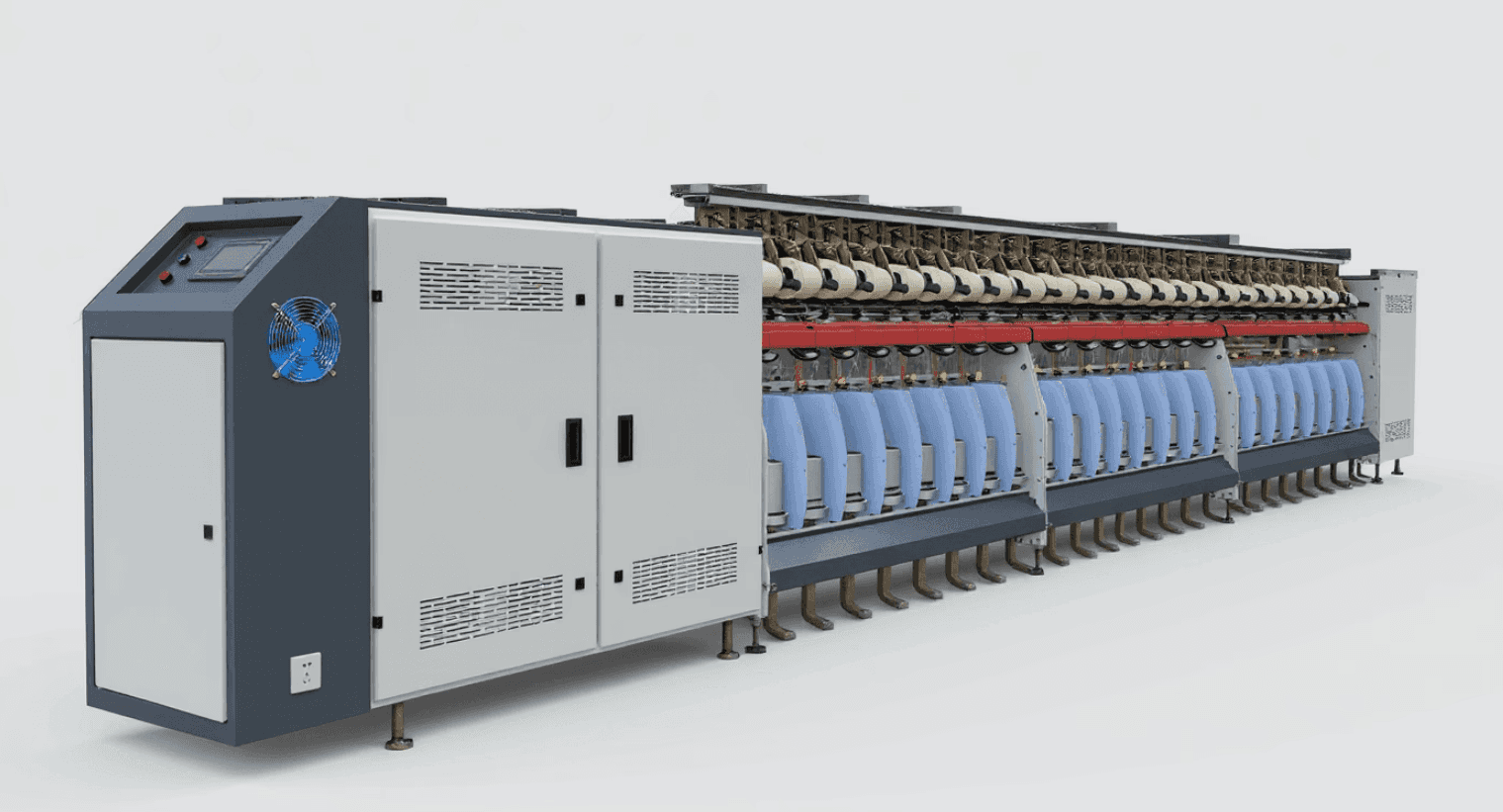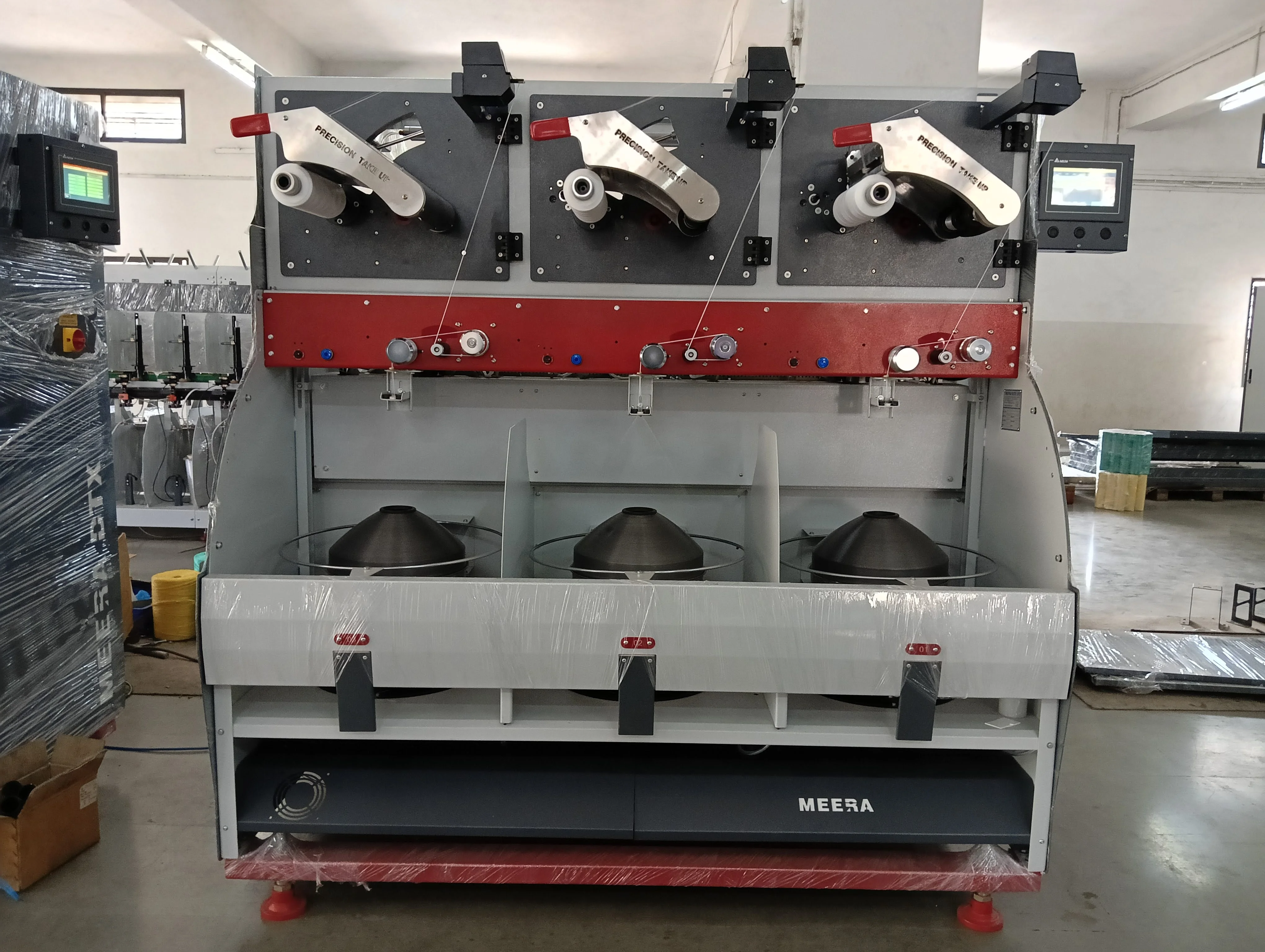
- Coating machines enhance yarns: These machines improve yarn durability and versatility, making them suitable for diverse applications.
- Kiss Roller Device precision: Ensures uniform coating application, crucial for maintaining high yarn quality and performance.
- Strategic machinery choice: Selecting the right machine depends on the desired yarn properties and specific industry needs.
- Versatility in coatings: Machines like the roller coater and double wing type offer adaptability with various coating materials.
- Competitive edge for manufacturers: Incorporating advanced machinery like Meera's enhances product quality and market competitiveness.
Introduction to Coating Machines for Yarns
In the textile industry, coating machines play a transformative role, particularly in the processing and enhancement of yarns. These machines are essential for applying various coatings to yarns, improving their durability, versatility, and overall quality. According to Textile World, the use of coating machines can significantly enhance the properties of yarns, making them suitable for a wider range of applications. This enhancement is crucial for manufacturers aiming to meet the ever-evolving demands of the textile market.
Importance of Coating Machines
The primary function of coating machines is to apply a uniform layer of coating material onto yarns. This process not only improves the yarn's resistance to wear and tear but also enhances its aesthetic and functional attributes. For manufacturers using Meera's advanced machinery, incorporating coating machines into their production lines can lead to a substantial improvement in product quality. This is particularly important in industries where yarn performance is critical, such as in high-end fashion or technical textiles.
Role in Yarn Processing
A key component of many coating machines is the kiss roller device, which is instrumental in ensuring a consistent and even application of the coating material. As discussed in a LinkedIn discussion on textile machinery, the kiss roller device allows for precise control over the coating process, which is vital for maintaining high standards of quality. This precision is essential for manufacturers who need to meet specific performance criteria for their yarns.
Choosing the right coating machine is a strategic decision that depends on the specific needs of the yarn being processed. As reported by Textile World, different machines offer various benefits, and the choice should align with the desired properties of the final product. For companies like Meera, which are based in the heart of India's textile industry in Surat, staying informed about these advancements is crucial to maintaining competitiveness in the global market.
Understanding the Kiss Roller Device
The Kiss Roller Device is a pivotal component in the realm of yarn coating, renowned for its precision and efficiency. This device is integral in ensuring that coatings are applied uniformly across yarn surfaces, enhancing their performance and durability. As the textile industry increasingly demands higher quality and more versatile yarns, the role of the Kiss Roller Device becomes ever more significant.
Operation of Kiss Roller Device
The operation of a Kiss Roller Device revolves around a simple yet effective mechanism. It employs a rotating roller, partially submerged in a coating solution, which transfers the coating onto the yarn as it passes over the roller. This method ensures a consistent layer of coating is applied, addressing a common industry challenge: achieving uniform coating thickness. As discussed in a LinkedIn thread on textile machinery, maintaining consistent coating thickness is crucial for ensuring yarn quality and performance.
The device's precision comes from its ability to control the speed of the roller and the pressure applied to the yarn. By adjusting these parameters, manufacturers can customize the coating thickness to meet specific requirements. This adaptability is particularly beneficial in industries where precise coating specifications are necessary, such as in the production of technical textiles.
Advantages in Yarn Coating
The Kiss Roller Device offers several advantages that make it a preferred choice for yarn coating. Firstly, it provides superior control over the coating process. As noted by Galan, a leading expert in textile machinery, the device's ability to deliver uniform coatings at high speeds is unmatched. This efficiency not only enhances productivity but also reduces waste, as less coating material is required to achieve the desired effect.
Moreover, the Kiss Roller Device is compatible with a wide range of coating materials, from traditional resins to innovative nano-coatings. This versatility allows manufacturers to explore new possibilities in yarn enhancement, aligning with recent innovations in yarn coating technologies reported by Textile World. Such advancements are setting new standards for yarn quality, enabling textiles to meet the evolving demands of various industries.
For manufacturers like Meera, which specialize in twisting machines, winding machines, and heat setting machinery, integrating a Kiss Roller Device into their operations can significantly boost their competitive edge. By leveraging this technology, Meera can offer yarns that not only meet but exceed industry standards for durability and performance.
In conclusion, the Kiss Roller Device is more than just a tool—it's a transformative technology in yarn coating. Its ability to deliver precise, efficient, and versatile coatings makes it an indispensable asset in the textile industry. As innovations continue to emerge, the Kiss Roller Device will undoubtedly play a crucial role in shaping the future of yarn enhancement.
Top Types of Coating Machines for Yarns
In the textile industry, the application of coatings to yarns is a critical process that enhances their functionality and quality. Coating machines, particularly the roller coater and the double wing type single roller coater, are instrumental in this process. These machines are designed to apply coatings consistently and efficiently, ensuring that the yarns meet the demanding standards of modern textile applications.
Roller Coater Machine
The roller coater machine is a staple in the yarn coating process, known for its simplicity and effectiveness. This machine operates by using a rotating roller that applies a thin, even layer of coating to the yarns as they pass through. The precision of this machine is one of its key advantages, allowing for uniform application that enhances the yarn's properties without compromising its integrity.
Advantages of Roller Coater Machines:
Uniform Coating Application: According to Galan, the roller coater machine ensures that the coating is applied evenly across the entire surface of the yarn. This uniformity is crucial for maintaining the quality and performance of the yarn.
Cost-Effective: The simplicity of the roller coater design means it requires less maintenance and is more cost-effective compared to more complex machinery. This makes it an attractive option for manufacturers looking to optimize their production costs.
Versatility: Roller coater machines can be used with a variety of coatings, making them versatile tools in the textile industry. This adaptability allows manufacturers to meet diverse market demands.
Disadvantages of Roller Coater Machines:
Limited to Certain Yarn Types: While versatile, roller coater machines are not ideal for all yarn types. They perform best with yarns that can withstand the mechanical process without damage.
Manual Adjustments Needed: As reported by the Kiss roll machine source, these machines often require manual adjustments to achieve optimal results, which can be time-consuming and require skilled operators.
Double Wing Type Single Roller Coater
The double wing type single roller coater represents an advancement in coating technology, offering enhanced control and efficiency. This machine uses a unique double-wing design that allows for more precise coating applications, particularly beneficial for high-performance yarns that require exact specifications.
Advantages of Double Wing Type Single Roller Coater:
Enhanced Precision: The double-wing design allows for greater control over the coating process, reducing waste and improving the quality of the final product. This precision is particularly valuable in applications where exact coating thickness is critical.
Increased Efficiency: According to industry experts, this machine type can handle higher throughput without sacrificing quality, making it ideal for large-scale production environments.
Adaptability to Advanced Coatings: With the textile industry's push towards more advanced and functional yarns, the double wing type single roller coater can accommodate a wider range of coating materials, including nanotechnology-based coatings.
Disadvantages of Double Wing Type Single Roller Coater:
Higher Initial Investment: These machines typically require a higher initial investment compared to traditional roller coaters. However, the return on investment can be significant due to their efficiency and precision.
Complex Operation: As noted by the Kiss roll machine source, the complexity of the double-wing system requires operators to have specialized training, which can increase operational costs.
Comparative Analysis
When comparing these two types of coating machines, it is essential to consider the specific needs of the production environment. The roller coater machine is ideal for manufacturers seeking a cost-effective solution with the flexibility to handle various coatings. In contrast, the double wing type single roller coater is suited for high-precision applications where quality cannot be compromised.
Table: Comparison of Roller Coater and Double Wing Type Single Roller Coater
| Feature | Roller Coater Machine | Double Wing Type Single Roller Coater |
|---|---|---|
| Precision | Moderate | High |
| Cost | Low to Moderate | High |
| Versatility | High | Moderate |
| Efficiency | Moderate | High |
| Ease of Use | High | Moderate |
| Maintenance | Low | Moderate to High |
Conclusion
Choosing the right coating machine depends on several factors, including the type of yarn, the desired coating, and the production scale. For manufacturers like those using Meera's winding and twisting machines, integrating the right coating technology can significantly enhance product quality and performance. As the textile industry continues to evolve, the demand for innovative coating solutions will only increase, making it essential for manufacturers to stay informed about the latest advancements and trends in coating technology.
How to Choose the Right Coating Machine
Selecting the right coating machine can significantly impact the efficiency and quality of your textile production. Whether you are looking to optimize your existing processes or invest in new technology, understanding the key factors and expert insights is crucial.
Factors to Consider
When choosing a coating machine, several factors should guide your decision:
Type of Coating and Material Compatibility: It's essential to match the machine with the specific type of coating and materials you plan to use. As reported by Textile World, different coatings, such as those for moisture resistance or enhanced durability, require specific machine capabilities. Ensure the machine you choose can handle the desired coatings effectively.
Production Volume and Speed: Consider your production requirements. If your operations demand high throughput, the machine's speed and capacity are critical. According to a LinkedIn discussion on textile machinery, investing in a machine that aligns with your production scale can prevent bottlenecks and improve overall efficiency.
Precision and Consistency: The precision of a coating machine affects the uniformity of the coating layer. Machines equipped with advanced technology, such as the Kiss Roller Device, are known for their precision and are ideal for applications where consistency is paramount.
Maintenance and Reliability: Evaluate the maintenance requirements and reliability of the machine. A machine with low maintenance needs and a reputation for durability can reduce downtime and operational costs.
Cost and Return on Investment: While initial cost is a consideration, assessing the long-term return on investment is more crucial. A more expensive machine might offer better efficiency and lower running costs, justifying the initial expenditure over time.
Expert Tips
Experts in the textile industry emphasize the importance of aligning machine choice with specific operational goals. As noted in the LinkedIn discussion, one expert suggests conducting a thorough analysis of your production needs and consulting with manufacturers to understand the latest technological advancements.
Moreover, experts recommend considering the machine's adaptability to future needs. "Investing in a versatile machine that can accommodate new materials or processes can save costs in the long run," one industry professional advises.
For manufacturers using Meera's advanced machinery, integrating a suitable coating machine can enhance the value of existing investments in twisting or winding machines. As trends evolve, staying informed about technological advancements and industry standards is key to maintaining a competitive edge.
In conclusion, choosing the right coating machine involves balancing immediate production needs with long-term strategic goals. By considering these factors and expert insights, you can make a well-informed decision that supports your business's growth and innovation.
How the Continuous In-Line Process Works
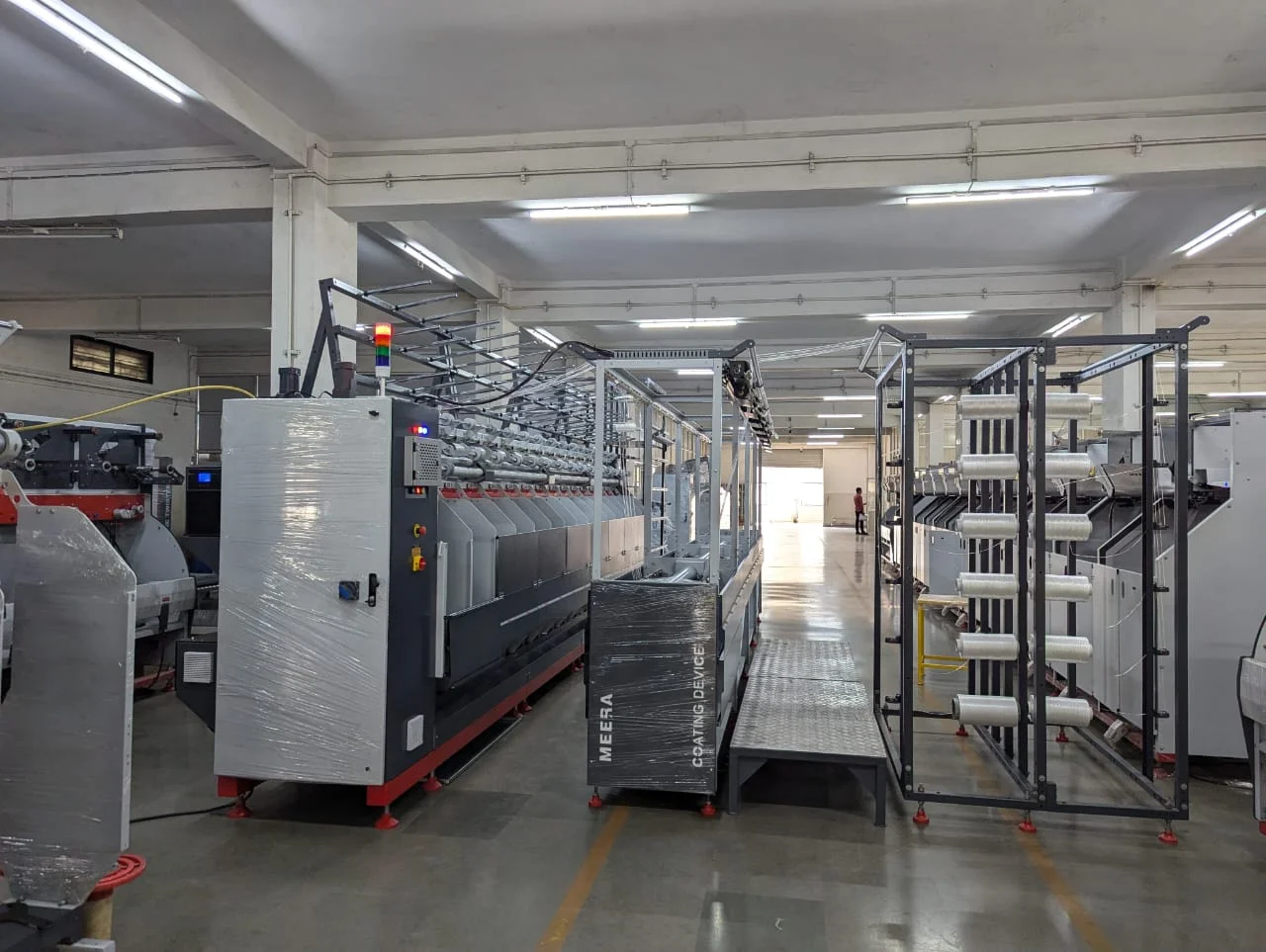
In the realm of textile manufacturing, the continuous in-line process represents a significant leap forward in efficiency and precision, particularly in the context of yarn coating. This method integrates various stages of production into a seamless flow, minimizing downtime and maximizing output. The Kiss Roller Device, a key component in this process, plays a pivotal role in ensuring that coatings are applied uniformly across yarn surfaces.
Process Overview
At the core of the continuous in-line process is the integration of the Kiss Roller Device, which is designed to apply a thin, even layer of coating to yarns as they pass through the machine. Unlike traditional methods that may require multiple steps and adjustments, the Kiss Roller Device allows for a single-pass application. According to the KISS-ROLL DEVICE - Galan, this device utilizes a precise roller mechanism that lightly "kisses" the yarn surface, ensuring an even distribution of coating material without excessive pressure or waste.
The process begins with yarns being fed into the coating machine, where they encounter the Kiss Roller. The roller is meticulously calibrated to maintain a consistent speed and pressure, accommodating different yarn types and coating materials. This adaptability is crucial for manufacturers like Meera, who seek to maintain high standards of quality across diverse textile applications.
Efficiency Benefits
The efficiency benefits of the continuous in-line process are profound. By streamlining the coating stage into a single, uninterrupted flow, manufacturers can significantly reduce production time and labor costs. As reported by Kiss roll machine sources, this method not only speeds up the coating process but also enhances the quality of the final product by reducing the likelihood of defects associated with multiple handling stages.
Moreover, the continuous in-line process minimizes material waste. The precise application by the Kiss Roller Device ensures that only the necessary amount of coating is used, aligning with sustainable manufacturing practices. This is increasingly important in today’s industry landscape, where sustainability is a key consideration for both manufacturers and consumers.
For companies like Meera, leveraging such advanced technologies means staying competitive in a market that demands both efficiency and quality. As textile manufacturers continue to seek ways to optimize their operations, the continuous in-line process, with its integration of the Kiss Roller Device, offers a compelling solution. This approach not only meets the immediate needs of production but also sets a foundation for future advancements in textile manufacturing.
The continuous in-line process exemplifies how innovation in machinery, such as Meera's offerings, can transform traditional textile manufacturing practices, paving the way for a more efficient and sustainable future.
Pricing & Cost of Coating Machines
Navigating the landscape of coating machine pricing can be complex, given the wide range of options and features available. According to IndiaMART, the cost of coating machines, including those equipped with Kiss Roller Devices, varies significantly based on specifications and capabilities. Basic models can start as low as INR 1 lakh, while more advanced machines can exceed INR 10 lakhs, particularly those designed for industrial-scale operations. This range reflects the diverse needs of textile manufacturers, from small-scale producers to large enterprises.
Market Pricing
The pricing of coating machines is influenced by several market factors. As reported by IndiaMART, the demand for high-efficiency machines has led to an increase in the availability of technologically advanced models. These machines often come with features such as automated controls and enhanced precision, which can drive up costs. However, for many manufacturers, the investment in a high-quality coating machine can lead to long-term savings through improved efficiency and reduced material waste. For companies like Meera, which focus on innovation in textile machinery, offering a range of options that cater to different budgetary requirements is essential.
Factors Affecting Cost
Several factors contribute to the cost of coating machines. First, the complexity and type of coating process the machine supports can significantly influence price. Machines that handle multiple coating types or those designed for specialized applications tend to be more expensive. Additionally, the inclusion of advanced features such as real-time monitoring and automated adjustment systems can add to the cost. The brand reputation and after-sales service also play a role; established brands like Meera, known for their reliability and support, may command higher prices, but they offer peace of mind with their products. As the market continues to evolve, staying informed about these factors can help manufacturers make cost-effective decisions when investing in coating technology.
Common Mistakes in Using Coating Machines
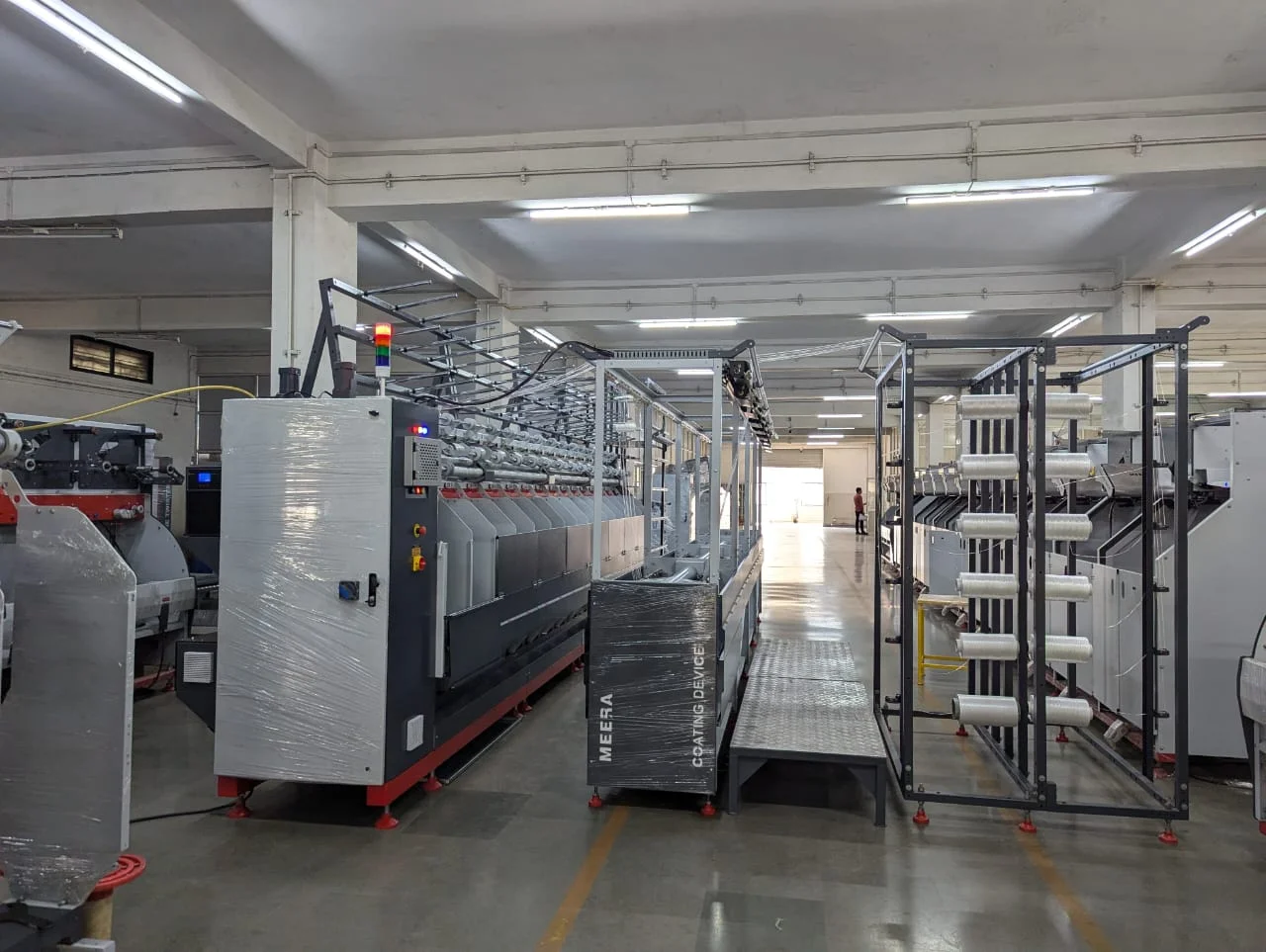
In the textile industry, coating machines, especially those featuring Kiss Roller Devices, are pivotal for achieving high-quality finishes. However, several common mistakes can hinder their effectiveness. According to a LinkedIn discussion on textile machinery, one frequent error is improper machine calibration. This often results in uneven coatings, which can compromise the quality of the final product. Calibration must be regularly checked to ensure the thickness and consistency of the coating are maintained.
Another widespread issue is neglecting regular maintenance. Coating machines are complex and require routine inspections and servicing to function optimally. Skipping these steps can lead to unexpected breakdowns and costly downtime. As one industry professional noted on LinkedIn, "Regular maintenance is not just a recommendation; it's a necessity for preventing larger issues."
Avoiding Mistakes
To avoid these pitfalls, it is crucial to establish a comprehensive maintenance schedule. This includes routine checks of the Kiss Roller Device, ensuring it operates without blockages or wear that could affect performance. Additionally, operators should be thoroughly trained in both the operation and troubleshooting of these machines to minimize user-induced errors.
Best Practices
Implementing best practices can significantly enhance the performance of coating machines. For example, using high-quality raw materials can prevent issues like clogging or uneven application, which are common when inferior materials are used. Furthermore, for manufacturers utilizing Meera’s advanced machines, leveraging their precision engineering can help reduce the likelihood of errors during production.
As the industry continues to evolve, staying informed about the latest technological advancements and incorporating them into operational practices is key. This not only improves efficiency but also ensures that companies remain competitive in the global market. Meera, based in Surat, Gujarat, remains at the forefront of providing cutting-edge solutions to meet these challenges head-on.
Conclusion: Choosing the Right Coating Machine for Your Needs
Selecting the right coating machine is a critical decision for any textile manufacturer, particularly when integrating advanced features like the Kiss Roller Device. As discussed, understanding the specific needs of your production process is paramount. From cost considerations to technical specifications, each factor plays a pivotal role in determining the most suitable machine. For instance, while basic models may suffice for smaller operations, industrial-scale manufacturers might require machines with more sophisticated capabilities, as noted by IndiaMART's pricing data.
Summary of Key Points
Throughout our exploration, we've highlighted the importance of proper machine calibration and the potential pitfalls in its absence, as discussed in LinkedIn forums. Furthermore, the versatility of coating machines, such as those offered by Meera, ensures that manufacturers can achieve high-quality finishes tailored to their requirements. By investing in the right equipment, businesses can enhance product quality, reduce waste, and ultimately improve their bottom line.
Future Trends
Looking ahead, future trends in textile coating machinery are increasingly focusing on sustainability and efficiency, as highlighted in a LinkedIn discussion on textile machinery. Innovations are steering towards eco-friendly processes that minimize environmental impact while maximizing production efficiency. This shift is not only a response to regulatory pressures but also a strategic move to meet consumer demand for sustainable products. For companies like Meera, staying attuned to these trends will be crucial in maintaining a competitive edge. As the industry evolves, those who adapt to these emerging technologies will likely lead the way in the textile sector.
In conclusion, choosing the right coating machine involves a careful balance of current needs and future trends, ensuring that investments made today align with tomorrow's demands.
What is a coating machine used for?
A coating machine is used to apply a uniform layer of coating material onto yarns, enhancing their durability, aesthetic, and functional properties. This process is essential for improving yarn performance in various textile applications.
How does a kiss roller device work?
The kiss roller device operates by using a rotating roller partially submerged in a coating solution. As the yarn passes over the roller, a consistent layer of coating is applied, ensuring uniform thickness and enhancing yarn quality.
What are the benefits of yarn coating?
Yarn coating improves resistance to wear and tear, enhances aesthetic appeal, and increases versatility. It allows yarns to meet specific performance criteria, making them suitable for high-end fashion and technical textiles.
How do you maintain a coating machine?
Regular maintenance of a coating machine involves cleaning the rollers, checking for wear and tear, and ensuring all components are functioning correctly. Proper maintenance ensures consistent performance and prolongs the machine's lifespan.
What are the different types of coating machines?
Common types of coating machines include the roller coater and the double wing type single roller coater. Each type offers unique benefits, such as precision and efficiency, catering to different yarn coating needs.
How do you choose the right coating machine for your needs?
Choosing the right coating machine involves assessing the specific properties required for the yarn, the type of coatings used, and the desired production efficiency. It's crucial to align the machine's capabilities with the end product's requirements.