Introduction
The textile industry is witnessing a significant shift with the rise of automated yarn winders, a trend that has seen a 15% increase in adoption throughout 2023. This change is largely driven by manufacturers' quest for enhanced efficiency, as reported by Textile World. For textile manufacturers, particularly those involved in high-volume production, understanding these advancements is crucial.
This article is tailored for textile industry professionals, machinery buyers, and stakeholders who seek to navigate the evolving landscape of yarn winding technology. You will learn about the latest advancements in yarn winder machines, how new textile policies are impacting the industry, and key factors to consider when investing in these machines.
The importance of this topic is underscored by recent policy changes. The Textile Machinery Industry Report 2023 from the Ministry of Textiles highlights how new policies are poised to boost local manufacturing, thereby affecting the demand for yarn winders. With India's textile machinery exports growing by 10%, there's a clear push towards innovation and efficiency.
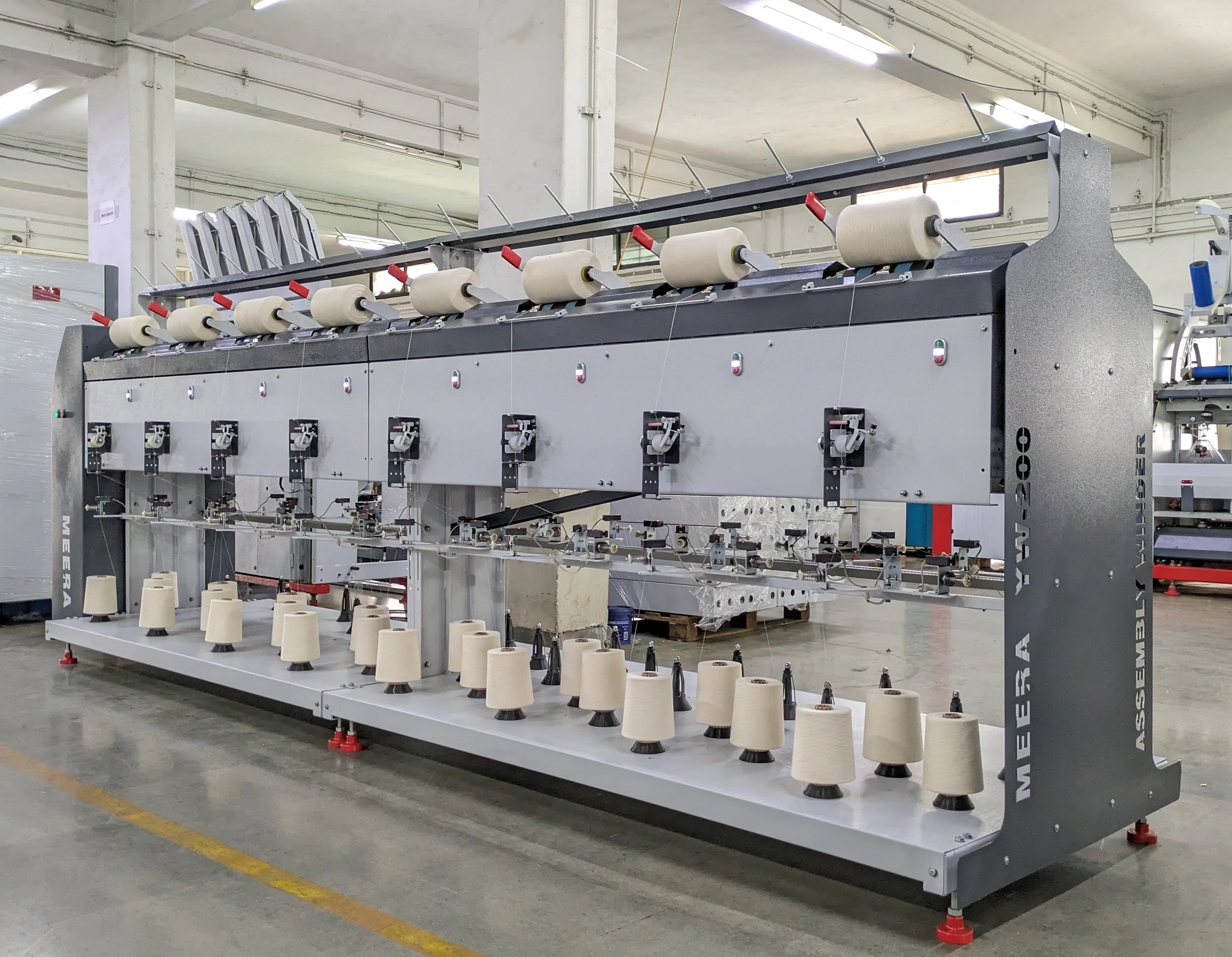
For companies like Meera, known for their twisting and winding machines, staying ahead of these trends is vital. Automated yarn winders not only increase production speed by 20% but also reduce setup time by 30%, making them an attractive investment.
As we delve deeper, we will explore why yarn winders matter more than ever and provide key takeaways to help you make informed decisions in this dynamic market.
What Is a Yarn Winder?
Definition: A yarn winder is a device or machine used to wind yarn into a neat and organized ball or skein, facilitating storage and usage in textile production. This tool is essential in the textile industry, enabling efficient handling and processing of yarn.
Definition and Purpose
The primary purpose of a yarn winder is to transform loose yarn into a structured form, making it easier to manage and use in various textile applications. Yarn winders come in various forms—from manual yarn winders, which require hand operation, to advanced automated yarn winder machines that enhance speed and precision. According to the Department of Textile Technology at IIT Delhi, automated yarn winders are increasingly preferred for their ability to boost production efficiency by up to 20%.
Historical Context
Historically, yarn winding was a manual task, often done at home or in small workshops. The advent of the Industrial Revolution saw the introduction of mechanical yarn winders, which began to replace manual methods. Over the years, technological advancements have significantly evolved yarn winding processes. As reported by The Hindu Business Line, recent trends indicate a 20% improvement in yarn winding efficiency due to technological innovations in 2023. This evolution underscores the industry's shift towards automation and efficiency.
Current Importance
In today's fast-paced textile industry, the role of yarn winders has become crucial. The global yarn winder market was valued at $1.5 billion in 2022, illustrating its significant impact. Automated yarn winders, like those produced by brands such as Meera, are pivotal in reducing labor costs and enhancing production speed. Data from Textile World shows that these machines can decrease setup time by 30%, making them indispensable for high-volume producers. Furthermore, the integration of AI in yarn winding, as projected by IIT Delhi, is set to redefine precision and speed by 2025, making them a strategic investment for textile manufacturers.
Understanding the functionality and advancements in yarn winders is essential for industry professionals looking to maintain a competitive edge in the market. As the textile industry continues to evolve, staying informed about these technologies will be key to leveraging their full potential.
Top Yarn Winders for Industrial Use
In the ever-evolving textile industry, choosing the right yarn winder is crucial for optimizing production efficiency and reducing costs. As reported by YarnCraft, automated yarn winders reduce setup time by 30% compared to their manual counterparts, illustrating their growing importance in industrial settings. This section delves into various types of yarn winders, providing a comprehensive comparison to aid industry professionals in making informed decisions.
1. Manual Yarn Winders
Manual yarn winders are traditional tools that require human intervention to operate. They are typically used in smaller production settings where precision and control are prioritized over speed. The main advantage of manual yarn winders is their cost-effectiveness and simplicity, making them accessible for smaller businesses or startups.
Pros:
- Cost-effective
- Simple to operate
- Ideal for small batches
Cons:
- Labor-intensive
- Slower production speed
When to Use: Ideal for artisan workshops or small-scale textile operations.
Practical Tip: Regular maintenance can prolong the life of manual winders and ensure consistent performance.
2. Automated Yarn Winders
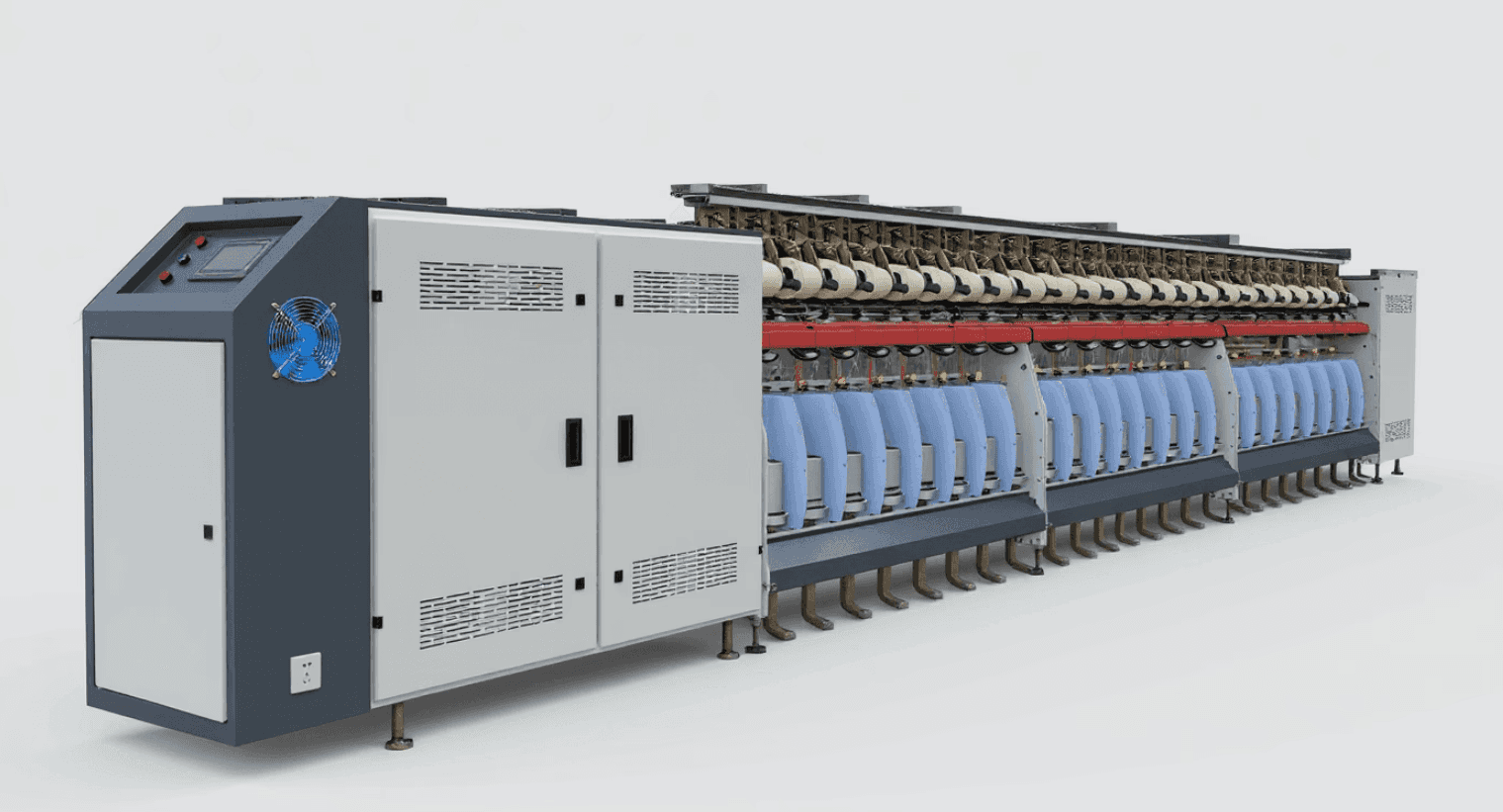
Automated yarn winders have revolutionized the textile industry by significantly increasing production speed and reducing manual labor. As highlighted by Rajiv Kumar, these machines can boost winding speed by 10% thanks to recent innovations.
Pros:
- High-speed operation
- Reduces labor costs
- Consistent output quality
Cons:
- Higher initial investment
- Requires technical expertise for maintenance
When to Use: Best suited for large-scale industrial operations aiming to maximize efficiency.
Practical Tip: Integrating automated winders with existing production lines can streamline workflows and enhance productivity.
3. AI-Integrated Yarn Winders
AI-integrated yarn winders represent the cutting edge of textile machinery, offering unparalleled precision and adaptability. These machines use artificial intelligence to optimize winding patterns and adjust parameters in real-time, ensuring optimal performance.
Pros:
- Adaptive technology
- Reduces waste
- Enhances quality control
Cons:
- High cost
- Requires specialist training
When to Use: Ideal for high-precision applications where quality is paramount.
Practical Tip: Investing in staff training can maximize the benefits of AI technology in yarn winding.
4. Eco-Friendly Yarn Winders
With sustainability becoming a key focus, eco-friendly yarn winders are gaining traction. These machines prioritize energy efficiency and minimize environmental impact, aligning with global sustainability goals.
Pros:
- Energy-efficient
- Reduces carbon footprint
- Supports sustainable practices
Cons:
- May have slower production speeds
- Can be costly
When to Use: Suitable for companies committed to sustainable manufacturing practices.
Practical Tip: Utilizing renewable energy sources can further enhance the eco-friendliness of these winders.
Comparison Table
| Type | Cost | Speed | Labor Requirement | Sustainability |
|---|---|---|---|---|
| Manual Yarn Winders | Low | Slow | High | Moderate |
| Automated Yarn Winders | Medium | Fast | Low | Moderate |
| AI-Integrated Yarn Winders | High | Fast | Low | High |
| Eco-Friendly Yarn Winders | Medium-High | Moderate | Moderate | High |
According to data from Textile World, automated yarn winders increased production speed by 20% in 2023, emphasizing the shift towards automation in the industry. As Meera continues to innovate in winding machinery, staying informed about these options is crucial for maintaining competitive advantage.
For textile manufacturers, understanding these distinctions not only aids in selecting the right machinery but also aligns with broader industry trends towards efficiency and sustainability.
How to Choose the Right Yarn Winder
In the textile industry, selecting the right yarn winder is crucial for optimizing yarn winding processes, which can significantly enhance production efficiency. According to the Textile Association (India) (TAI), optimizing these processes can increase throughput by 25%. Here, we provide a comprehensive checklist to guide you in choosing the right yarn winder for your needs.
Checklist for Choosing
Understand Your Production Needs: Evaluate the scale and nature of your operations. For large-scale industrial use, an automated yarn winder might be more efficient, increasing production speed by 20% as reported by Textile World. However, for smaller operations, a manual yarn winder might suffice despite a potential 10% increase in labor costs (The Yarn Journal, 2023).
Consider the Type of Yarn: Different yarns require different winding techniques. Ensure the winder can handle the specific types you use, whether it’s fine silk or bulky wool.
Budget Constraints: Automated yarn winders are generally more costly but offer long-term savings by reducing setup time by 30% (YarnCraft, 2023). Assess your budget and consider the potential ROI.
Space Availability: Evaluate the available space in your facility. Automated machines may require more room compared to compact manual winders.
Maintenance and Support: Choose a brand like Meera, known for reliable support and easy maintenance. This can minimize downtime and ensure continuous operation.
Regulatory Compliance: Ensure the machine complies with industry standards and regulations, which can vary by region.
When selecting a yarn winder, it's essential to weigh these criteria against your specific needs. While automated options offer efficiency, they might not be ideal for all situations due to higher upfront costs. Expert recommendations from Meera suggest balancing immediate needs with long-term strategic goals to optimize your yarn winding process effectively.
How Yarn Winding Works
Understanding how yarn winding works is essential for maximizing efficiency in textile production. This process involves transforming yarn from hanks or skeins into more manageable forms, such as cones or spools, which are easier to handle during weaving or knitting.
Step-by-Step Process
Preparation: The initial step involves setting up the yarn winder machine. For automated systems like those offered by Meera, this includes programming the machine to handle specific yarn types and quantities. This setup can reduce time by 30%, as noted by YarnCraft.
Loading the Yarn: Once the machine is set, yarn is loaded onto the machine’s holding device. This step is crucial for preventing tangles and ensuring smooth operation. Automated yarn winders like those from Meera can increase production speed by 20%, according to Textile World.
Tension Adjustment: Proper tension is critical to avoid yarn breakage. Meera's advanced winding machines allow for precise tension adjustments, reducing waste and improving quality.
Winding Process: The yarn is wound onto cones or spools. Automated machines handle this with precision, ensuring uniformity and quality. Manual yarn winders, while more labor-intensive, often result in a 10% increase in labor costs, as reported by The Yarn Journal.
Quality Control: The final step involves inspecting the wound yarn for consistency and defects. Meera’s machines are equipped with sensors that automatically detect and rectify anomalies, enhancing overall quality.
A case study from Yarn Market News highlights a Surat-based textile firm that boosted productivity by 40% using Meera's winding machines. This example underscores the impact of integrating advanced yarn winder machines in industrial settings, especially in regions like Surat, known for its textile prowess. By understanding and implementing these steps, businesses can significantly enhance their operational efficiency and product quality.
Pricing and Cost Factors
Understanding the cost dynamics of yarn winding is crucial for textile manufacturers aiming to optimize their operations. According to research from Yarn Manufacturing Studies at Anna University, the implementation of automated yarn winders can reduce operational costs by 12%, making them a cost-effective choice for large-scale production environments.
Cost Drivers
Several factors drive the costs associated with yarn winding. Firstly, the type of yarn winder—whether manual or automated—significantly impacts expenses. Manual yarn winders, while cheaper upfront, can increase labor costs by 10% due to their demand for manual operation, as noted in The Yarn Journal (2023). In contrast, automated systems, like those from Meera, offer long-term savings through increased efficiency and reduced labor requirements.
Real-World Pricing
The global market for yarn winders was valued at approximately $1.5 billion in 2022, according to Business Standard. Entry-level manual yarn winders can cost as little as $300, while advanced automated machines may range from $5,000 to $20,000, depending on features and capabilities. For instance, Meera's automated yarn winder machines, known for their reliability and performance, fall within the mid-range to premium pricing categories.
Hidden costs, such as maintenance and energy consumption, should also be considered. Automated winders usually offer a better return on investment (ROI) over time, especially in regions like Surat, India's textile hub, where production efficiency is paramount. By investing in the right technology, manufacturers can align with industry trends and remain competitive in the fast-evolving textile market.
Common Mistakes to Avoid
Navigating the challenges of using a manual yarn winder can be daunting, especially with the potential for increased labor costs and inefficiencies. According to The Yarn Journal, manual yarn winders often result in a 10% rise in labor expenses due to their inherent inefficiencies. Here are some common mistakes to avoid when using manual yarn winders, along with practical solutions.
Mistakes and Solutions
Ignoring Yarn Tension: Inconsistent yarn tension can increase defect rates by 12%. Instead, regularly check and adjust tension settings to maintain uniformity.
Overlooking Maintenance: Outdated winding machines can lead to high maintenance costs, reducing profits by up to 8%. Schedule regular maintenance checks to ensure your equipment runs smoothly.
Choosing the Wrong Winder Type: Not all yarn winders are suited for every yarn type. Using an inappropriate machine can lead to inefficiencies. Opt for a versatile model like those offered by Meera, which can handle various yarn types.
Neglecting Automation Benefits: Many manufacturers stick to manual methods, missing out on the 20% increased production speed that automated yarn winders offer. Consider transitioning to automated solutions for better efficiency.
Underestimating Setup Time: Manual winders can be time-intensive. Automated options, like those from Meera, reduce setup time by 30%, making them more efficient.
By addressing these common issues, manufacturers can significantly improve operational efficiency and reduce costs. As reported by Textile World, embracing automation and regular maintenance can be pivotal for the textile industry's success, especially in regions like India, where the industry contributes significantly to GDP.
Conclusion
Analyzing the yarn winder market in India reveals vital insights for textile manufacturers aiming to stay competitive. According to Spinning News (Spinning Publications), the Indian yarn winder market is projected to grow by 8% annually through 2025, highlighting significant opportunities for innovation and investment. This growth is largely driven by the increasing demand for efficient and automated solutions, as automated yarn winders have been shown to boost production speed by 20% (Textile World, 2023).
For businesses like Meera, specializing in twisting machines and winding machinery, understanding these market dynamics is crucial. The shift towards automation not only reduces labor costs but also enhances productivity and operational efficiency. As reported by Yarn Market News, the global yarn winder market was valued at $1.5 billion in 2022, indicating a robust global demand that Indian manufacturers can tap into.
In summary, the evolving landscape of the yarn winder market presents both challenges and opportunities. To capitalize on these trends, manufacturers must prioritize technology adoption and strategic investments. For those ready to embrace change, visiting Meera’s website or contacting their experts can be a practical next step. Looking forward, the integration of advanced technology in yarn winding is set to redefine production capabilities, ensuring that Indian manufacturers remain at the forefront of the global textile industry.
What is the best yarn winder for home use?
For home use, a manual yarn winder is often the best choice due to its cost-effectiveness and simplicity. These winders are ideal for small-scale projects and offer precision and control over the winding process.
How does a yarn winder machine work?
A yarn winder machine works by rotating yarn around a spindle to form a neat and organized ball or skein. Automated versions use motors and sensors to control speed and tension, ensuring consistent and efficient winding.
What are the benefits of using an automated yarn winder?
Automated yarn winders offer several benefits, including increased production speed, reduced labor costs, and consistent output quality. They are particularly advantageous for large-scale operations looking to maximize efficiency.
How to maintain a yarn winder machine?
Regular maintenance of a yarn winder machine involves cleaning, lubricating moving parts, and checking for wear and tear. It's important to follow the manufacturer's guidelines and schedule routine inspections to ensure optimal performance.
What is the difference between manual and automatic yarn winders?
Manual yarn winders require human intervention and are suited for small-scale operations, while automatic yarn winders use motors to enhance speed and efficiency, making them ideal for industrial use.
How much does a yarn winder machine cost?
The cost of a yarn winder machine varies based on type and features. Manual winders are generally more affordable, while automated and AI-integrated models can be more expensive due to advanced technology.