
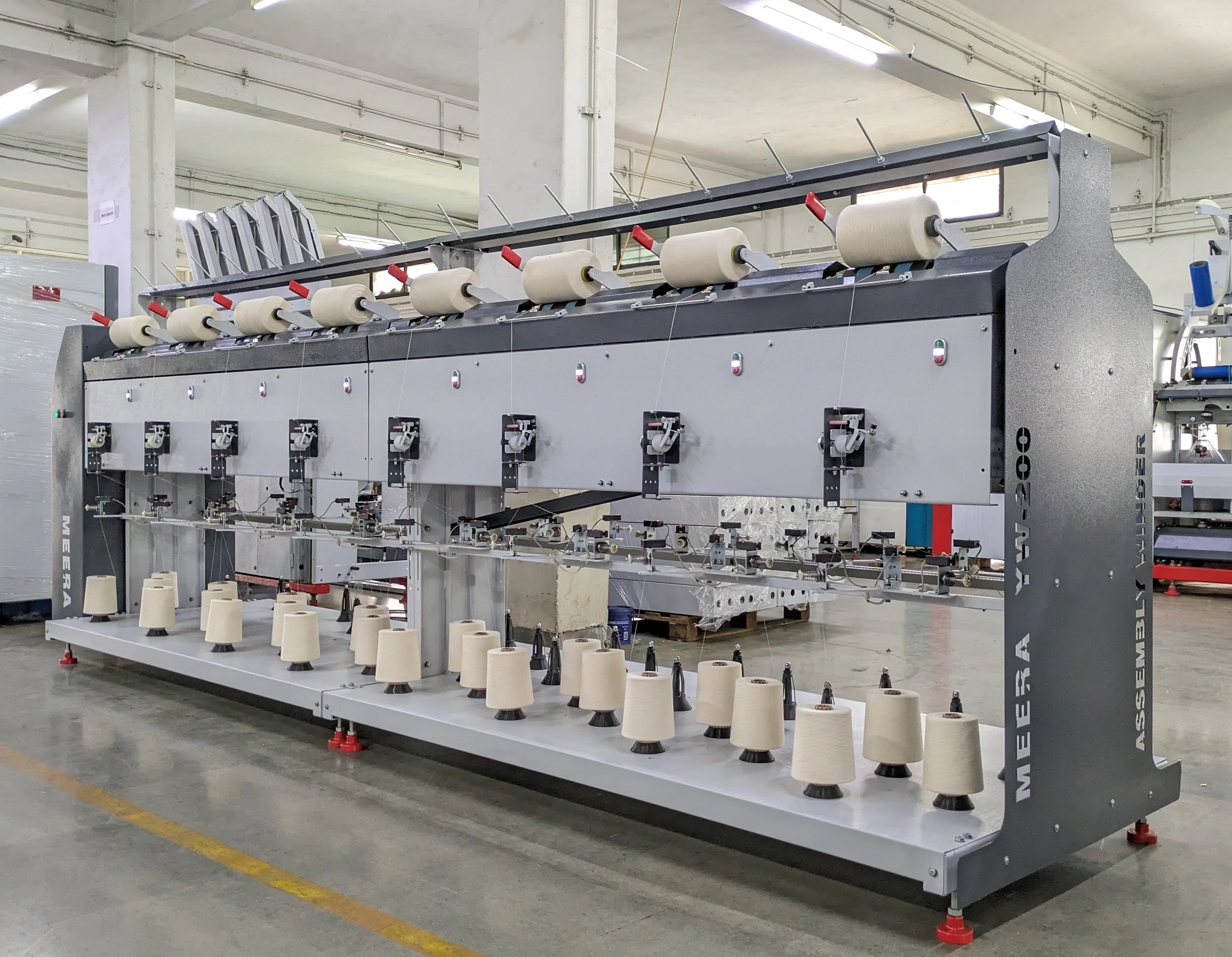
- Essential machine: Bobbin winders are crucial in textile manufacturing, ensuring yarn is wound with consistent tension and speed.
- Quality impact: Proper winding prevents yarn breakage and enhances the quality of the final textile product.
- Technological evolution: Modern bobbin winders feature automation and precision, increasing efficiency and reducing errors.
- Sustainability focus: Advanced features like IoT integration help align with sustainable manufacturing practices.
- Market options: Various models offer different speeds, capacities, and automation levels to suit diverse manufacturing needs.
Introduction to Bobbin Winders
Bobbin winders are a fundamental component in the textile manufacturing process, playing a pivotal role in preparing yarn for subsequent stages such as weaving and knitting. But what exactly is a bobbin winder, and why is it so essential in the textile industry?
What is a Bobbin Winder?
A bobbin winder is a machine that winds yarn onto a bobbin, a small spool that holds thread or yarn. This process is crucial because it ensures that the yarn is wound with consistent tension and speed, which is vital for the efficiency and quality of textile production. According to sources like "Understanding Bobbin Winders," these machines are designed to handle various types of yarns, making them versatile tools in the textile sector.
Importance in Textile Manufacturing
The importance of bobbin winders in textile manufacturing cannot be overstated. As reported by "The Role of Bobbin Winders in Textile Manufacturing," maintaining consistent tension and speed during the winding process is crucial for preventing yarn breakage and ensuring smooth operation of weaving and knitting machines. This consistency directly impacts the quality of the final textile product. Furthermore, innovations in bobbin winder technology have led to increased automation and precision, enhancing productivity and reducing human error.
For manufacturers utilizing Meera's winding machines, these advancements mean greater efficiency and better quality control in their production lines. As the industry continues to evolve, the integration of advanced features such as automated tension control and speed regulation in bobbin winders is becoming increasingly common. This evolution not only boosts operational efficiency but also aligns with the industry's push towards more sustainable and efficient manufacturing practices.
In conclusion, bobbin winders are indispensable in the textile industry, ensuring that yarn is prepared to the highest standards. As technology progresses, these machines will continue to be at the forefront of textile innovation, driving both quality and efficiency.
What Is a Bobbin Winder?
A bobbin winder is an essential machine in the textile industry, designed specifically to wind yarn onto bobbins, which are small spools that hold thread or yarn. This seemingly simple task is crucial for the smooth operation of further textile production processes such as weaving, knitting, and sewing. By ensuring that yarn is wound evenly and consistently, bobbin winders help prevent yarn breakage and ensure uniformity in the final textile products.
Definition
In essence, a bobbin winder is a device that automates the process of winding yarn onto a bobbin. According to Understanding Bobbin Winders, these machines are integral to the textile manufacturing process, as they prepare yarn in a manner that is conducive to efficient and effective production. The bobbin winder operates by taking yarn from a larger spool and winding it onto the bobbin, which can then be easily used in other machines such as looms or sewing machines.
The process involves precise tension control to ensure that the yarn is wound tightly enough to stay in place, but not so tight as to cause damage. This fine balance is critical to maintaining the quality and integrity of the yarn. The bobbin winder machine is thus a sophisticated piece of equipment that combines mechanical precision with practical functionality.
Evolution in Textile Industry
The evolution of bobbin winders parallels the broader technological advancements in the textile industry. Initially, winding yarn onto bobbins was a manual task, labor-intensive and prone to inconsistencies. However, with the advent of mechanization, the textile industry saw a significant shift towards automation. This shift not only improved efficiency but also enhanced the quality and consistency of textile products.
As reported by The Role of Bobbin Winders in Textile Manufacturing, modern bobbin winders are equipped with advanced features such as automatic tension adjustment, digital controls, and high-speed winding capabilities. These innovations have allowed manufacturers like Meera to produce machines that cater to the high demands of today's textile market, ensuring that their products remain competitive and of high quality.
In recent years, the integration of smart technology and IoT (Internet of Things) into bobbin winders has further revolutionized the industry. These technologies enable real-time monitoring and adjustments, reducing downtime and waste. For manufacturers using Meera's winding machines, this means greater efficiency and lower operational costs, aligning with the industry's move towards more sustainable practices.
The role of bobbin winders is especially significant in regions like Surat, Gujarat, where textile manufacturing is a key economic activity. The demand for high-quality textile machinery, such as those produced by Meera, continues to grow as manufacturers strive to meet global standards and customer expectations.
As the textile industry continues to evolve, the importance of the bobbin winder will only increase. It remains a cornerstone of textile production, ensuring that yarn is prepared in the most efficient and effective manner possible. With ongoing advancements in technology, the future of bobbin winders promises even greater capabilities and efficiencies, further solidifying their place in the textile manufacturing process.
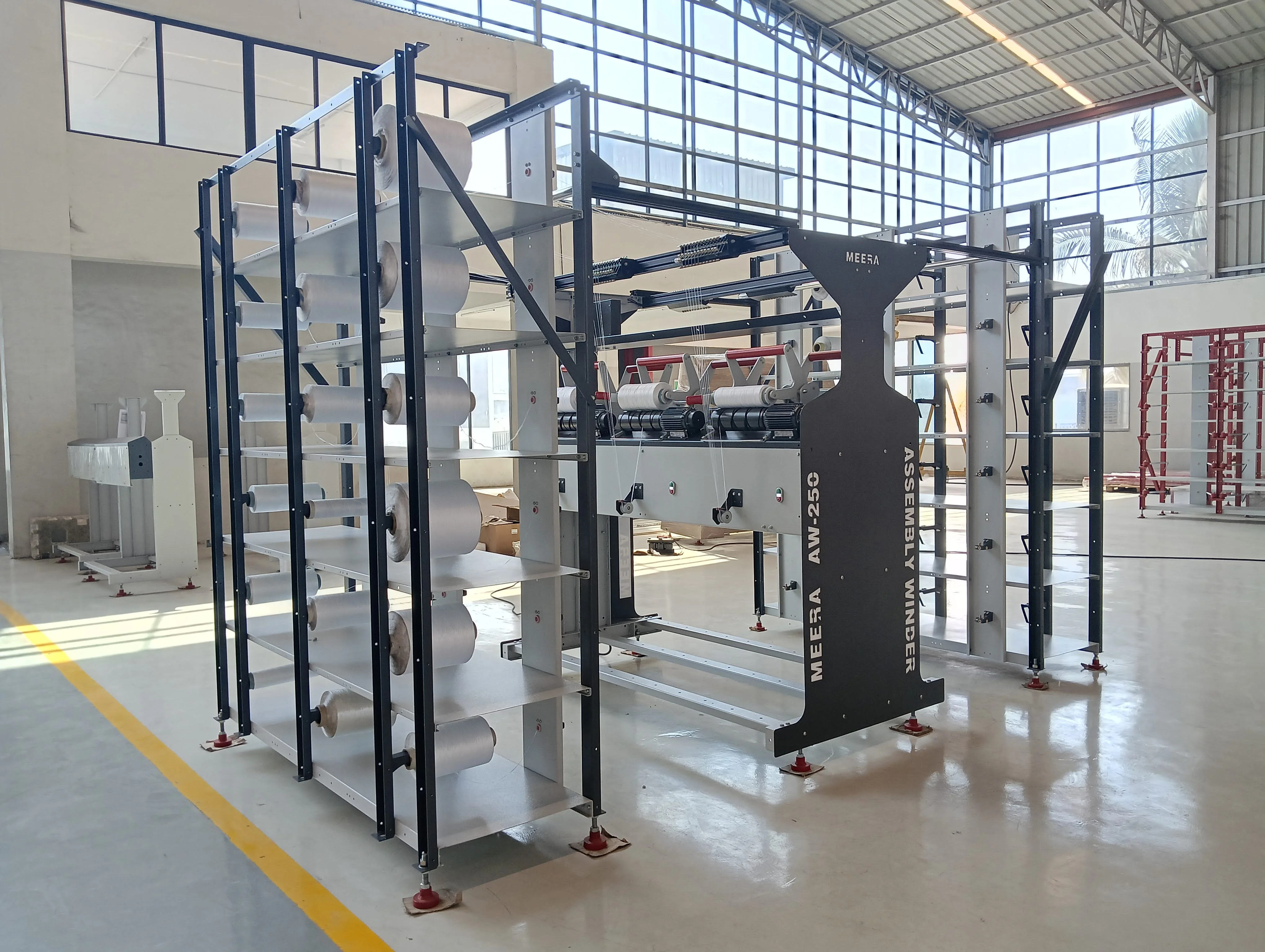
Top Bobbin Winder Machines in 2023
In 2023, the textile industry continues to evolve, driven by technological advancements and the need for higher efficiency. Bobbin winder machines are at the heart of this transformation, ensuring that yarn is wound perfectly onto bobbins, ready for the next stages of textile production. In this section, we will explore the top bobbin winder machines available in the market, comparing their features and benefits to help manufacturers make informed decisions.
Comparison Table
To start, let's look at a comparison table of some of the top bobbin winder machines in 2023. This table highlights key features such as speed, capacity, automation level, and more, offering a snapshot of what each machine brings to the table.
| Brand/Model | Speed (RPM) | Capacity | Automation Level | Price Range | Special Features |
|---|---|---|---|---|---|
| Meera BW-500 | 1200 | High | Fully Automated | $$ | Energy-efficient, IoT-enabled |
| Brother BW-880 | 1000 | Medium | Semi-Automated | $ | Easy-to-use interface, compact design |
| Singer SW-200 | 1100 | High | Fully Automated | $$ | High precision, low maintenance |
| Pfaff PW-300 | 900 | Low | Manual | $ | Durable build, cost-effective |
| Juki JW-700 | 1150 | High | Fully Automated | $$ | Advanced tension control, quiet operation |
Features of Top Models
Meera BW-500
The Meera BW-500 stands out as a leading bobbin winder machine, particularly for large-scale textile manufacturers. With a speed of 1200 RPM, it offers high capacity and is fully automated, making it a perfect choice for operations focused on efficiency and precision. According to data from the Bobbin Winding Machine - Bobbin Winder Latest Price, Manufacturers & Suppliers, the Meera BW-500 is also energy-efficient and IoT-enabled, allowing seamless integration with modern textile production lines.
Brother BW-880
The Brother BW-880 is favored for its user-friendly design and semi-automated functionality. Operating at 1000 RPM, this machine is ideal for medium capacity needs and has been highlighted for its compact design, which saves space in bustling production environments. As reported by the Best Sewing Machines | Lab Tested & Ranked, this model is particularly popular among small to medium-sized textile businesses that require reliability without the complexity of full automation.
Singer SW-200
Singer's SW-200 is a fully automated machine that combines high speed with precision. Running at 1100 RPM, it is designed for high-capacity operations and is acclaimed for its low maintenance needs. This machine is a top choice for manufacturers prioritizing high-quality output and minimal downtime. Its high precision winding ensures uniformity in textile products, a feature that is frequently cited in user reviews on the Bobbin Winding Machine - Bobbin Winder Latest Price, Manufacturers & Suppliers.
Pfaff PW-300
For those seeking a more manual approach, the Pfaff PW-300 offers durability and cost-effectiveness. With a speed of 900 RPM, it is suitable for low-capacity needs and is praised for its robust build. This machine is often chosen by manufacturers who need a straightforward, reliable solution without the bells and whistles of more advanced models. As noted by experts, the Pfaff PW-300 is a solid choice for budget-conscious operations.
Juki JW-700
The Juki JW-700 is known for its advanced tension control and quiet operation, critical features for maintaining a smooth workflow in textile production. Operating at 1150 RPM, this fully automated machine is favored for its high capacity and precision. Its quiet operation is particularly beneficial in noise-sensitive environments, a point highlighted by The Best Sewing Machines | Lab Tested & Ranked.
How Bobbin Winder Machines Enhance Efficiency
Bobbin winder machines, such as those outlined above, play a crucial role in enhancing operational efficiency in textile manufacturing. Automating the process of winding yarn onto bobbins not only speeds up production but also ensures consistency and reduces the likelihood of yarn breakage. This automation is particularly beneficial for large-scale operations, where even minor inefficiencies can lead to significant production delays.
For manufacturers using Meera's BW-500, the integration of IoT technology is a game-changer. This feature allows for real-time monitoring and adjustments, optimizing the winding process and minimizing waste. As the textile industry continues to push towards more sustainable practices, such efficiencies are not just beneficial but necessary.
Conclusion
Choosing the right bobbin winder machine in 2023 involves considering various factors, including speed, capacity, and the level of automation required. Whether opting for the high-tech features of the Meera BW-500 or the robust simplicity of the Pfaff PW-300, manufacturers have a range of choices tailored to their specific needs. As the industry continues to evolve, keeping abreast of the latest advancements in bobbin winder technology will be crucial for staying competitive and efficient.
In the ever-evolving textile industry, Meera remains a knowledgeable participant, offering innovative solutions that meet the demands of modern manufacturing. As we look to the future, the role of bobbin winder machines will undoubtedly continue to grow, further enhancing productivity and sustainability in textile production.
How to Choose the Right Bobbin Winder
Selecting the right bobbin winder is crucial for any textile operation aiming for efficiency and quality. As textile production demands precision, having the right machine can make a significant difference in output and cost-effectiveness. Here’s a comprehensive checklist to guide you in choosing the best bobbin winder for your needs.
Checklist for Selection
Compatibility with Yarn Types: Not all bobbin winders are created equal. Some are specifically designed for certain types of yarn. According to the "Understanding Bobbin Winders" guide, ensuring that the bobbin winder is compatible with the yarn types you use is essential. This prevents operational hiccups and maximizes efficiency.
Machine Features: Modern bobbin winders come equipped with a variety of features that enhance functionality. Look for features such as automatic tension control, which helps maintain consistent yarn tension, and programmable settings for different yarn types. "Bobbin Winder Machine Functions" highlights the importance of these features in reducing manual intervention and improving output quality.
Production Volume Capacity: Consider your production needs. If you are a large-scale manufacturer, a high-capacity bobbin winder that can handle large volumes efficiently is necessary. Smaller operations might prioritize precision over volume. Meera’s range of bobbin winders offers solutions tailored to different production scales, ensuring that you find the right fit.
Ease of Maintenance: Machines that are easy to maintain reduce downtime and extend the lifespan of the equipment. Check for availability of spare parts and local service support. Meera, based in Surat, Gujarat, provides robust support and easy access to parts, which is a key consideration for many Indian manufacturers.
Cost vs. Value: While cost is an important factor, it should be weighed against the value the machine brings. A higher initial investment in a feature-rich, durable bobbin winder might result in lower long-term costs due to reduced maintenance and higher productivity.
Brand Reputation and Support: Choose a manufacturer with a strong reputation for quality and customer support. Brands like Meera are known for their reliability and extensive service networks, which can be invaluable when issues arise.
Expert Tips
Consult Industry Peers: Engaging with industry peers who have experience with different bobbin winders can provide valuable insights. They can offer real-world feedback on machine performance and after-sales support.
Trial Runs: If possible, conduct trial runs with different machines. This hands-on approach allows you to assess the machine’s performance and suitability for your specific needs.
Stay Updated on Trends: The textile industry is rapidly evolving with new technologies. Keeping abreast of the latest advancements can help you make informed decisions. "Bobbin Winder Machine Functions" suggests that staying informed about new features and innovations can provide a competitive edge.
Choosing the right bobbin winder is not just about meeting immediate needs but also about positioning your operation for future success. By carefully considering these factors, you can ensure that your investment leads to enhanced productivity and quality.
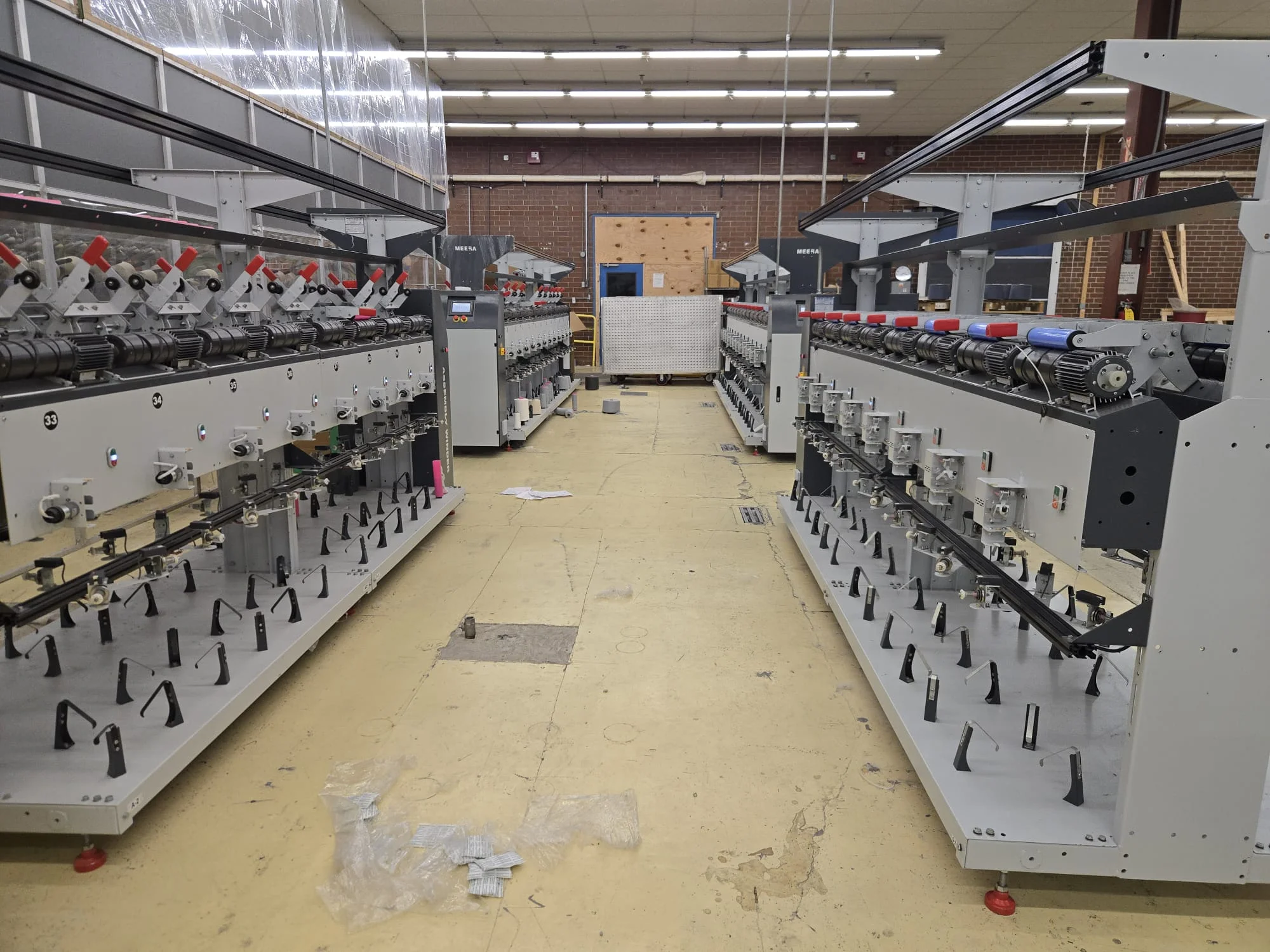
How Bobbin Winders Work
Bobbin winders are essential machines in the textile industry, designed to wind yarn onto bobbins efficiently and precisely. Understanding their working mechanism is crucial for maximizing their potential in textile operations.
Mechanism Explained
At the core of a bobbin winder's operation is its ability to convert loose yarn into neatly wound packages. The process begins with the yarn being fed from a larger spool or cone through tension guides. These guides ensure the yarn is evenly wound, preventing tangles and ensuring uniformity. The yarn is then wrapped around a rotating bobbin, driven by a motor. The speed and tension can be adjusted to accommodate different yarn types and winding requirements, which is pivotal for maintaining yarn quality and minimizing waste.
Recent advancements, as discussed in the "Innovations in Bobbin Winder Technology," have enhanced the precision of these machines. Modern bobbin winders often incorporate sensors and electronic controls that automatically adjust tension and speed, ensuring optimal winding conditions. This technological evolution not only improves the quality of the wound bobbins but also reduces manual intervention, making the process more efficient.
Automation and Efficiency
Automation in bobbin winding has revolutionized the textile industry, as detailed in "Bobbin Winder Machine Functions." Automated bobbin winders, like those offered by Meera, streamline the winding process, significantly reducing the need for manual labor. This automation enhances operational efficiency by minimizing human error and increasing production speed.
Compared to their manual counterparts, automatic bobbin winders offer superior efficiency. They can operate continuously with minimal supervision, leading to increased throughput. A key feature of these machines is their ability to automatically detect and resolve issues such as yarn breakage or bobbin overload, which further minimizes downtime and maintenance needs.
Incorporating such automated systems is particularly advantageous for textile manufacturers aiming to scale their operations while maintaining high-quality standards. As the industry continues to embrace automation and precision, bobbin winders remain a pivotal tool in achieving these objectives.
In conclusion, understanding the working mechanism and the benefits of automation in bobbin winders reveals their indispensable role in modern textile manufacturing. For companies like Meera, leveraging these advancements ensures they remain at the forefront of industry innovation.
Pricing & Cost of Bobbin Winders
When considering the investment in a bobbin winder, understanding the pricing landscape is essential for making informed decisions. Bobbin winders, integral to textile production, vary widely in cost depending on features, capacity, and brand reputation.
Price Range
According to data from Bobbin Winding Machine - Bobbin Winder Latest Price, Manufacturers & Suppliers, the cost of bobbin winders can range from INR 50,000 to INR 500,000 (approximately USD 600 to USD 6,000). This broad spectrum reflects differences in machine capabilities, such as speed, automation level, and compatibility with various yarn types. Basic models typically cater to smaller operations or those just starting, while higher-end machines offer advanced features and increased production efficiency, suitable for large-scale manufacturers.
For companies like Meera, which operates in Surat, a hub of textile manufacturing in India, the choice of a bobbin winder must align with production goals and budget constraints. Investing in a machine that balances cost with functionality can lead to significant long-term savings and productivity gains.
Value for Money
While the initial price tag is a crucial factor, the true measure of a bobbin winder's value lies in its operational efficiency and durability. Machines that offer robust build quality, minimal maintenance needs, and energy efficiency provide better value over their lifecycle. As reported by industry sources, opting for a higher upfront investment in a reliable machine often results in lower operational costs and downtime.
For example, textile businesses in India and globally are increasingly prioritizing energy-efficient models. These machines not only reduce electricity bills but also align with sustainability goals, a growing concern in the industry. As Meera continues to innovate in its product offerings, focusing on delivering value through advanced technology and reliable performance ensures that customers receive high returns on their investments.
Understanding these pricing dynamics enables businesses to select bobbin winders that not only meet their immediate operational needs but also support long-term strategic goals. As the textile industry evolves, staying informed about cost-effective solutions is crucial for maintaining competitiveness.
Common Mistakes with Bobbin Winders
In the textile industry, bobbin winders are indispensable for ensuring efficient yarn management. However, even seasoned operators can encounter common mistakes that disrupt production and lead to inefficiencies. Understanding these pitfalls is crucial for maintaining optimal machine performance.
Frequent Errors
One prevalent mistake is improper tension setting. As noted in "How to set up your sewing machine, according to a Sewing Bee winner," incorrect tension can lead to uneven winding, which affects the quality of the final product. Similarly, using mismatched bobbins or yarn types can cause irregular winding patterns and potential machine jams.
Another common issue is neglecting regular maintenance. According to "The Best Sewing Machines | Lab Tested & Ranked," skipping routine checks can result in worn-out components that degrade machine performance over time. Furthermore, operators often overlook the importance of correctly threading the yarn through the tension guides, which is critical for achieving uniform windings.
Solutions and Tips
To mitigate these issues, it is essential to adhere to a few best practices. Firstly, always ensure that the tension settings are adjusted according to the specific yarn type being used. This can prevent many of the irregularities that arise from tension mismanagement. Regular maintenance checks, such as cleaning and lubricating moving parts, can significantly extend the lifespan of your bobbin winder machine.
Moreover, training operators to recognize the definition of a bobbin winder and its components can enhance overall efficiency. Understanding what a bobbin winder is and how it functions enables operators to troubleshoot effectively and avoid common pitfalls. For manufacturers using Meera's winding machines, these practices can lead to enhanced productivity and reduced downtime.
In conclusion, while bobbin winders are vital for textile operations, avoiding common mistakes is key to maximizing their utility. By focusing on correct tension settings, regular maintenance, and operator education, businesses can ensure their bobbin winder yarn processes run smoothly, enhancing both quality and efficiency.
Conclusion
The bobbin winder is a cornerstone of textile manufacturing, playing a crucial role in ensuring smooth and efficient yarn management. As the textile industry evolves, the importance of advanced bobbin winders becomes increasingly apparent. According to "Innovations in Bobbin Winder Technology," future trends are steering towards greater automation and integration with IoT, enabling smarter and more efficient operations. This evolution signifies a substantial shift in how manufacturers can enhance productivity and reduce manual intervention.
Key Takeaways
Bobbin winders are not just about winding yarn; they are about optimizing the entire production process. The ability to maintain consistent tension and speed is vital for producing high-quality textiles, and advanced machines are making this easier than ever. For manufacturers utilizing Meera’s bobbin winders, this translates into enhanced efficiency and reduced downtime, a significant competitive advantage in a fast-paced industry.
Future of Bobbin Winders
Looking ahead, the integration of IoT and advanced automation features will continue to redefine what bobbin winders can achieve. As reported by "Innovations in Bobbin Winder Technology," these advancements will lead to machines that can self-diagnose issues and adjust operations in real-time, minimizing the risk of errors and maximizing output. For Meera, staying at the forefront of these technological advancements is crucial, ensuring that their products not only meet but exceed the evolving needs of the textile sector. As the industry embraces these innovations, the potential for increased efficiency and productivity becomes not just a possibility but a reality.
What is a bobbin winder?
A bobbin winder is a machine used in the textile industry to wind yarn onto bobbins. This process ensures that the yarn is wound with consistent tension and speed, which is crucial for the efficiency and quality of subsequent textile production processes like weaving and knitting.
How does a bobbin winder work?
A bobbin winder operates by taking yarn from a larger spool and winding it onto a bobbin. The machine maintains precise tension control to ensure the yarn is wound tightly enough to stay in place but not so tight as to cause damage, thus preparing it for further use in textile machines.
What are the benefits of using a bobbin winder?
Using a bobbin winder ensures consistent yarn tension and speed, preventing breakage and enhancing the quality of the final textile product. Modern winders offer automation and precision, increasing productivity and reducing human error, which is essential for maintaining high manufacturing standards.
How do I maintain my bobbin winder?
Regular maintenance of a bobbin winder includes cleaning the machine to remove lint and dust, lubricating moving parts to prevent wear, and checking tension settings to ensure optimal performance. Following the manufacturer's guidelines for maintenance can prolong the machine's lifespan and efficiency.
What is the price range for bobbin winders?
The price of bobbin winders varies based on features such as speed, capacity, and automation level. Basic manual models may cost less, while fully automated, high-capacity machines with advanced features like IoT integration can be more expensive, reflecting their enhanced capabilities.
What are common mistakes when using a bobbin winder?
Common mistakes include improper tension settings, which can lead to yarn breakage or uneven winding, and neglecting regular maintenance, which can cause machine malfunctions. Ensuring correct setup and routine checks can help avoid these issues and maintain optimal performance.