
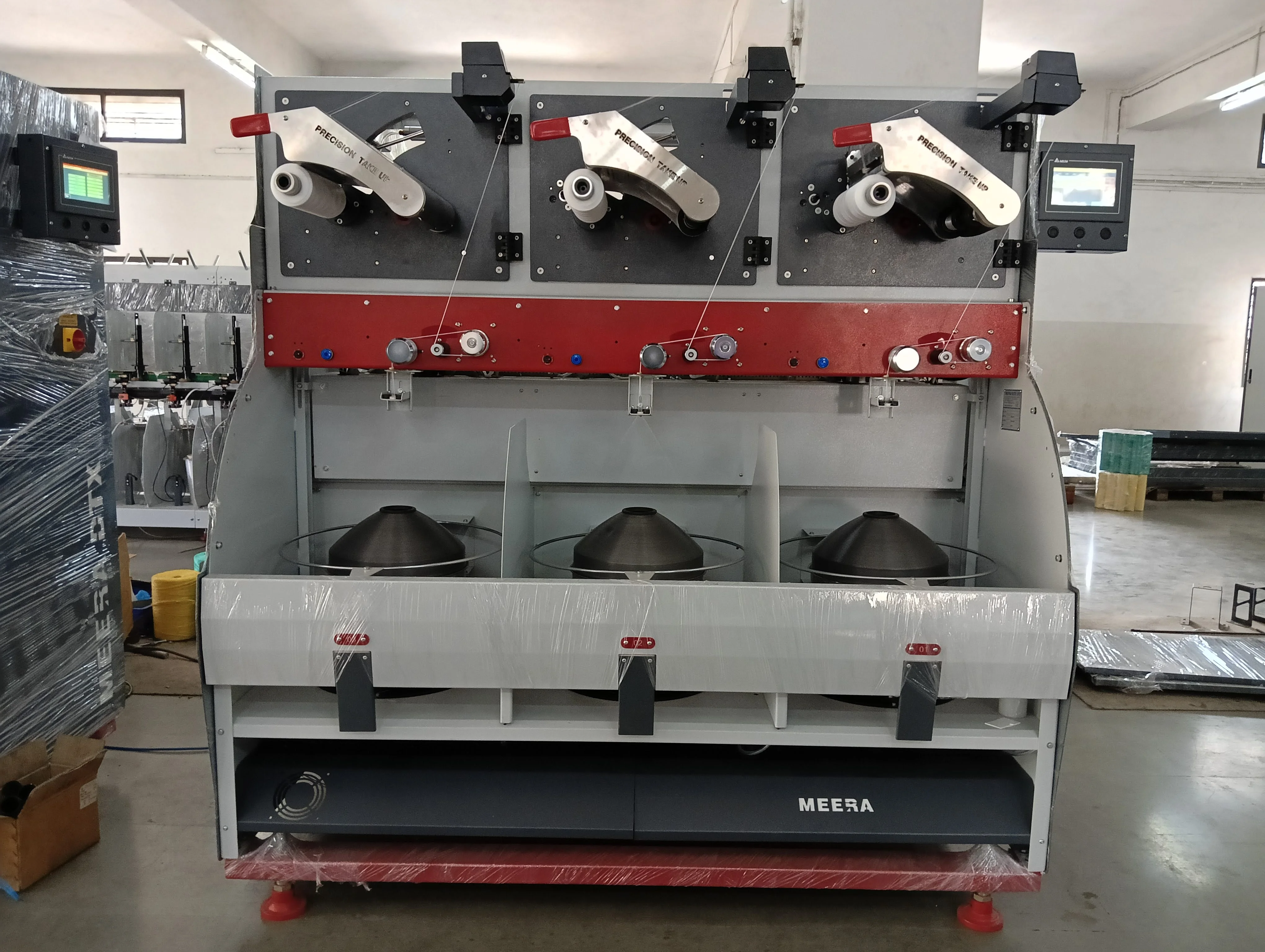
An FIBC yarn preparation line is essential for transforming raw polypropylene into high-quality jumbo bag yarn. Key factors for optimization include machine compatibility, efficient layout design, and robust quality assurance processes.
From Raw PP to Bag-Ready Yarn: Configuring Your FIBC Yarn Preparation Line
Understanding the FIBC Yarn Preparation Line
In the textile manufacturing industry, an efficient FIBC (Flexible Intermediate Bulk Container) yarn preparation line is crucial for producing high-quality jumbo bags. The core components of this line include twisting machines, winding machines, and heat setting machinery, all of which Meera Industries specializes in. These machines are designed to work together, transforming raw polypropylene (PP) into bag-ready yarn. Integrating these components into a seamless line is essential, as it reduces operational bottlenecks and enhances overall production efficiency.
Detailed Plant Layout for Optimal Efficiency
Designing an optimal plant layout is a critical step in setting up an efficient FIBC yarn preparation line. The layout should aim to minimize material handling time and energy consumption by strategically positioning machines to facilitate a smooth flow of materials. This involves placing twisting, winding, and assembly machines in a sequence that aligns with the production process, allowing for easy movement of materials and reducing the need for excessive manual handling. While specific layout strategies can vary, ensuring sufficient space for storage and quality inspection areas is crucial for uninterrupted operations.
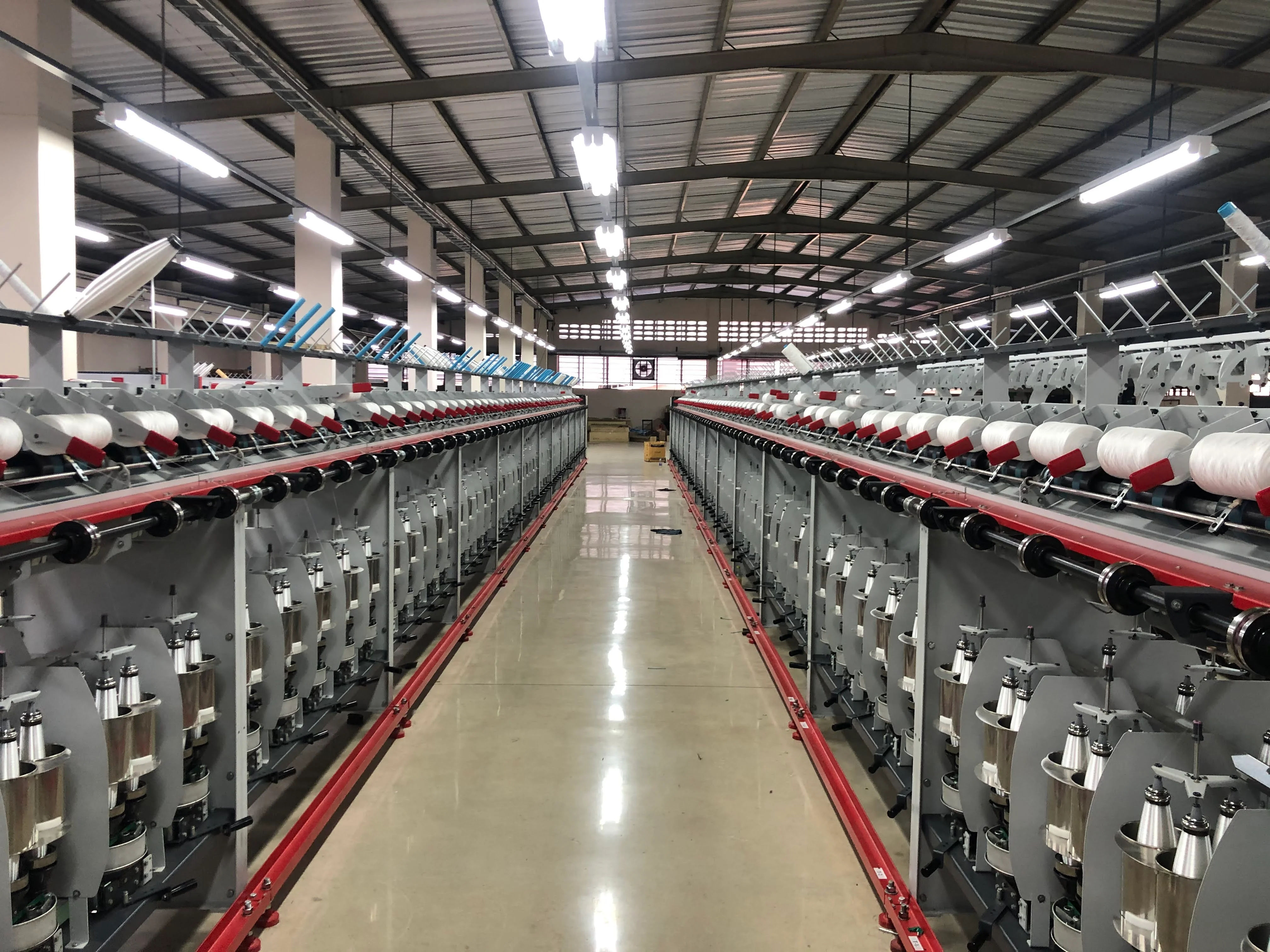
The sequence and compatibility of machines in the FIBC yarn preparation line are vital for achieving maximum efficiency. Meera Industries offers custom solutions that ensure machine compatibility, which is key to minimizing downtime and changeover time. The optimal sequence typically begins with twisting machines, such as the ST-202 model, followed by winding and assembly machines like the DTX-300 and AW-250. Ensuring that each machine is compatible with the next in line allows for a smooth transition of materials, reducing the risk of operational delays and enhancing the overall productivity of the line.
Energy and Space-Saving Benefits
Energy efficiency is a significant consideration in the textile industry, and Meera's machinery is designed to meet this demand. According to industry sources, there is a growing demand for energy-efficient textile machinery, which can significantly reduce operational costs over time. Meera's machines are engineered to be energy-efficient, helping manufacturers save on operational costs while maintaining production standards. Additionally, their compact design helps save valuable floor space, allowing manufacturers to maximize their production area without compromising on the quality or quantity of output.
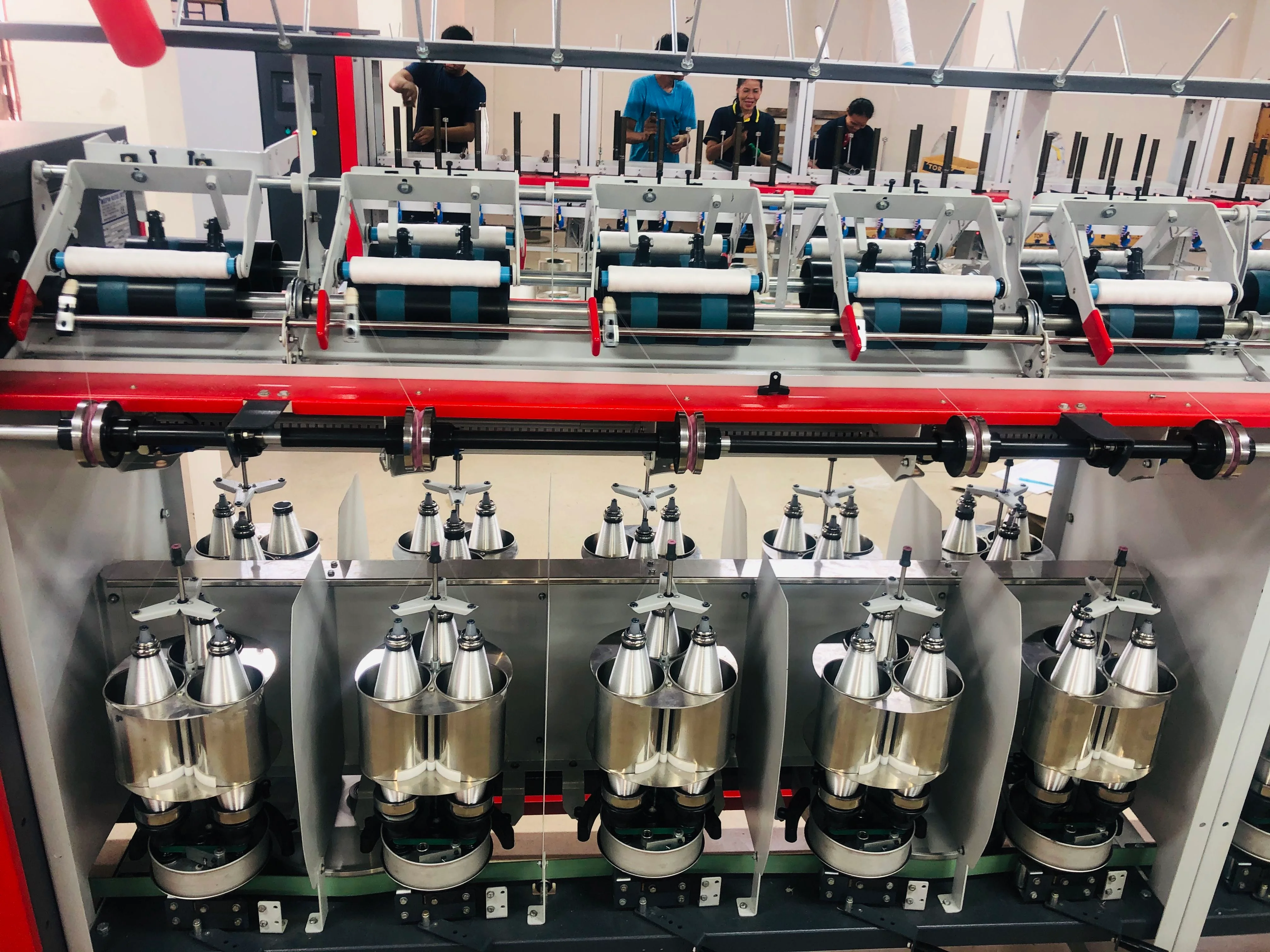
Quality assurance is a critical aspect of the FIBC yarn preparation process. Implementing robust quality checkpoints throughout the production line can prevent costly rework and ensure customer satisfaction. These checkpoints should be strategically placed at various stages of production, such as post-twisting, winding, and heat setting, to monitor the yarn's consistency and strength. By maintaining stringent quality standards, manufacturers can ensure that the final product meets the required specifications and performs reliably in its intended applications.
Managing Changeover Times
One of the challenges in FIBC yarn production is managing changeover times between different yarn types. High changeover times can impact operational efficiency, leading to increased costs and reduced productivity. To address this, investing in modular machinery that allows for quick adjustments and minimal downtime can be beneficial. While specific changeover times for Meera's machines are not confirmed, industry practices suggest that modular designs can significantly reduce the time required to switch between different yarn specifications, thus enhancing overall line efficiency.
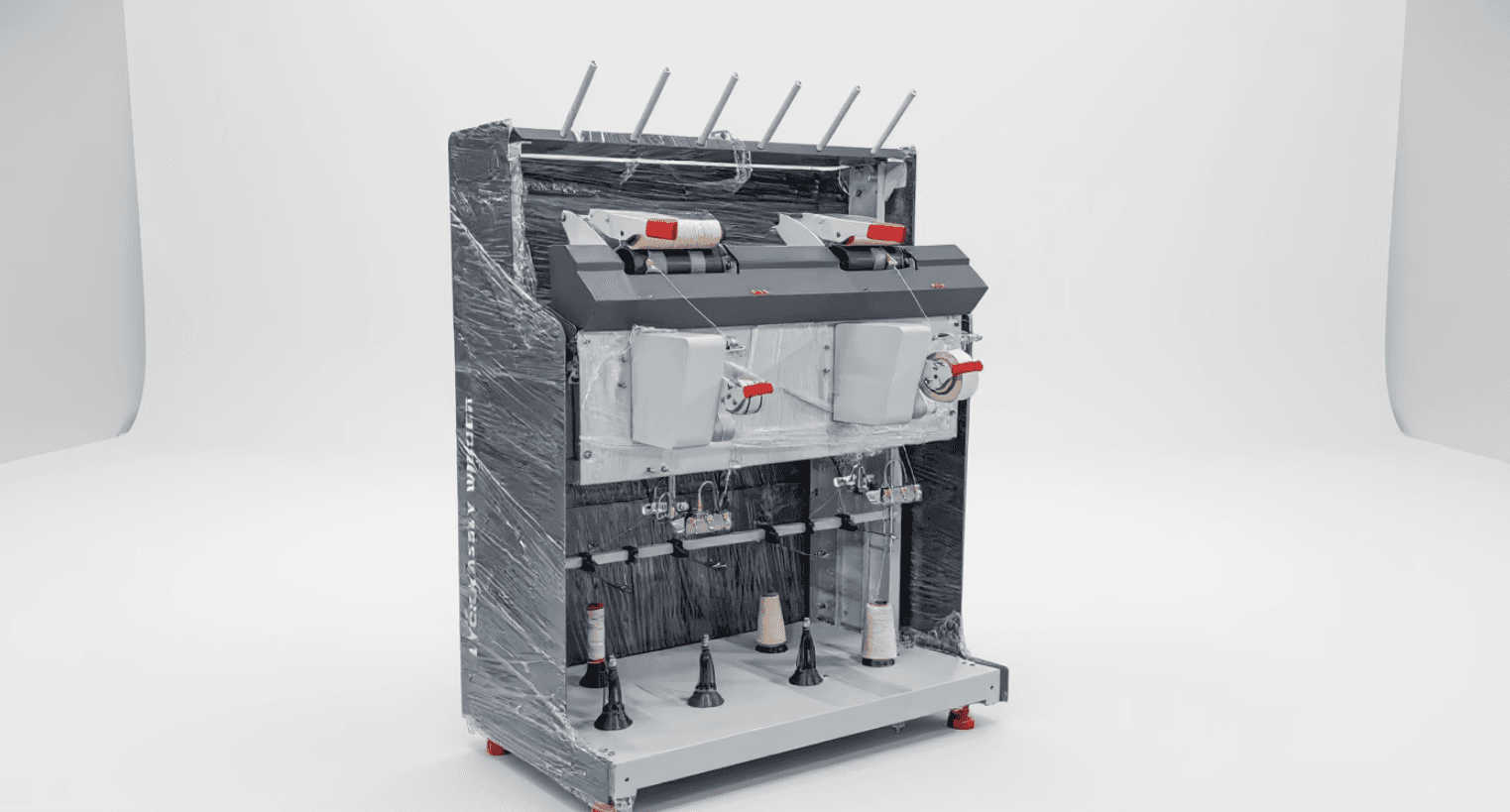
When evaluating machinery options for FIBC yarn preparation, decision-makers should consider several factors beyond the initial purchase price. It's important to assess the total cost of ownership, which includes energy consumption, maintenance requirements, and potential downtime. Additionally, the machinery's ability to integrate seamlessly into existing production lines and its flexibility to adapt to changing production needs are crucial considerations. By focusing on these criteria, manufacturers can make informed decisions that align with their operational goals and budget constraints.
Conclusion
For textile manufacturers looking to optimize their FIBC yarn preparation line, Meera Industries offers a comprehensive and energy-efficient solution. By focusing on plant layout, machine sequence, and quality assurance, manufacturers can enhance their production efficiency and product quality. To further explore how Meera's machinery can meet your specific needs, consider contacting them for a detailed plant layout consultation. This step can provide valuable insights into configuring a production line that maximizes efficiency and supports your business objectives.
What is an FIBC yarn preparation line?
It's a production line designed to convert raw polypropylene into bag-ready yarn for jumbo bags.
How can I optimize my FIBC yarn preparation line?
Focus on plant layout, machine sequence, and energy efficiency to enhance productivity.
What are the benefits of energy-efficient machinery?
It reduces operational costs and meets growing market demands for sustainability.
How do I manage changeover times in production?
Invest in modular machinery to minimize downtime between different yarn types.
Why is quality assurance important in yarn production?
It ensures product consistency and prevents costly rework, enhancing customer satisfaction.