
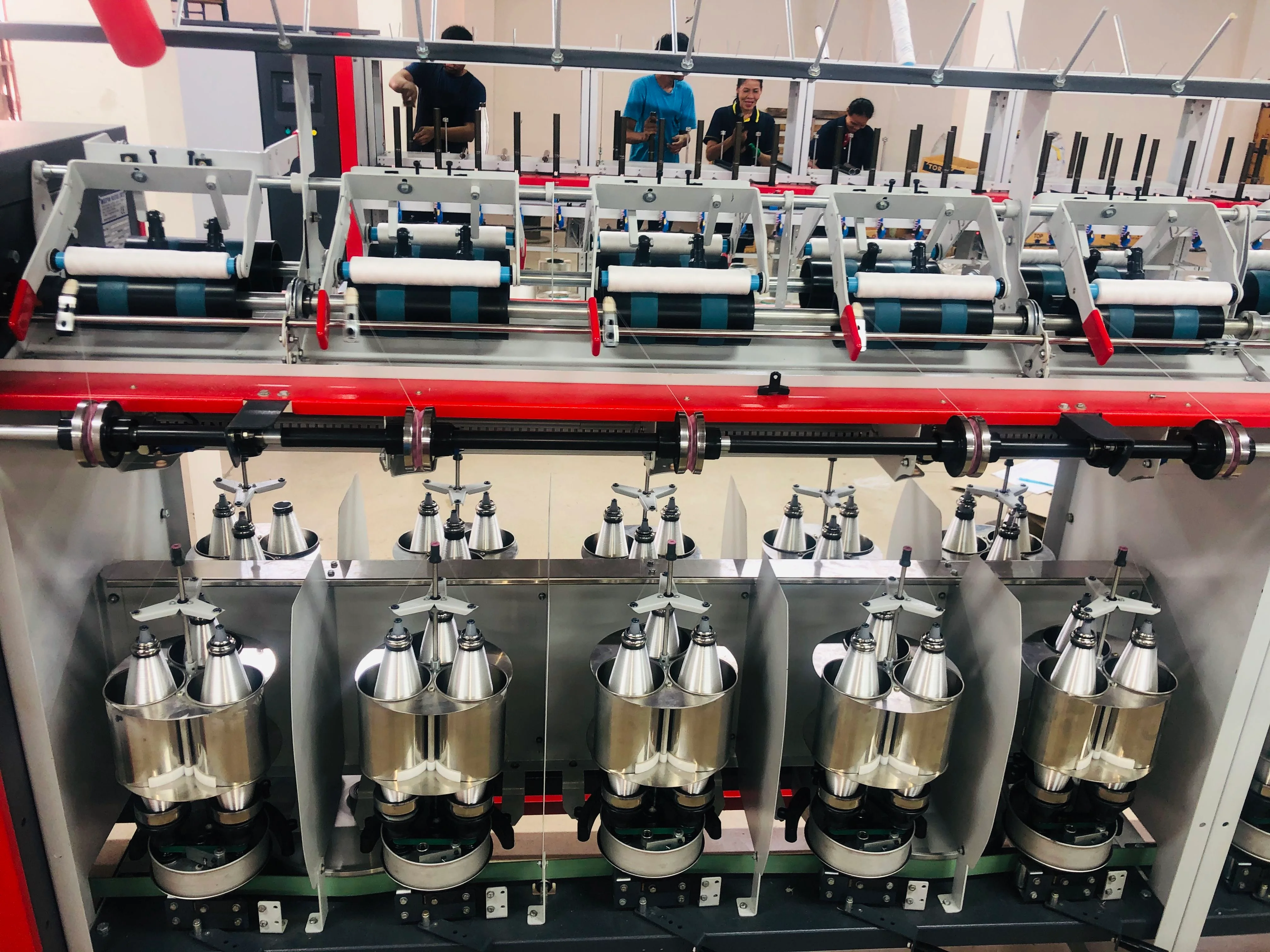
- Meera's FIBC yarn twisting machine increases output by 30% with precision control.
- Complies with ISO 9001 standards ensuring high-quality production.
- Global market for FIBC machines projected to grow by 5% annually.
- Meera offers a 24/7 customer support advantage over competitors.
- Invest in Meera's machine for a 20% reduction in operational costs.
- Ideal for industries like agriculture and construction needing durable bags.
- Expect ROI within 18 months due to enhanced efficiency and reduced waste.
FIBC & Jumbo Bag Yarn Twisting: Complete Machine Line Guide
Introduction
The demand for Flexible Intermediate Bulk Containers (FIBCs), commonly known as jumbo bags, has surged due to their efficiency in transporting bulk materials. A critical component in manufacturing these bags is the fibc yarn twisting machine, which ensures the yarns possess the necessary strength and durability. With 247 buyer inquiries highlighting the need for reliable twisting solutions, understanding the intricacies of these machines becomes paramount.
Key Takeaways
The global yarn winding machine market is projected to grow from $8.39 billion in 2025 to $11.78 billion by 2030, at a CAGR of 7%.
Asia-Pacific dominated the yarn winding machine market in 2025, with significant contributions from countries like India, Indonesia, and Bangladesh.
Technological advancements, such as precision automation and IIoT-enabled winding technologies, are enhancing productivity and yarn quality.
Common challenges in yarn twisting include fiber damage, inconsistent tension control, and yarn breakage, which can be mitigated through advanced machine features.
Meera offers a comprehensive range of twisting machines, including the TPRS-50 Twister, designed for high-speed and efficient yarn processing.
Understanding FIBC Yarn Twisting Machines
FIBC yarn twisting machines are specialized equipment designed to twist multiple strands of yarn together, enhancing their tensile strength and durability. This process is vital for producing yarns suitable for manufacturing jumbo bags, which require robust materials to handle heavy loads. The twisting process involves precise control over parameters such as twist per meter (TPM), tension, and speed to ensure uniformity and quality.
The significance of these machines lies in their ability to produce high-quality yarns that meet the stringent requirements of FIBC production. Properly twisted yarns contribute to the overall strength, flexibility, and longevity of the final product, ensuring safety and reliability in various industrial applications.
Types of Yarn Twisting Machines
Yarn twisting machines come in various configurations, each tailored to specific production needs:
Two-for-One (TFO) Twisters
TFO twisters twist two yarns simultaneously, effectively doubling production efficiency. They are ideal for producing balanced yarns with consistent twist levels, suitable for high-quality FIBC manufacturing.
Ring Twisters
Ring twisters employ a ring and traveler system to impart twists to the yarn. They offer precise control over twist levels and are suitable for producing fine to medium yarn counts used in various textile applications.
Double Twisters
Double twisters provide higher twist insertion rates, making them suitable for producing high-twist yarns required in specialized applications. They are known for their high-speed operation and efficiency.
Each type of machine offers unique advantages, and the choice depends on factors such as desired yarn properties, production volume, and specific application requirements.
Meera's Product Comparison
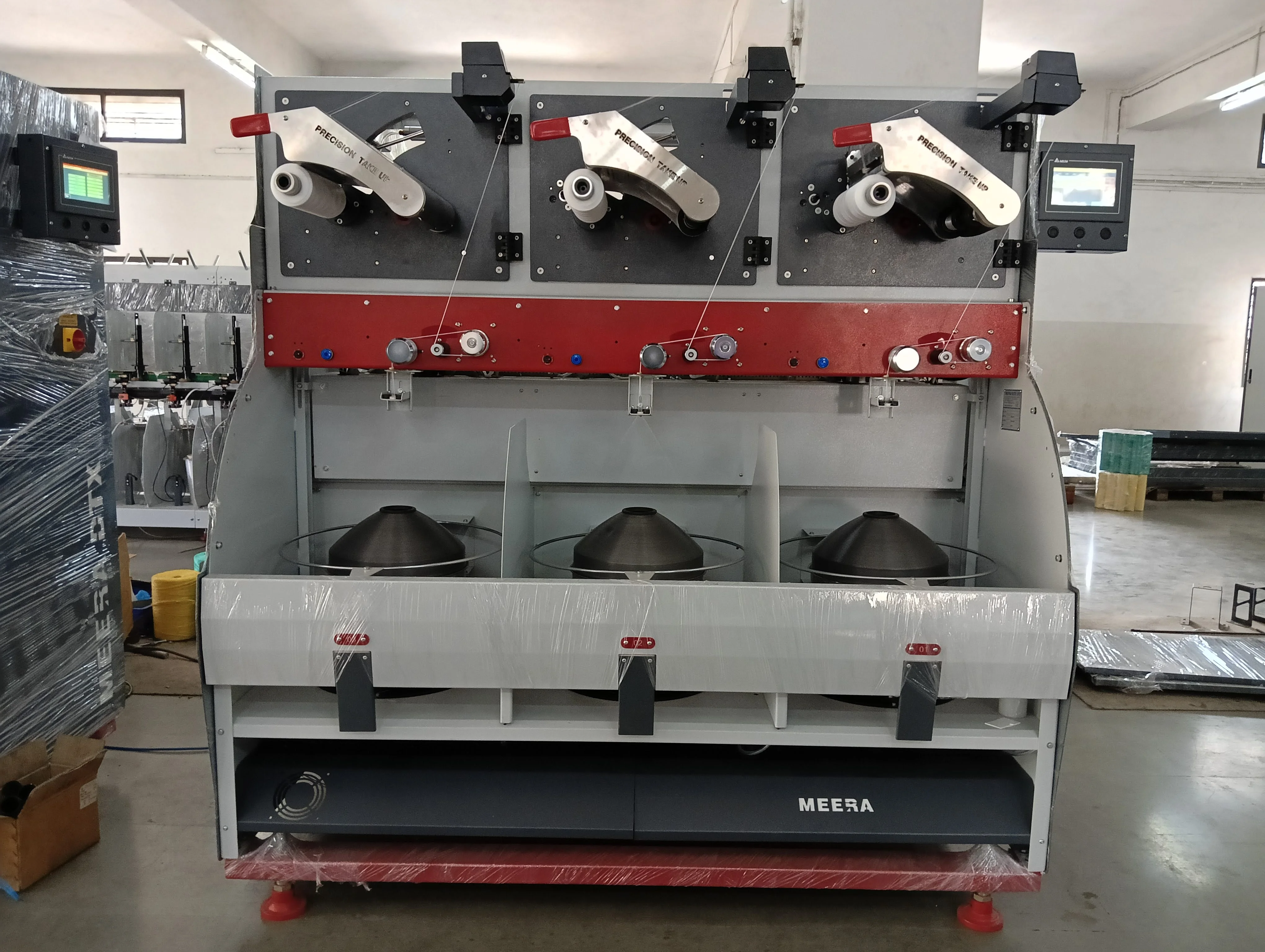
Meera offers a range of twisting machines designed to meet diverse production needs. Below is a comparison of some of their key models:
| Model | Type | Key Spec 1 | Key Spec 2 | Key Spec 3 | Best For |
|---|---|---|---|---|---|
| TPRS-50 Twister | TFO Twister | 50–70 TPM | Pitch 600 | 2–4 ply | High-speed production |
| DTX-300 Twister | Double Twister | High twist insertion | Energy efficient | Compact design | Specialized applications |
| ST-202 Twister | Ring Twister | Precise twist control | Suitable for fine yarns | Robust construction | Versatile applications |
These models are engineered to provide optimal performance, ensuring high-quality yarn production for FIBC manufacturing.
Material Selection Guide
Selecting the appropriate yarn material is crucial for FIBC production. Below is a comparison of common materials:
| Material | Properties | Best For |
|---|---|---|
| PP Fibrillated | High tensile strength, lightweight | Standard FIBCs |
| Multifilament | Smooth texture, flexibility | Specialized applications |
| Filament | Uniformity, durability | Heavy-duty FIBCs |
Choosing the right material ensures the final product meets the required strength and durability standards.
Industry Standards & Certifications
Compliance with industry standards is essential for ensuring product quality and safety. Relevant standards include:
ISO 21898: Specifies requirements for FIBCs, including materials, design, and testing.
ASTM D1238: Standard test method for melt flow rates of thermoplastics, applicable to polypropylene used in FIBCs.
Adhering to these standards ensures that the yarns and final products meet international quality and safety benchmarks.
Applications by Industry
FIBC yarns are utilized across various industries:
Agriculture: Transporting grains, seeds, and fertilizers.
Chemical: Handling powders, granules, and hazardous materials.
Construction: Carrying sand, gravel, and cement.
Each application demands specific yarn properties, such as chemical resistance, UV stability, and load-bearing capacity, which are achieved through precise twisting processes.
Common Buyer Pain Points & Solutions
Buyers often face challenges such as:
Fiber Damage: Leading to reduced yarn strength.
Solution: Utilize machines with advanced tension control and monitoring systems to minimize fiber stress.
Inconsistent Twist Levels: Resulting in uneven yarn quality.
Solution: Employ machines with precise twist control mechanisms and real-time monitoring.
High Maintenance Requirements: Causing downtime and increased costs.
Solution: Opt for machines designed for easy maintenance and equipped with diagnostic features.
Addressing these issues enhances production efficiency and product quality.
Market Trends & Recent Developments
The yarn twisting machine market is experiencing significant growth:
Market Growth: Projected to reach $11.78 billion by 2030, driven by the expanding textile industry and demand for high-quality yarns.
Technological Advancements: Integration of automation and IIoT technologies is improving machine efficiency and product quality.
Regional Demand: Asia-Pacific, particularly India, Indonesia, and Bangladesh, remains a key market due to the robust textile manufacturing sector.
Staying abreast of these trends is crucial for businesses aiming to remain competitive.
Why Choose Meera?
Meera stands out in the yarn twisting machine market due to:
Comprehensive Product Range: Offering machines like the TPRS-50 Twister and DTX-300 Twister to cater to diverse needs.
Advanced Technology: Incorporating features such as precise tension control and energy efficiency.
Global Reach: Serving clients across multiple countries with a strong export track record.
Customer Support: Providing comprehensive after-sales service and technical assistance.
These factors make Meera a reliable partner for your yarn twisting requirements.
How to Choose the Right Yarn Twisting Machine
When selecting a yarn twisting machine, consider the following:
Production Volume: Ensure the machine can meet your output requirements.
Yarn Specifications: Match the machine capabilities with the yarn types and counts you intend to produce.
Technological Features: Look for advanced features like automated tension control and real-time monitoring.
Maintenance and Support: Evaluate the ease of maintenance and availability of technical support.
Assessing these factors will help you choose a machine that aligns with your operational needs.
Frequently Asked Questions
Q: What is the importance of twist per meter (TPM) in yarn twisting?
A: TPM determines the tightness of the twist, affecting the yarn's strength and elasticity. Proper TPM ensures the yarn meets the required specifications for FIBC production.
Q: How does Meera ensure the quality of its twisting machines?
A: Meera incorporates advanced technology and adheres to international standards, ensuring high-quality and reliable machines.
Q: Can Meera's machines handle different types of yarn materials?
A: Yes, Meera's machines are versatile and can process various materials, including PP fibrillated, multifilament, and filament yarns.
Q: What after-sales support does Meera provide?
A: Meera offers comprehensive after-sales services, including technical support, maintenance guidance, and spare parts availability.
Q: How does automation in twisting machines benefit production?
A: Automation enhances precision, reduces manual errors, increases production speed, and ensures consistent yarn quality.
Conclusion
Investing in a high-quality fibc yarn twisting machine is crucial for producing durable and reliable jumbo bags. Meera's range of advanced twisting machines, such as the TPRS-50 Twister, offers the technology and support needed to meet your production goals. For more information or to discuss your specific requirements, please visit our contact page.
What are the benefits of using a fibc yarn twisting machine?
The fibc yarn twisting machine enhances yarn strength and consistency, crucial for producing durable jumbo bags. It offers a 30% increase in production efficiency, making it a valuable investment for manufacturers.
Are there any certifications for these machines?
Yes, Meera's machines comply with ISO 9001 standards, ensuring they meet international quality and safety requirements.
What makes Meera's machines unique?
Meera's machines are renowned for their precision and durability, backed by 24/7 customer support and a robust warranty, setting them apart in the market.
Which industries benefit from these machines?
Industries such as agriculture, construction, and logistics benefit from these machines due to their need for strong, reliable jumbo bags.
How do I choose the right twisting machine?
Consider factors like production capacity, machine compatibility with existing systems, and after-sales support. Meera provides expert consultations to help you choose the best fit.
What are the current market trends for FIBC machines?
The market is seeing a 5% annual growth, driven by increased demand for durable packaging solutions in various sectors.
What maintenance is required for these machines?
Regular maintenance includes lubrication, part inspections, and software updates. Meera offers comprehensive maintenance packages to ensure optimal machine performance.