
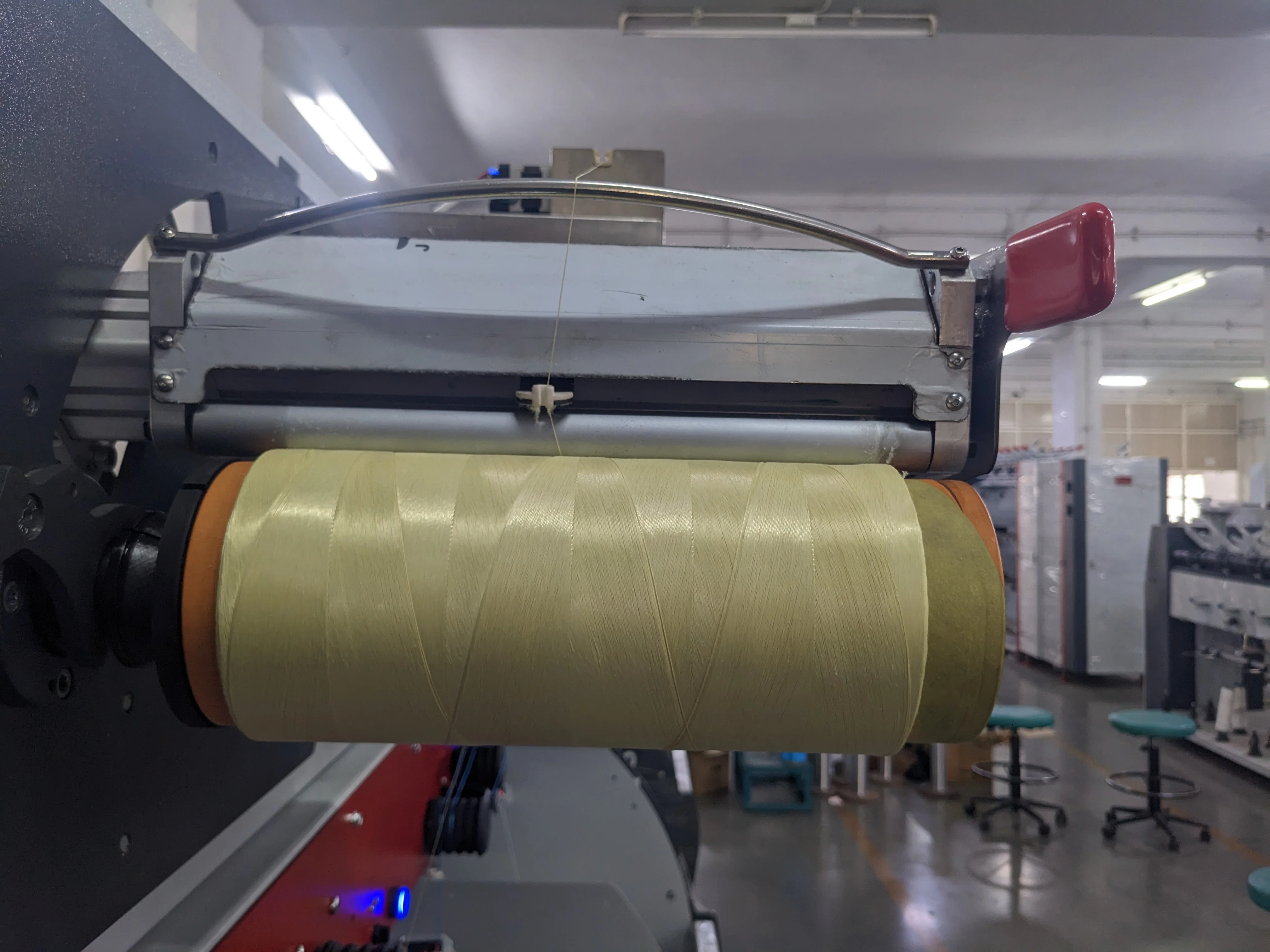
- Meera's kevlar rope twisting machine can handle up to 8000 denier cords.
- Complies with ISO 9001:2015 standards for quality assurance.
- Growing demand for aramid cords in defense and aerospace sectors.
- Meera offers customizable solutions for diverse industrial needs.
- Consider machine capacity and compatibility with existing systems.
- Ideal for industries like defense, aerospace, and marine.
- Investing in Meera's machines can yield a 20% increase in production efficiency.
Kevlar & Aramid Rope Twisting: Specialty Machine Configuration
Introduction
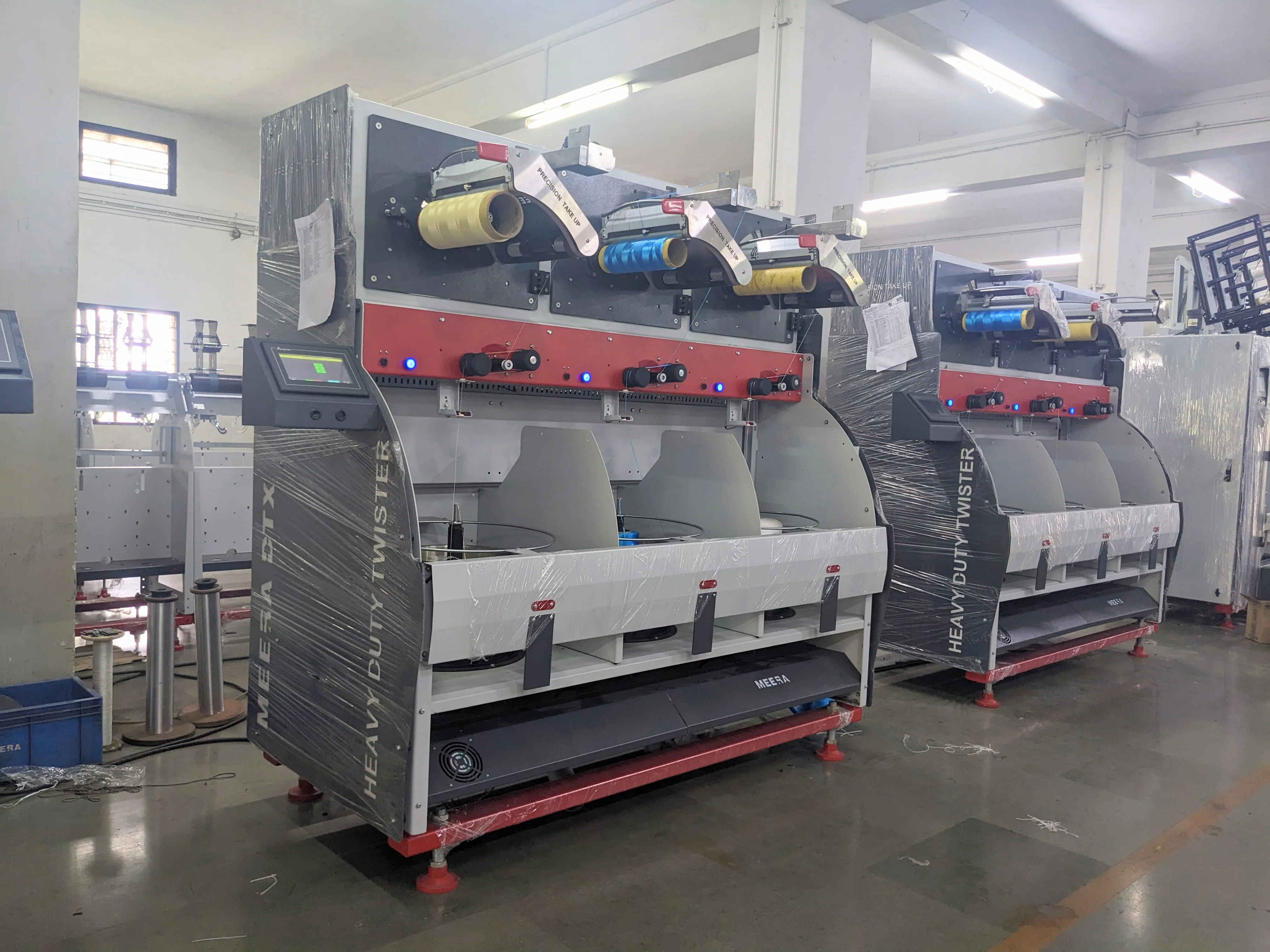
Manufacturers of high-performance ropes and cords face the challenge of producing products that meet stringent strength, durability, and safety standards. The demand for kevlar rope twisting machines and aramid cord twisters has surged, driven by industries such as aerospace, defense, and marine, where the superior properties of aramid fibers are indispensable. To address this need, Meera Industries offers advanced twisting solutions tailored for processing aramid fibers, ensuring optimal product quality and operational efficiency.
Key Takeaways
- High-Speed Twisting: Meera's machines achieve spindle speeds up to 10,000 RPM, facilitating efficient production of aramid ropes.
- Versatile Denier Range: Capable of handling yarns from 50 to 2,000 denier, accommodating various application requirements.
- Energy Efficiency: Innovative designs reduce energy consumption by up to 40% compared to traditional systems.
- Precision Control: Advanced tension and twist control mechanisms ensure consistent product quality.
- Comprehensive Applications: Suitable for producing ropes used in aerospace, defense, marine, and industrial sectors.
Understanding Kevlar and Aramid Fibers
Aramid fibers, including the well-known brand Kevlar®, are synthetic fibers characterized by exceptional strength-to-weight ratios, high thermal stability, and resistance to abrasion and chemicals. These properties make them ideal for applications requiring durability and performance under extreme conditions. In rope manufacturing, aramid fibers provide enhanced tensile strength and longevity, essential for critical applications in various industries.
Types of Twisting Machines for Aramid Ropes
Twisting machines designed for aramid fibers vary based on the specific requirements of the end product. Key types include:
- Ring Twisters: Utilize a ring and traveler system to impart twists, suitable for producing high-strength ropes with precise twist control.
- Two-for-One (TFO) Twisters: Insert two twists per spindle revolution, enhancing production efficiency and uniformity.
- Compound Twisters: Combine ply and cable twisting in a single operation, reducing processing time and energy consumption.
Each machine type offers distinct advantages, and the choice depends on factors such as desired rope characteristics, production volume, and operational efficiency.
Meera's Twisting Machines for Aramid Fibers
Meera Industries provides a range of twisting machines optimized for aramid fiber processing. Below is a comparison of select models:
| Model | Type | Key Spec 1 | Key Spec 2 | Key Spec 3 | Best For |
|---|---|---|---|---|---|
| Ring Twister | Ring Twister | Spindle speed up to 10,000 RPM | Denier range: 50–2,000 | Max package weight: 2 kg | High-strength ropes for aerospace and defense applications |
| Filament Yarn Twister | TFO Twister | Spindle speed up to 18,000 RPM | Denier range: 30–300 | Suitable for S/Z twist | Fine-denier ropes for marine and industrial applications |
| Compound Twister | Compound Twister | Mechanical speed up to 6,000 RPM | Denier range: 500–15,000 (ply) | Energy consumption reduced by 40% | Large-diameter ropes requiring simultaneous ply and cable twisting |
These machines are engineered to meet the rigorous demands of aramid fiber processing, ensuring high-quality output and operational efficiency.
Material Selection Guide
Selecting the appropriate aramid fiber is crucial for achieving desired rope properties. Below is a comparison of common aramid types:
| Fiber Type | Tensile Strength (GPa) | Elongation at Break (%) | Thermal Stability (°C) | Best For |
|---|---|---|---|---|
| Kevlar® 29 | 3.6 | 2.4 | 160 | General-purpose ropes requiring high strength |
| Kevlar® 49 | 4.0 | 2.0 | 160 | High-modulus ropes for aerospace applications |
| Twaron® | 3.7 | 2.5 | 150 | Ropes needing a balance of strength and flexibility |
Understanding these properties aids in selecting the right fiber for specific applications, ensuring optimal performance and durability.
Industry Standards and Certifications
Compliance with industry standards is essential for ensuring product quality and safety. Relevant standards include:
- ISO 9554:2010: General requirements for fiber ropes.
- ISO 2307:2019: Determination of certain physical and mechanical properties of ropes.
- ASTM D6775-13: Standard test method for breaking strength and elongation of textile webbing, tape, and braided materials.
Adhering to these standards ensures that aramid ropes meet the necessary performance criteria for their intended applications.
Applications by Industry
Aramid ropes are utilized across various industries due to their exceptional properties:
- Aerospace: Used in parachute cords and tethering systems requiring high strength and low weight.
- Defense: Employed in ballistic applications and protective gear due to their impact resistance.
- Marine: Ideal for mooring lines and towing ropes, offering durability and resistance to environmental factors.
- Industrial: Utilized in lifting slings and safety harnesses where high tensile strength is critical.
The versatility of aramid ropes makes them indispensable in applications where performance and safety are paramount.
Addressing Common Buyer Challenges
Buyers often encounter challenges such as ensuring consistent product quality, managing production costs, and meeting industry standards. Meera Industries addresses these concerns by offering machines with advanced tension control systems, energy-efficient designs, and compliance with international standards, ensuring reliable and cost-effective production of aramid ropes.
Market Trends and Developments
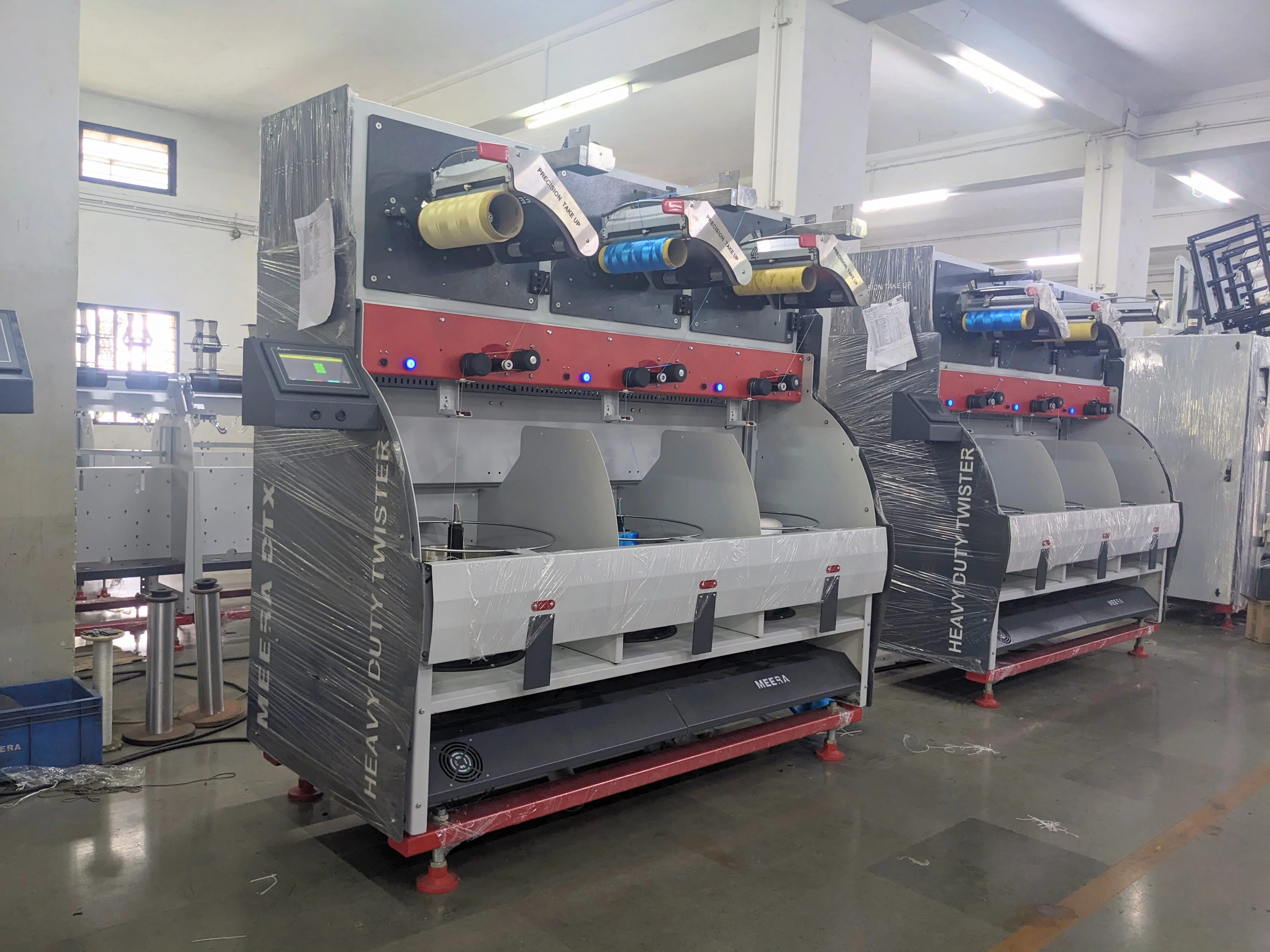
The global aramid fiber market is experiencing significant growth, with a projected CAGR of 8.2% from 2025 to 2030. This growth is driven by increasing demand in defense, aerospace, and industrial applications. Technological advancements in twisting machinery, such as Meera's Compound Twister, are enhancing production efficiency and product quality, positioning manufacturers to capitalize on this expanding market.
Why Choose Meera Industries?
Meera Industries stands out due to its comprehensive range of twisting machines tailored for aramid fiber processing. With a focus on innovation, energy efficiency, and compliance with industry standards, Meera provides solutions that enhance production capabilities and product quality. Their global presence and commitment to customer support further solidify their position as a preferred partner in the industry.
Buyer's Guide: Selecting the Right Twisting Machine
When choosing a twisting machine for aramid ropes, consider the following factors:
- Denier Range: Ensure the machine accommodates the specific denier of your yarns.
- Production Speed: Evaluate spindle speeds and delivery rates to meet production targets.
- Energy Efficiency: Opt for machines with energy-saving features to reduce operational costs.
- Compliance: Verify that the machine meets relevant industry standards and certifications.
Meera Industries offers a variety of machines that cater to these considerations, ensuring optimal selection for your production needs.
Z twists?**
A: Yes, Meera's twisting machines are capable of producing both S and Z twists, providing versatility for various rope specifications.
Q: What denier ranges can Meera's Filament Yarn Twister accommodate?
A: The Filament Yarn Twister is designed for yarns ranging from 30 to 300 denier, suitable for fine-denier aramid ropes.
Q: How does the Compound Twister improve production efficiency?
A: The Compound Twister combines ply and cable twisting in a single operation, reducing energy consumption by 40% and cutting production time by 50% compared to traditional methods.
Q: Does Meera provide after-sales support for their machines?
A: Yes, Meera Industries offers comprehensive after-sales support, including installation, training, and maintenance services to ensure optimal machine performance.
What is the capacity of the kevlar rope twisting machine?
Meera's kevlar rope twisting machine can handle cords up to 8000 denier, making it suitable for heavy-duty applications.
Does the machine meet any specific standards?
Yes, the machine complies with ISO 9001:2015 standards, ensuring high quality and reliability.
What makes Meera's machines unique?
Meera offers customizable solutions tailored to specific industrial needs, backed by robust customer support.
What industries benefit from these machines?
Industries such as defense, aerospace, and marine benefit from the durability and efficiency of kevlar and aramid rope twisting machines.
How should I choose the right machine for my needs?
Consider the machine's capacity, compatibility with existing systems, and specific industry requirements when selecting a twisting machine.
What are the current market trends for these machines?
There is a growing demand for aramid cords in defense and aerospace sectors, driving innovation in twisting machine technology.
What maintenance is required for these machines?
Regular maintenance includes checking tension settings, lubricating moving parts, and ensuring all components are free from wear and tear.