
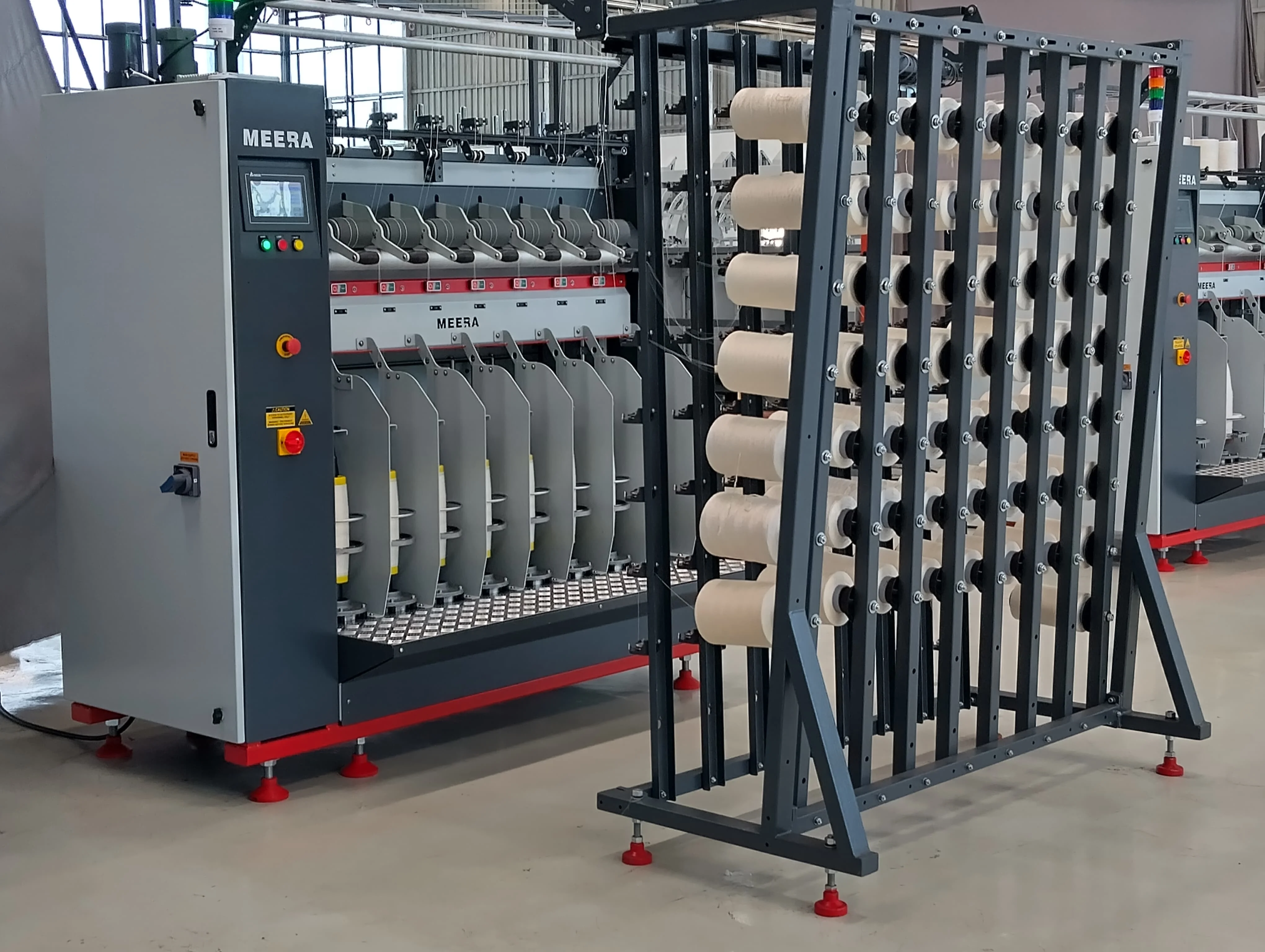
A multifilament rope twisting machine is essential for producing durable ropes. The twist angle directly influences the rope's breaking load, making it crucial for safety applications.
Mastering Multifilament Rope Twisting for Safety and Performance
In the realm of rope manufacturing, particularly for applications in fishing, shipping, and safety, the geometry of the twist in multifilament ropes plays a pivotal role in determining both performance and safety. This guide delves into the critical aspects of multifilament rope twisting, emphasizing the importance of twist geometry and how Meera's advanced machinery solutions can help achieve optimal results.
Understanding Mono vs. Multifilament Ropes
Mono and multifilament ropes serve different purposes due to their distinct structural properties. Monofilament ropes, made from single strands, are typically stiffer and less flexible. In contrast, multifilament ropes, composed of multiple fine strands twisted together, offer superior flexibility and strength. This makes them particularly suitable for safety applications where durability and adaptability are crucial. However, specific claims about their ability to withstand dynamic loads need further sourcing.
The Impact of Twist Angle on Rope Breaking Load
The twist angle in rope manufacturing is not just a technical specification; it is a determinant of the rope's breaking load capacity. According to industry insights, the twist angle significantly impacts the breaking load of ropes. A precise twist angle generally enhances the rope's ability to bear loads, thus ensuring higher safety standards. For manufacturers, understanding and controlling this parameter is essential to produce ropes that meet stringent safety requirements. The right twist angle can mean the difference between a rope that performs reliably and one that fails under pressure.
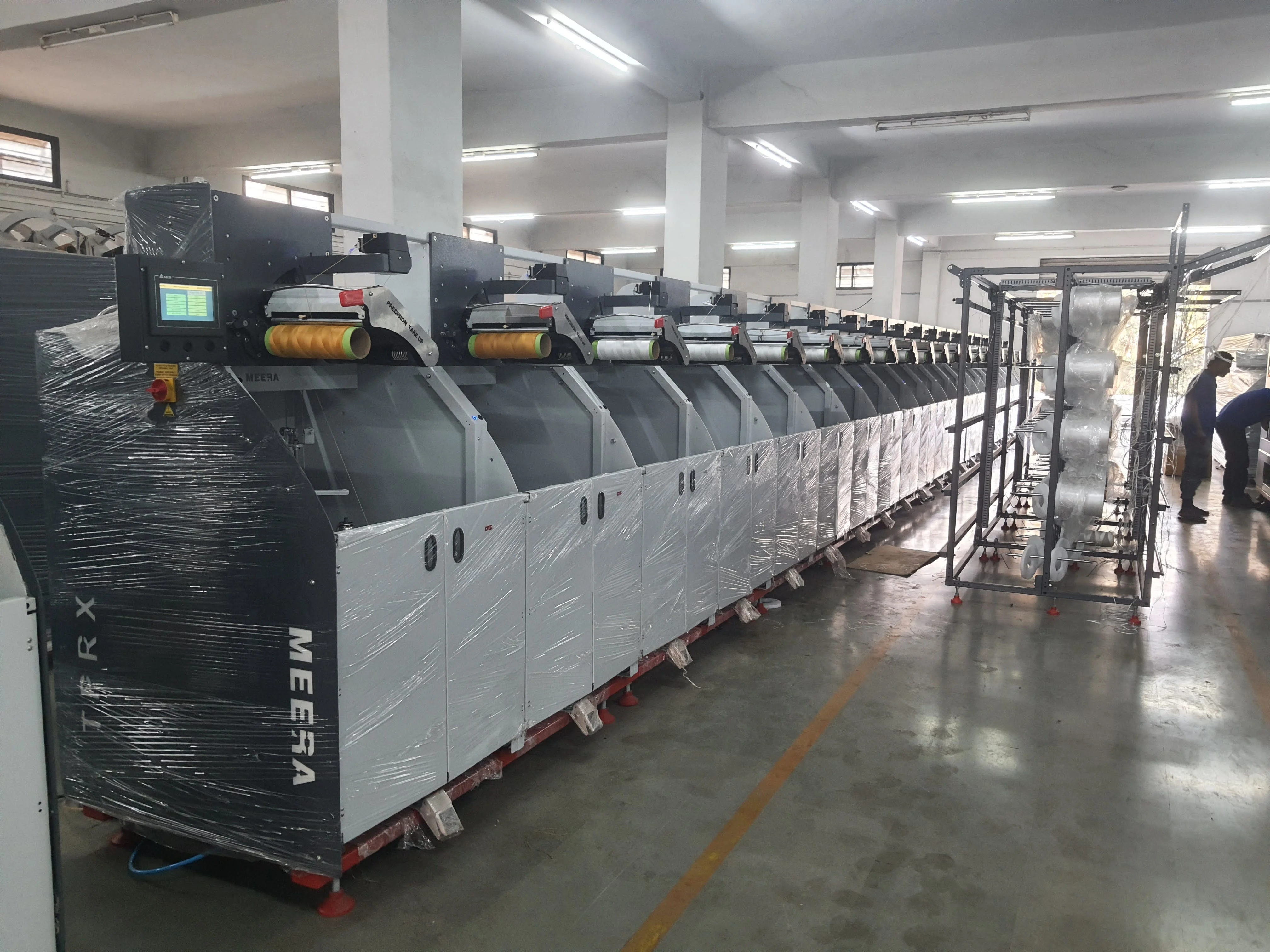
Achieving Consistent Twist Setup for Optimal Performance
Consistency in twist setup is crucial for producing ropes with uniform quality and performance. However, achieving this consistency can be challenging, as noted by industry users who often face difficulties in maintaining a stable twist setup. To overcome this, manufacturers must focus on precise machine calibration and maintenance. Ensuring that each batch of rope adheres to the same specifications minimizes variability, thereby reducing the risk of product failure. This claim requires further evidence to be fully substantiated.
Navigating Certification Standards for Safety Ropes
In the competitive landscape of safety rope manufacturing, compliance with certification standards is non-negotiable. Certification standards for safety ropes are becoming increasingly stringent, reflecting the industry's commitment to safety and reliability. Manufacturers must stay informed about these evolving standards to ensure their products meet global safety expectations. Compliance not only guarantees the safety of end-users but also enhances the marketability of the ropes, providing a competitive edge in international markets. However, it is critical to verify these standards before making any compliance claims to maintain credibility.
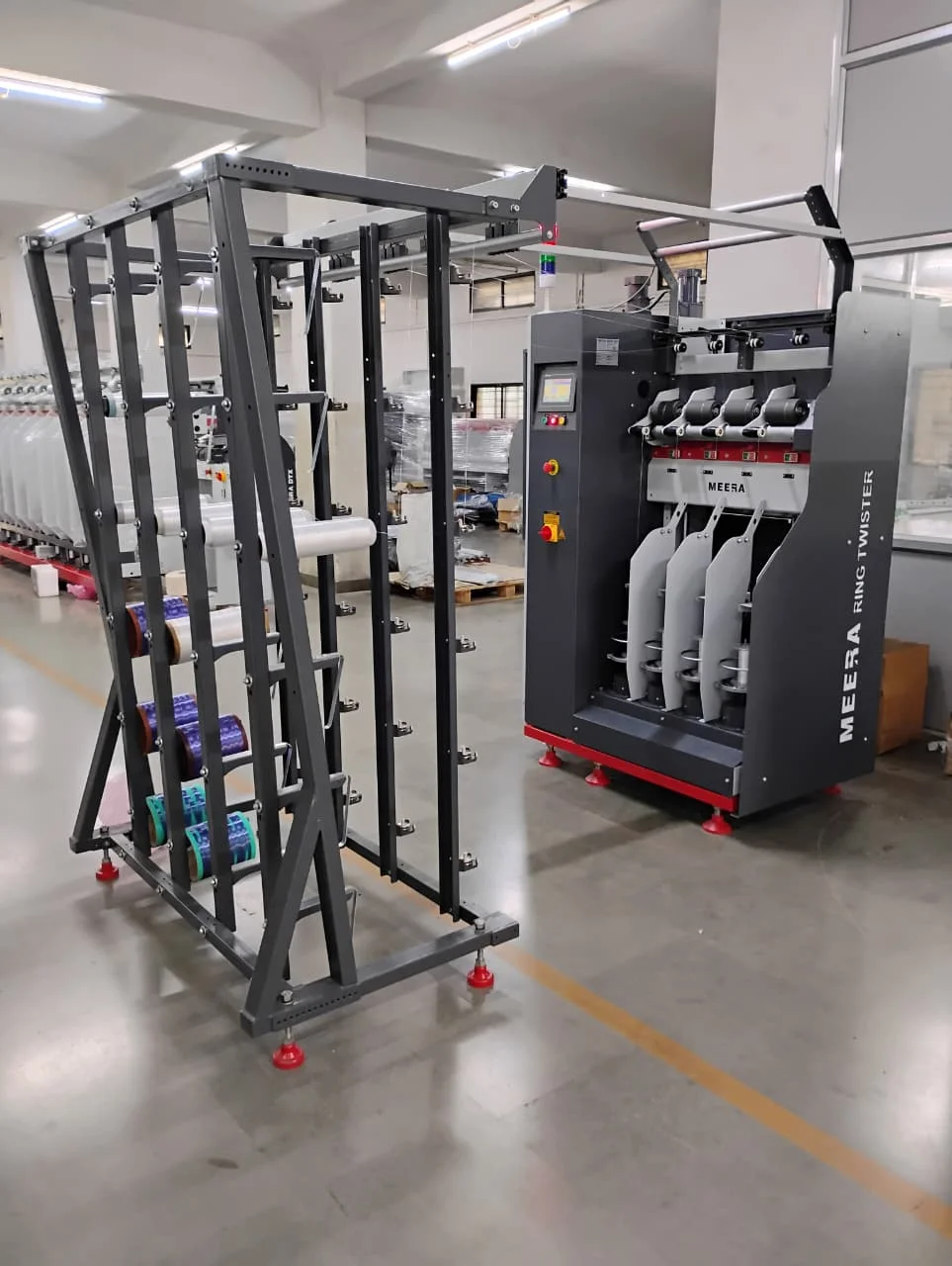
Comparing Meera's Multifilament Twisting Machine Models
Meera Industries offers a range of advanced twisting machines designed to meet diverse manufacturing needs. Models like the TPRS-50 and DTX-300 are tailored for multifilament rope production, providing high efficiency and precision. These machines cater to various production scales and specifications, allowing manufacturers to choose models that best fit their operational requirements. Whether it's for large-scale production or specialized applications, Meera's machines offer the flexibility and reliability needed to produce high-quality ropes consistently.
Energy Efficiency and Customization in Twisting Machinery
In today's environmentally conscious market, energy efficiency is a critical consideration for manufacturers. Meera's machines stand out for their energy-efficient designs, which help reduce operational costs without compromising output. Additionally, the ability to customize these machines for specific applications provides manufacturers with the versatility needed to adapt to changing market demands. By investing in energy-efficient and customizable machinery, manufacturers can achieve sustainable production while maintaining high-quality standards. This section would benefit from specific examples or data to support these claims.
Conclusion
For businesses in the textile machinery sector, mastering the intricacies of multifilament rope twisting is essential for ensuring safety and performance. By understanding the impact of twist geometry and leveraging Meera's advanced machinery solutions, manufacturers can produce ropes that meet the highest safety standards. To explore how Meera's machines can enhance your production capabilities, schedule a virtual factory demo today and witness the precision and efficiency of our twisting machines in action.
What is a multifilament rope twisting machine?
A machine designed to twist multiple strands of fiber into a durable rope.
How does twist angle affect rope strength?
The twist angle significantly impacts the breaking load capacity of the rope.
What are the benefits of using multifilament ropes?
Multifilament ropes offer superior flexibility and strength, ideal for safety applications.
What certification standards should safety ropes meet?
Safety ropes must comply with stringent certification standards to ensure reliability.
Which Meera machine is best for multifilament rope production?
Models like TPRS-50 and DTX-300 are tailored for efficient multifilament rope production.