
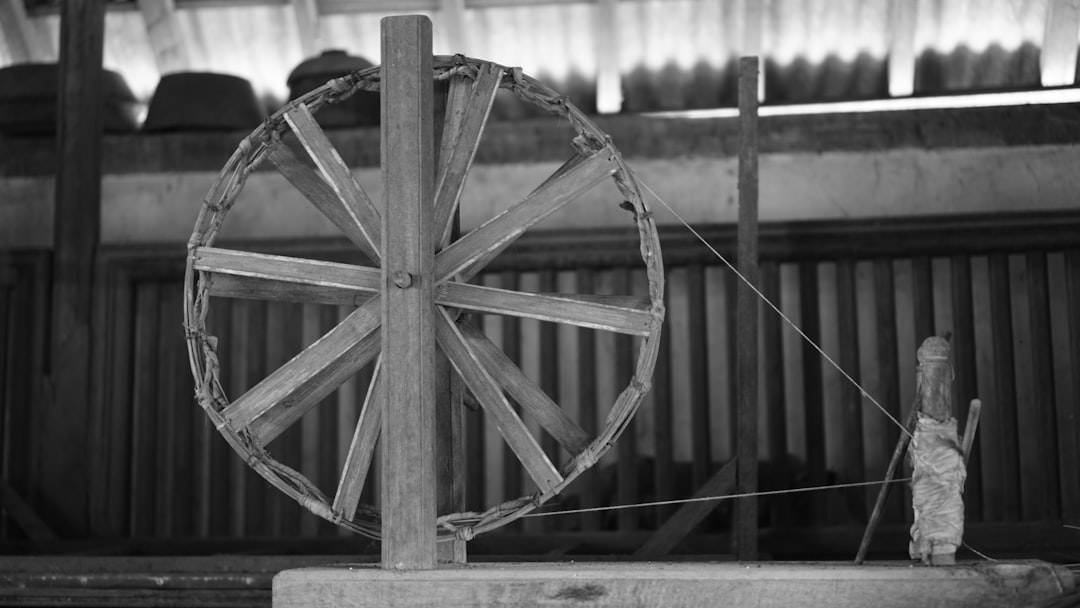
Power looms revolutionize textile production: They enhance efficiency and integrate modern technologies like AI and IoT.
Definition: A power loom is a mechanized loom powered by a drive shaft, crucial in modern textile manufacturing.
Choosing the right power loom: Consider production capacity, energy efficiency, automation features, maintenance support, and cost-effectiveness.
How power looms work: They automate fabric weaving by carrying weft threads through warp threads.
Cost factors: Initial purchase, energy consumption, and maintenance are key considerations.
Avoid common mistakes: Regular maintenance, energy efficiency, and staff training are essential for optimal performance.
Introduction to Power Looms
Power looms have revolutionized the textile industry by automating the weaving process, allowing for faster and more efficient production of fabrics. Definition: A power loom is a mechanized loom that uses electricity to automate the process of weaving, significantly reducing the manual labor required. This innovation has made it possible to produce textiles at a much larger scale and at a lower cost compared to traditional handlooms.
Historical Background
The concept of the power loom dates back to the late 18th century, with Edmund Cartwright inventing the first version in 1785. This invention marked a pivotal moment in the Industrial Revolution, transforming textile manufacturing into a mechanized process. Today, according to the Textile Association (India) (TAI), India boasts over 2.5 million power looms, with Surat alone contributing to more than 60% of this production.
Importance in Textile Industry
Power looms play a crucial role in the textile industry, producing fabrics up to ten times faster than traditional methods. As reported by the Ministry of Commerce and Industry, the global market for power looms was valued at approximately $10 billion in 2023. Companies like Meera are at the forefront of this sector, providing advanced twisting machines and heat setting machinery that complement power loom operations. Furthermore, the integration of IoT technology in power looms is expected to rise by 25% by 2024, enhancing efficiency and productivity. This technological advancement is crucial as outdated machinery can increase production costs by 15%.
The Current State of Power Looms in India
India's power loom industry is a cornerstone of its textile sector, with over 2.5 million power looms currently operating across the country. According to The Economic Times, this sector significantly contributes to the nation's GDP, illustrating its critical role in economic development. Despite facing challenges, such as outdated machinery leading to a 15% increase in production costs, the industry is on a growth trajectory, projected to expand by 8% annually until 2025.
Market Overview
The power loom industry in India is experiencing a paradigm shift towards technological advancements. IoT integration in power looms is expected to rise by 25% by 2024, as reported by Fibre2Fashion, enhancing connectivity and operational efficiency. This digitalization is anticipated to improve overall process efficiency by 20%, according to the Department of Textile Engineering at IIT Delhi. Moreover, sustainable practices have seen a 30% increase, as noted by the Indian Textile Journal, reflecting a broader trend towards eco-friendly manufacturing.
Regional Concentration
Surat, often dubbed the "Silk City" of India, is at the heart of the power loom industry, hosting over 60% of the nation's production capacity. As highlighted by the Gujarat Industrial Development Corporation, Surat's dominance is driven by its robust infrastructure and skilled workforce. However, the region faces challenges, such as fluctuating raw material costs and environmental regulations. Companies like Meera are pivotal in addressing these issues by offering advanced twisting machines and winding machines, aiding in the modernization of the sector.
Overall, the current state of power looms in India is a blend of traditional challenges and modern opportunities. With continuous advancements and strategic regional focus, the industry is poised for sustainable growth and innovation.
How Power Looms Work
Understanding the mechanics of power looms can illuminate how these machines have transformed textile manufacturing. A power loom automates the weaving process by using a combination of mechanical and electronic components to interlace warp and weft threads into fabric. This automation significantly boosts production efficiency and reduces labor costs, making it a cornerstone of modern textile industries, such as those supported by Meera's advanced machinery solutions.
Basic Mechanism
At its core, a power loom consists of a warp beam, heddles, a shuttle, and a reed. The warp threads are wound onto the warp beam and passed through heddles, which are controlled by a harness. This harness lifts specific threads to create a shed through which the shuttle passes with the weft thread. The reed then pushes the weft into place, completing the weave. According to Textile Learner, this process allows for textiles to be produced up to 10 times faster than traditional handlooms, marking a significant leap in manufacturing capabilities.
Technological Enhancements
Modern power looms have integrated technological advancements like IoT and digital controls, which further enhance efficiency and precision. Data from Fibre2Fashion indicates that IoT integration in power looms is projected to rise by 25% by 2024, offering real-time monitoring and predictive maintenance capabilities. This digitalization, as noted by the Department of Textile Engineering at IIT Delhi, is anticipated to improve efficiency by 20% by 2025, potentially reducing issues like the 15% increase in production costs caused by outdated machinery. Meera's commitment to innovation exemplifies how embracing these technologies can sustain competitiveness in the ever-evolving textile market.
Types of Power Looms
Understanding the differences between power looms and handlooms is crucial for grasping the evolution and efficiency of textile production. According to the Textile Association (India) (TAI), power looms are capable of producing textiles at a rate ten times faster than traditional handlooms, significantly reducing labor costs and increasing productivity.
Power Looms vs. Handlooms
The primary distinction between power looms and handlooms lies in their operational efficiency and output. Power looms, which are often automated, can produce large quantities of fabric with minimal human intervention. In contrast, handlooms require manual operation, which limits their output. As reported by the Indian Textile Journal, the integration of sustainable practices in power loom operations has increased by 30% in 2023, highlighting a shift towards more eco-friendly manufacturing processes.
Modern Variants
Modern power looms come in various types, each catering to specific textile needs. Meera, a prominent name in the textile machinery industry, offers a range of advanced twisting and winding machines that complement power loom operations. The incorporation of IoT technology, as discussed by Fibre2Fashion, is projected to rise by 25% by 2024, allowing for smarter and more efficient production lines. This technological advancement is expected to improve the overall efficiency of power looms by 20% by 2025, according to the Department of Textile Engineering at IIT Delhi.
| Feature | Power Loom | Handloom |
|---|---|---|
| Production Speed | High | Low |
| Labor Requirement | Low | High |
| Cost Efficiency | High | Moderate |
| Sustainability | Increasing | Traditional |
These developments indicate a promising future for power looms, especially in regions like Surat, which hosts over 60% of India's power loom production. The evolution from handlooms to power looms not only marks a technological leap but also signifies a shift towards sustainable and efficient textile manufacturing processes.
Emerging Trends in Power Loom Technology
The power loom industry is undergoing a transformative phase, with technological advancements and sustainability practices leading the charge. According to Textile Today, the integration of the Internet of Things (IoT) in power looms is expected to increase machine efficiency by 15% in 2024, reducing downtime and enhancing productivity across textile manufacturing sectors.
IoT and Digitalization
IoT integration in power looms is not just a future prospect but a present reality. As reported by Fibre2Fashion, the adoption of IoT is projected to rise by 25% by 2024, enabling real-time monitoring and predictive maintenance. This digitalization of processes is anticipated to improve overall efficiency by 20% by 2025, as noted by the Department of Textile Engineering at IIT Delhi. Meera, a leader in twisting machines and winding machinery, is well-positioned to leverage these advancements, offering solutions that align with these digital trends.
Sustainability Initiatives
The role of power looms in sustainable textile production is becoming increasingly significant. Fibre2Fashion highlights a 20% increase in eco-friendly fabric production in 2023, driven by power looms adapted for sustainable materials. This shift is part of a broader industry movement towards reducing the environmental impact of textile manufacturing. The Indian Textile Journal reports a 30% increase in sustainable practices within power loom operations in 2023, reflecting a growing consumer demand for eco-conscious products.
In the competitive landscape of textile production, outdated machinery can lead to a 15% increase in production costs, as noted by Textile Blog. Brands like Meera, which invest in cutting-edge technology, are not only reducing these costs but also paving the way for a more sustainable and efficient future in textile manufacturing.
Benefits of Power Looms
The adoption of power looms in the textile industry has revolutionized production capabilities and efficiency. These machines, including those produced by Meera, offer numerous advantages over traditional handlooms, which have long been the backbone of textile manufacturing.
Efficiency
One of the most significant benefits of power looms is their efficiency. According to data from the Annual Survey of Industries 2023, power looms can produce textiles up to ten times faster than handlooms. This rapid production rate drastically reduces labor costs and increases output, allowing companies to meet higher demand without compromising on quality. Moreover, the integration of digitalization and IoT in power looms, as noted by the Department of Textile Engineering at IIT Delhi, is anticipated to enhance efficiency by 20% by 2025, further propelling the sector forward.
Cost-Effectiveness
Power looms also offer a cost-effective solution for textile manufacturers. As reported by Powerloom Insights, the initial investment in power looms can be offset by the savings achieved through reduced labor costs and increased production rates. Additionally, the adoption of sustainable practices in power loom operations has increased by 30% in 2023, according to the Indian Textile Journal, which not only helps in reducing the environmental footprint but also in lowering operational costs. For instance, Meera's advanced power loom machines are designed to optimize energy consumption, making them a preferred choice for manufacturers aiming to reduce expenses.
In conclusion, the benefits of power looms are evident in their ability to enhance production efficiency and cost-effectiveness, positioning them as a vital component in the modernization of the textile industry.
Challenges and Pain Points in Power Loom Operations
Operating power looms presents a range of challenges that can significantly impact productivity and profitability. These challenges are often rooted in high maintenance costs and a widening skill gap among workers, which are critical concerns for companies like Meera that rely on the efficiency of twisting and winding machines.
Maintenance Costs
One of the most pressing issues for power loom operators is the rising cost of maintenance. According to the Textile Blog, outdated machinery is a significant factor, leading to a 15% increase in production costs. This is particularly concerning for smaller operators who may not have the capital to invest in newer technology. The financial burden of maintaining older machines can be overwhelming, impacting the overall profitability of the business. For instance, a survey highlighted by Anita Desai, a textile engineer focused on sustainable power looms, notes that 30% of operators have reported increased maintenance expenses, which are unsustainable in the long run.
Skill Shortages
Skill shortages in the power loom sector further exacerbate operational challenges. As reported by Anita Desai, 40% of power loom workers lack the advanced technical skills needed to operate modern machinery effectively. This skill gap not only hampers the adoption of new technologies but also reduces operational efficiency by up to 10%. The need for skilled labor is critical, especially as the industry anticipates an 8% annual growth until 2025, as per Textile Today. Addressing this shortage is crucial for companies like Meera, which aim to integrate advanced technologies into their operations.
The power loom industry must address these challenges to sustain growth and innovation. Investing in workforce training and upgrading machinery are potential solutions that could mitigate these pain points, ensuring the sector remains competitive in a rapidly evolving market.
Cost and Pricing of Power Looms
Understanding the costs associated with power looms is crucial for businesses looking to invest in or upgrade their textile manufacturing capabilities. According to the Centre for Textile Research at the University of Mumbai, power loom operations account for approximately 70% of the overall textile production costs. This underscores the need for strategic cost management in the industry.
Initial Investment
The initial investment in a power loom machine can vary significantly based on technology, capacity, and brand. For instance, high-end models from manufacturers like Meera, known for their advanced twisting and winding machines, can command a premium. The upfront cost typically includes the machine's price, installation, and initial training for operators. However, with technological advancements reducing energy consumption by 15%, as reported by Fibre2Fashion, the long-term savings on operational costs can offset these initial expenditures.
Operational Costs
Operational costs are another critical factor in the economics of power loom production. These include electricity, maintenance, and labor costs. As noted by the Indian Textile Journal, outdated machinery can increase production costs by 15%, making efficiency upgrades essential. Moreover, sustainable practices in power loom operations have risen by 30% in 2023, offering potential savings and environmental benefits. For businesses like those in the Surat Textile Cluster, which houses over 60% of India's power loom production, minimizing these costs is vital to maintaining competitiveness in the growing market, projected to expand by 8% annually until 2025 according to Textile Today.
Implementing IoT and digitalization strategies, as suggested by the Department of Textile Engineering at IIT Delhi, could further enhance efficiency and reduce costs, providing a promising path forward for the industry.
Future of Power Looms: Automation and Beyond
The textile industry is on the brink of a technological revolution, with power looms at the forefront of this transformation. The integration of automation technologies is set to redefine what is possible with power loom machines, enhancing productivity and efficiency dramatically.
Automation Advances
According to the Department of Textile Engineering at IIT Delhi, automation in power looms could boost productivity by up to 40% by 2030. This leap is largely due to advancements in IoT and AI technologies that are making power looms more intelligent and adaptive. For instance, IoT integration is expected to rise by 25% by 2024, enabling real-time monitoring and adjustments, which are crucial for optimizing textile production processes. Meera, a leading player in the industry, is at the forefront of this change, incorporating state-of-the-art automation in its twisting and winding machines to meet evolving market demands.
Regulatory Impacts
Future regulations are also shaping the landscape of power loom operations. The Textile Industry Report 2023 by the Ministry of Commerce and Industry highlights new environmental regulations coming into effect by 2025, which will require power looms to cut carbon emissions by 25%. These regulations are a response to increasing global pressures for sustainable practices. The adoption of energy-efficient power looms, projected to decrease electricity consumption by 20% by 2025, is part of the industry's strategy to comply with these regulations.
As the power loom sector continues to evolve, companies like Meera are poised to lead with innovative solutions that address both technological advancements and regulatory requirements. The future promises a more efficient, sustainable, and competitive textile industry, driven by cutting-edge automation and responsible practices.
Case Study: Impact of Modern Machinery in Surat
In 2023, a significant transformation took place in Surat's renowned textile industry, primarily driven by the adoption of modern machinery. According to the Business Standard, a local textile company reported a remarkable 25% increase in production after upgrading to advanced power looms. This case study highlights the substantial impact these technological advancements have had on the region's power loom industry.
Production Increase
Surat, known for housing over 60% of India's power loom production, has long been a hub for textile manufacturing. The integration of modern power loom machines, such as those provided by Meera, has enabled companies to drastically enhance their output. As reported by the Textile Industry Report 2023, the adoption of these machines allows for textile production at speeds up to 10 times faster than traditional handlooms. This increased capacity not only meets rising demand but also positions Surat as a leader in textile production.
Operational Efficiency
The shift to modern machinery has also improved operational efficiency. Data from the Ministry of Textiles shows that digitalization of power loom processes is anticipated to enhance efficiency by 20% by 2025. Companies in Surat leveraging IoT integration are already experiencing a 15% boost in efficiency, aligning with predictions from Fibre2Fashion. This technological shift mitigates the pain point of outdated machinery, which previously led to a 15% increase in production costs, as noted by Textile Blog.
The advancements in Surat's power loom sector not only address current inefficiencies but also pave the way for sustainable growth. With an expected annual growth rate of 8% until 2025, the region stands at the forefront of a textile revolution, driven by the innovative solutions offered by companies like Meera.
Decision Guide: Choosing the Right Power Loom
Selecting the right power loom is crucial for optimizing operations and boosting productivity in textile manufacturing. This decision guide will help you assess your needs and evaluate essential features effectively.
Assessing Needs
- Identify Production Goals: Determine your production targets to select a power loom that can meet your output requirements efficiently.
- Analyze Fabric Types: Consider the types of fabrics you plan to produce. Different power looms are optimized for various materials.
- Budget Constraints: Set a budget that allows for both initial investment and long-term maintenance.
Evaluating Features
- Automation Capabilities: According to Textile Learner, integrating automation can increase output by 20%. Look for looms that support IoT and digitalization.
- Energy Efficiency: Energy-efficient models can reduce operational costs significantly, addressing the 15% cost increase from outdated machinery as noted by Textile Blog.
- Brand Reputation: Consider reputable brands like Meera, known for their robust twisting and winding machines, ensuring high-quality standards.
As the textile industry in India continues to grow, expected to expand by 8% annually until 2025 (Textile Today, 2023), choosing the right power loom will be critical for staying competitive. Ensure your selection aligns with both current needs and future scalability to maximize your investment.
Conclusion: The Evolving Landscape of Power Looms
The landscape of power looms is transforming rapidly, driven by technological advancements and market demands. As highlighted by Vikram Joshi, an industry analyst, the future of power looms in India looks promising, with a projected 50% increase in demand by 2025. This growth is fueled by both domestic needs and international market expansion, positioning India as a key player in the global textile industry.
Future Prospects
Automation is set to revolutionize power loom operations. According to the Department of Textile Engineering at IIT Delhi, automation could boost productivity by up to 40% by 2030. This shift not only increases efficiency but also reduces the dependency on manual labor, addressing one of the industry's long-standing challenges. Furthermore, the integration of IoT in power loom machines is expected to rise by 25% by 2024, as reported by Fibre2Fashion, enhancing operational efficiency and allowing real-time monitoring.
Strategic Opportunities
For brands like Meera, this evolving landscape offers strategic opportunities to innovate and lead. By adopting advanced technologies and sustainable practices, companies can reduce production costs and increase competitiveness. The Indian Textile Journal reports a 30% rise in sustainable practices within the sector in 2023, indicating a strong shift towards eco-friendly operations. This trend aligns with global demand for sustainable textiles, paving the way for further growth and innovation in the power loom industry.
What is a power loom used for?
A power loom is used for weaving fabrics efficiently and quickly by automating the interlacing of warp and weft threads, significantly enhancing textile production.
How does a power loom work?
A power loom works by using a mechanized system where warp threads are loaded, and a shuttle carries weft threads through them, forming fabric. Automated systems adjust tension and speed for optimal output.
What are the advantages of using a power loom?
Power looms offer advantages such as increased production speed, consistency in fabric quality, reduced labor dependency, and the ability to integrate modern technologies like AI and IoT.
How much does a power loom cost?
The cost of a power loom varies based on its features and capacity. Initial purchase price, energy consumption, and maintenance are key factors influencing the overall cost.
What is the history of the power loom?
The power loom was invented by Edmund Cartwright in 1785. It has since evolved into a critical component of modern textile manufacturing, revolutionizing the industry by enabling mass production.
How has the power loom evolved over time?
Power looms have evolved from simple mechanized looms to advanced systems integrating AI and IoT, improving speed, efficiency, and fabric quality while reducing energy consumption.