
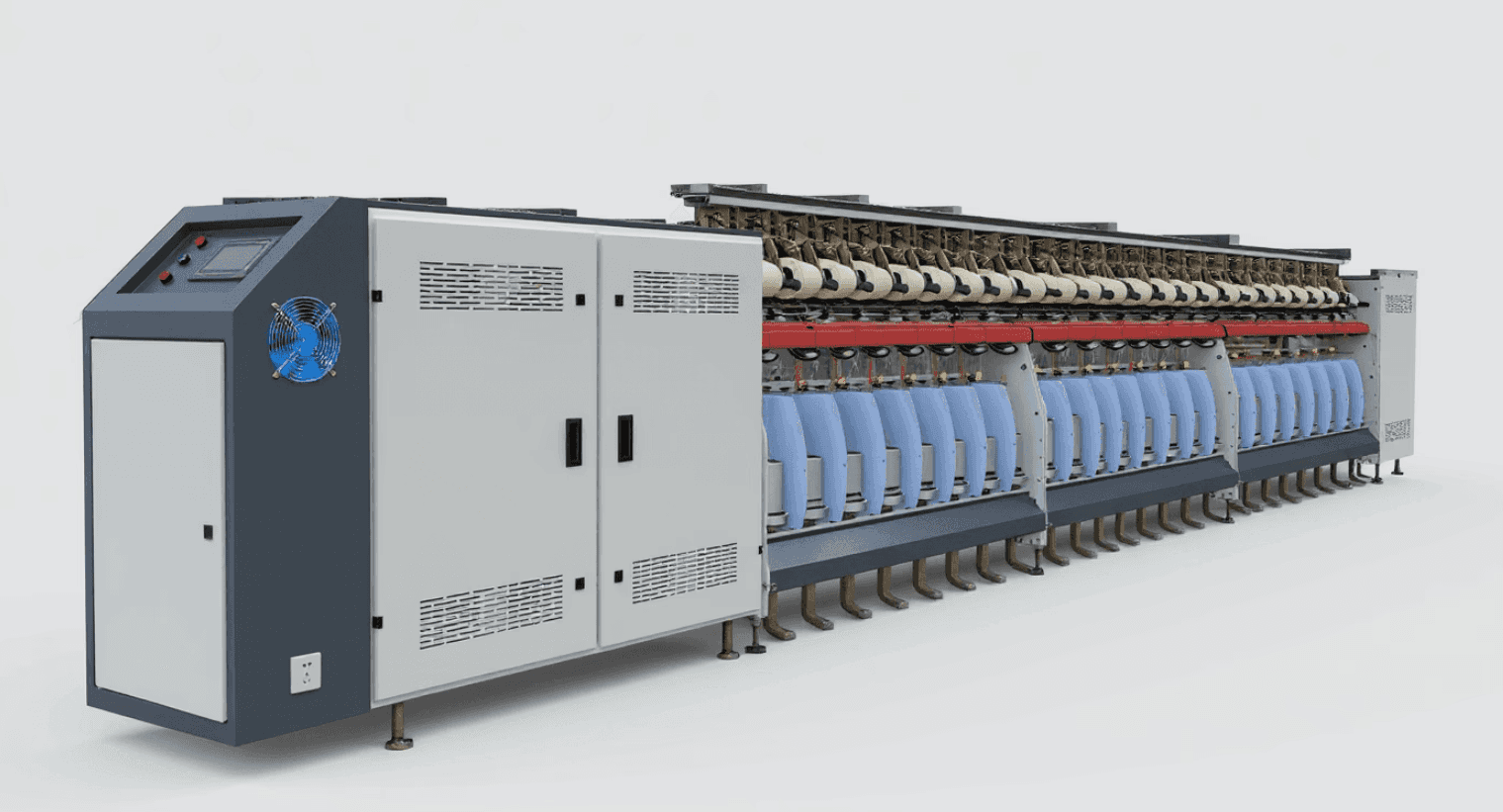
PP fibrillated yarn twisting requires specialized machinery and setup for optimal performance in woven sacks, focusing on tension control, denier selection, and traverse length optimization.
Parameters & Setup for PP Fibrillated Yarn Twisting in Woven Sacks
PP fibrillated yarn twisting is a critical process in the production of woven sacks, requiring specialized machinery and precise setup to ensure optimal performance. This article explores the key parameters and setups necessary for effective twisting, focusing on the unique challenges posed by PP fibrillated yarn. By understanding these parameters, technical decision-makers in textile manufacturing can enhance efficiency and quality in their production processes.
Understanding PP Fibrillated Yarn and Its Applications
PP fibrillated yarn is renowned for its strength and durability, making it a preferred choice for woven sacks used in heavy-duty applications. The unique structure of fibrillated yarn provides enhanced tensile strength, which is essential for the robustness required in FIBC and jumbo bags. This yarn type is particularly suitable for applications where the material must withstand significant stress and environmental factors, such as in the storage and transportation of bulk goods. Understanding the characteristics of PP fibrillated yarn is crucial for manufacturers aiming to produce high-quality woven sacks that meet industry standards.
Tape vs. Round Yarn: Key Differences in Twisting
Twisting PP fibrillated yarn presents distinct challenges compared to round yarn, primarily due to its tape-like structure. Tape yarn requires more precise tension control during twisting to maintain consistency and prevent defects. Unlike round yarn, which can tolerate slight variations in tension, tape yarn's flat profile necessitates careful adjustment of machinery settings to achieve the desired twist level. Meera's advanced twisting machines are designed to accommodate these requirements, offering customizable solutions that cater to various denier ranges and applications. This capability is essential for manufacturers seeking to optimize their production processes and ensure consistent product quality.
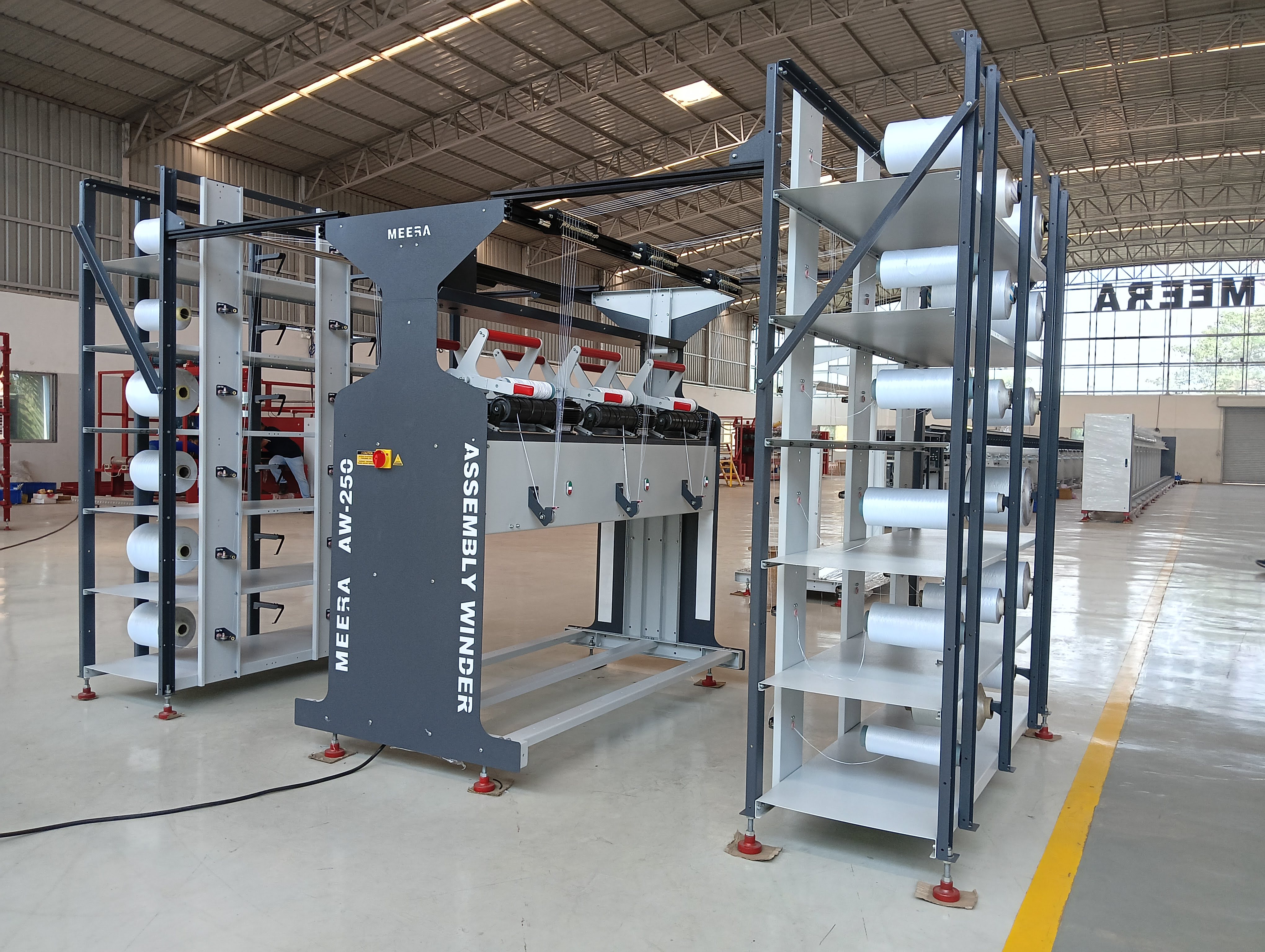
The denier of a yarn significantly influences the quality and grade of woven sacks. Higher denier yarns offer greater durability and strength, which are crucial for heavy-duty applications like jumbo bags. However, using higher denier yarns may require adjustments in machine settings to accommodate the increased thickness and ensure proper twisting. Manufacturers must carefully evaluate their specific application needs and select the appropriate denier to achieve the desired balance between durability and process efficiency. This decision impacts not only the performance of the final product but also the operational costs and production timelines.
Traverse Length Considerations for Coreless Winding
When winding twisted yarns, the traverse length plays a pivotal role in achieving efficient and uniform winding. Meera's winding machines support various traverse lengths, including a 6-inch traverse for coreless winding, which is particularly relevant for PP fibrillated yarns used in woven sacks. An incorrect traverse length can lead to uneven winding, resulting in increased material waste and potential defects in the final product. By optimizing the traverse length, manufacturers can enhance the efficiency of their winding processes, reduce waste, and improve the overall quality of their products.
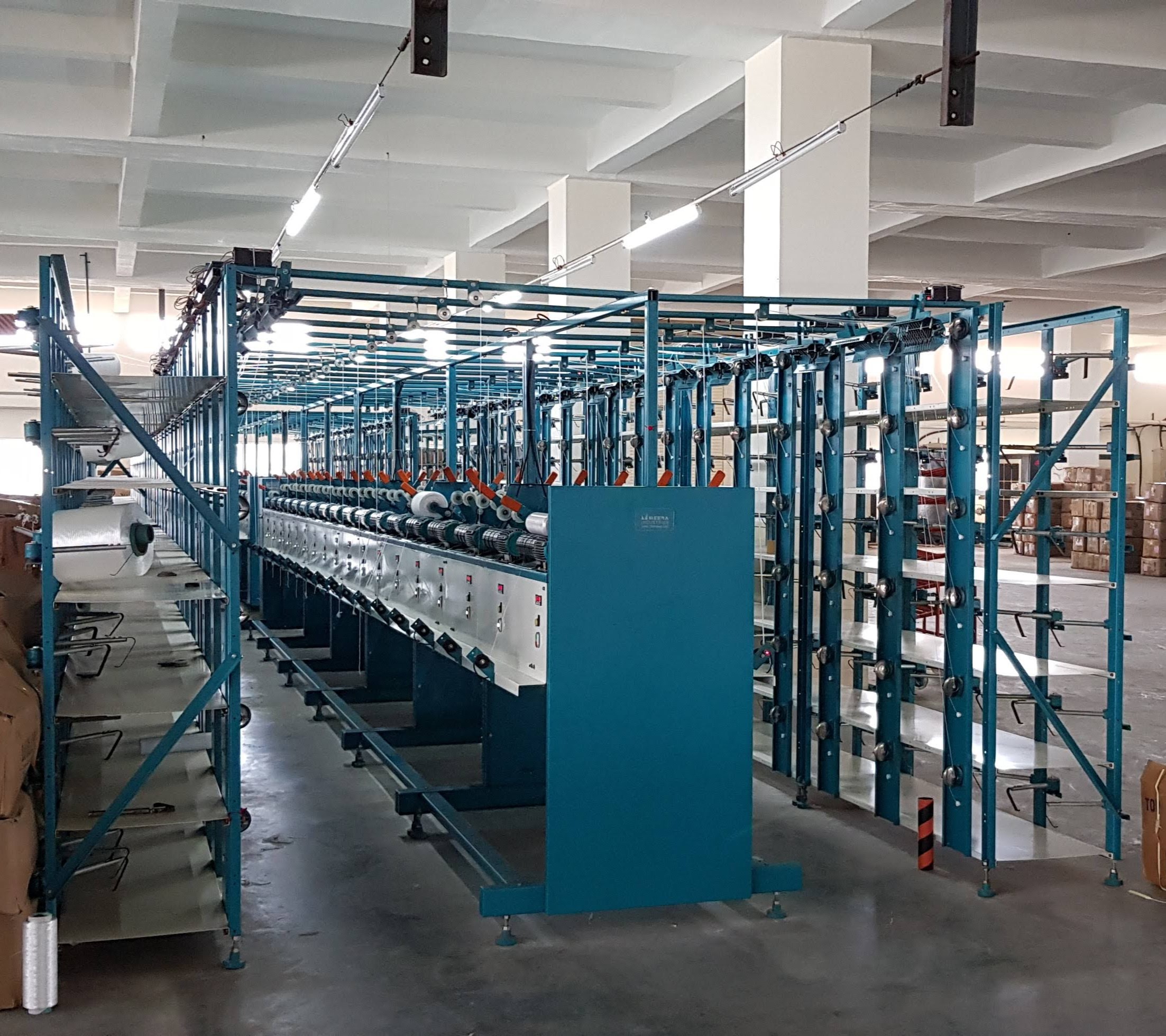
Choosing between TFO (Two-for-One) and ring twisting methods depends on the specific needs of the production process. TFO twisting is preferred for its efficiency in yarn production, offering faster processing speeds and reduced labor costs. However, the initial setup costs for TFO machines can be higher compared to ring twisting. Manufacturers must weigh these factors against their production goals and budget constraints. Meera's TFO machines aim to provide cost-effective solutions while maintaining quality, making them an attractive option for those seeking to enhance production efficiency.
Common Defects in PP Yarn Twisting and Their Solutions
Achieving consistent twist levels across batches is a common challenge in PP yarn twisting, often resulting in defects that can compromise product quality. To address this, manufacturers should ensure regular machine calibration and maintenance to maintain precision in the twisting process. Additionally, investing in advanced machinery with precise control capabilities can significantly reduce defect rates and improve overall production consistency. By understanding and mitigating these common defects, manufacturers can enhance their operational efficiency and product quality, ultimately leading to greater customer satisfaction.
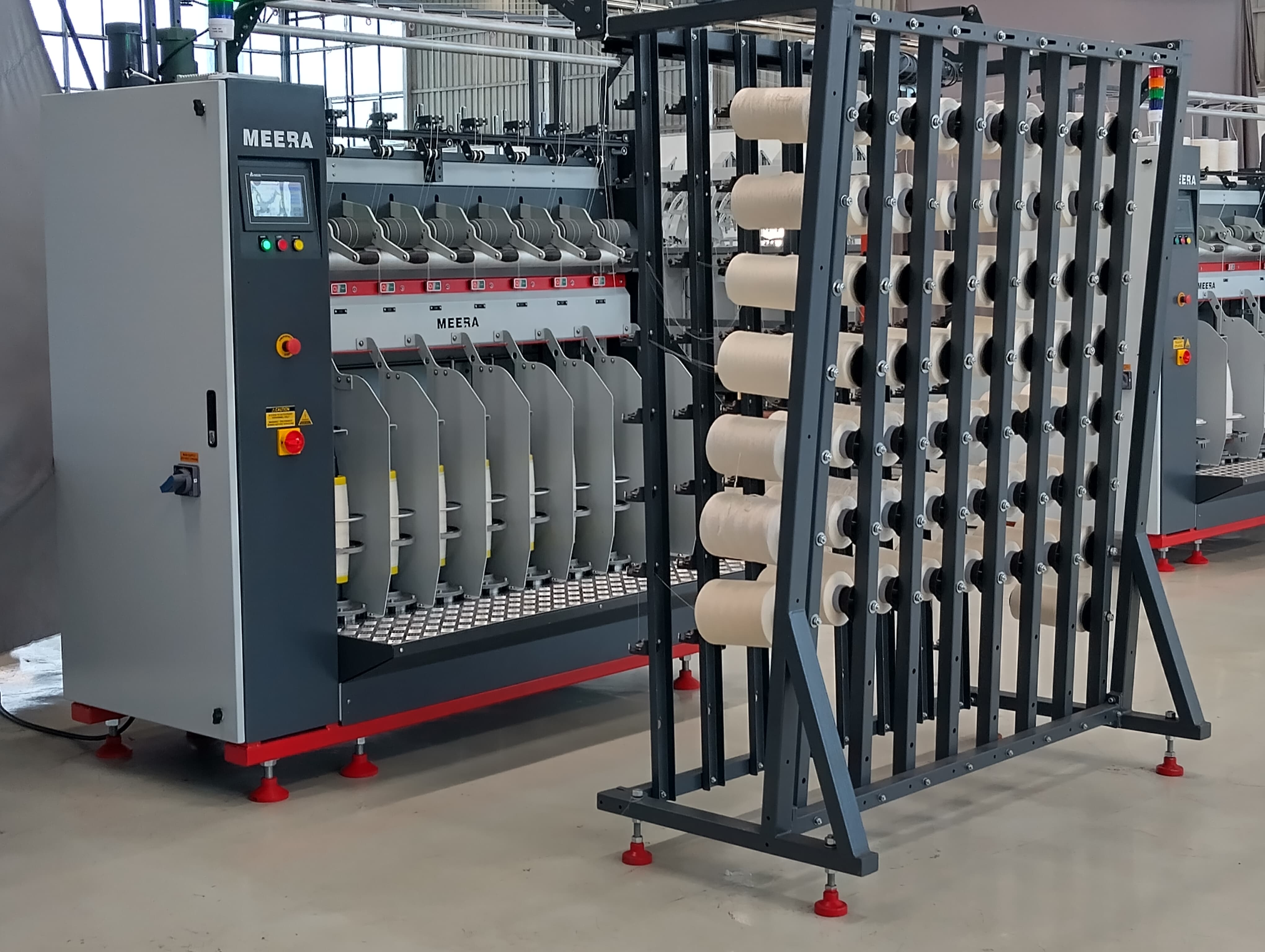
Optimizing the parameters and setup for PP fibrillated yarn twisting is essential for producing high-quality woven sacks. By leveraging Meera's advanced machinery and understanding the unique challenges of PP fibrillated yarn, manufacturers can achieve superior efficiency and product quality. To experience the capabilities of Meera's machinery firsthand, we encourage readers to request a PP twisting sample trial, allowing them to explore the potential improvements in their production processes.
What is PP fibrillated yarn used for?
It is primarily used in woven sacks due to its strength and durability.
How does denier affect woven sack quality?
Higher denier yarns provide greater durability but may require machine adjustments.
What is the optimal traverse length for winding?
A 6-inch traverse is recommended for coreless winding of twisted yarns.
What are common defects in PP yarn twisting?
Inconsistent twist levels can occur, often due to improper machine calibration.
What are the advantages of TFO twisting?
TFO twisting is more efficient but has higher initial setup costs compared to ring twisting.