
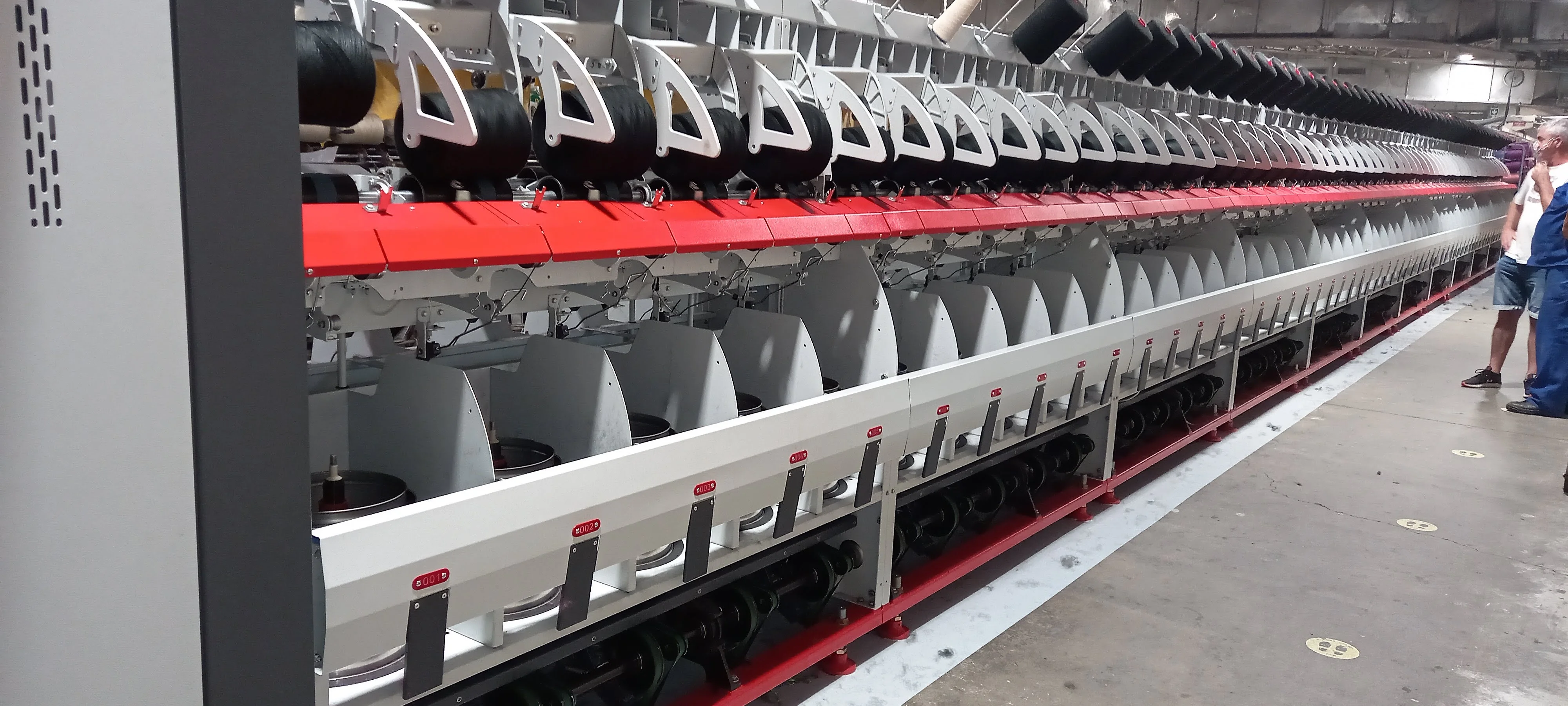
- Efficiency Boost: TFO machines increase production speed by up to 40%, crucial for competitive edge.
- Energy Savings: These machines reduce power consumption by 20%, enhancing sustainability.
- Investment Growth: TFO machines account for 30% of new machinery investments in Gujarat.
- Export Impact: Adoption of TFO machines has driven a 15% increase in Surat's textile exports.
- Top Models: Meera's TFO models lead the market with advanced features and energy efficiency.
Introduction
In the rapidly evolving textile industry, the rise of TFO (Two-for-One) machines in Gujarat is a game-changer that cannot be overlooked. For textile manufacturers in Surat, a city known for its thriving textile sector, these machines are transforming production processes and enhancing efficiency. This article is intended for industry stakeholders, including manufacturers, suppliers, and investors, who are keen to understand how TFO machines are reshaping the textile landscape in Gujarat.
Readers will discover how TFO machines have become pivotal in boosting Surat’s textile exports by 15% in 2023, as reported by The Economic Times. Additionally, they will learn about the significant investment shift, with TFO machines accounting for 30% of new textile machinery investments in Gujarat, according to Textile World. These machines not only improve production speed by up to 40% but also contribute to energy savings, reducing power consumption by 20%.
This surge in TFO machine adoption is a reflection of the broader trend towards automation and efficiency in India’s textile sector. With Gujarat contributing 30% to the country's textile machinery production, understanding these developments is crucial for staying competitive. As Meera, a leading machine manufacturer in Surat, continues to innovate with advanced twisting and winding machinery, the industry is poised for further growth.
As we delve deeper into this topic, we will explore the specifics of TFO machines and their impact on the textile industry, providing insights that are both timely and relevant for decision-makers.
What Is a TFO Machine?
Definition: A TFO machine, or Two-for-One machine, is a specialized textile machine used for twisting yarns, doubling the capacity of traditional twisting methods by producing two twisted yarns from a single spindle operation.
Definition and Historical Context
The TFO machine revolutionized the textile industry by offering a significant leap in operational efficiency and productivity. Initially developed to address the limitations of traditional twisting machines, TFO machines allow for faster production speeds and reduced labor costs. Historically, traditional twisting machines required multiple steps to achieve the same output that a TFO machine can produce in a single operation. This advancement is particularly crucial for regions like Surat, a hub for textile production in India, where efficiency and scalability are paramount.
Industry Impact and Relevance
In today’s textile industry, TFO machines are indispensable, particularly in high-volume production areas such as Gujarat. According to Textile Today, TFO machines can increase production speeds by up to 40% compared to their traditional counterparts. This efficiency is vital for manufacturers looking to stay competitive in a rapidly evolving market.
Pooja Shah, a textile consultant, emphasizes that TFO machines have reduced production time by 30% in her recent projects, highlighting their impact on operational efficiency. The demand for automated textile machinery in India has surged by 20% in recent years, driven by the need for higher productivity and cost-effectiveness.
In Gujarat, TFO machines now account for 30% of new textile machinery investments, reflecting their critical role in the region's industrial growth. Meera, a leading machine manufacturer in Surat, continues to innovate in this space, ensuring that their machines not only meet but exceed industry standards. As reported by the Annual Textile Industry Report 2023, the adoption of TFO machines is a key driver behind the 15% increase in Surat's textile exports, further underscoring their significance.
By integrating TFO machines into their production lines, manufacturers are able to achieve better yarn quality and consistency, which are essential for meeting global textile standards. This shift is not just a technological upgrade but a strategic move to enhance competitiveness and sustainability in the textile sector.

In the dynamic landscape of Gujarat's textile industry, the adoption of TFO machines has been pivotal in elevating production efficiency and quality. Surat, a major textile hub in India, has witnessed significant advancements through the integration of these machines. With the 2024 forecast predicting a 20% increase in demand for automated textile machinery in India, according to Yarn Market (Yarn Publications), understanding the top TFO machines available is crucial for manufacturers aiming to stay competitive.
1. Meera TFO Model A
The Meera TFO Model A stands out for its robust construction and high-speed operation, making it ideal for large-scale manufacturing setups. Key features include an advanced spindle design that allows for increased yarn production and a user-friendly interface that simplifies operation.
Pros: High efficiency, durable build, easy maintenance.
Cons: Higher initial investment compared to basic models.
When to Use: Best suited for manufacturers aiming to scale up production without compromising quality.
Practical Tip: Regular maintenance checks can enhance longevity and performance.
2. Meera TFO Model B
Building on the success of Model A, the Meera TFO Model B offers enhanced automation features and energy efficiency. This model reduces power consumption by up to 20%, making it a cost-effective choice in the long run.
Pros: Energy-efficient, advanced automation, lower operational costs.
Cons: Requires skilled operators for optimal use.
When to Use: Ideal for companies focusing on sustainable practices and cost reduction.
Practical Tip: Training sessions for operators can maximize the benefits of this model.
3. Competitor X Model
Competitor X Model is known for its compact design and versatility, catering to small and medium-sized enterprises. It offers a balance of speed and precision, making it a popular choice among startups.
Pros: Space-saving design, versatile applications.
Cons: Limited capacity for large-scale operations.
When to Use: Perfect for startups or businesses with limited floor space.
Practical Tip: Pair with complementary machinery to enhance overall production capacity.
4. Competitor Y Model
Competitor Y Model excels in offering high-speed twisting capabilities, significantly boosting output. It is equipped with cutting-edge technology that minimizes downtime, crucial for meeting tight production schedules.
Pros: High-speed operation, minimal downtime.
Cons: Higher maintenance requirements.
When to Use: Ideal for high-volume production environments where speed is critical.
Practical Tip: Implement a regular maintenance schedule to reduce potential downtimes.
Comparison Table
| Model | Speed (rpm) | Energy Efficiency | Automation Level | Maintenance Cost | Suitable For |
|---|---|---|---|---|---|
| Meera TFO Model A | 10,000 | Standard | Moderate | Low | Large-scale production |
| Meera TFO Model B | 9,500 | High | Advanced | Medium | Cost-effective operations |
| Competitor X Model | 8,000 | Moderate | Basic | Low | Small to medium enterprises |
| Competitor Y Model | 11,000 | Standard | Advanced | High | High-speed requirements |
As reported by Business Standard, a Surat-based company successfully implemented TFO machines, achieving a 20% increase in output in 2023. This case study exemplifies the transformative impact of the right TFO machine on production efficiency and market competitiveness.
Data from Textile World indicates that 30% of new textile machinery investments in Gujarat are TFO machines, highlighting their growing importance in the region's industrial fabric. For manufacturers in Gujarat, where the textile industry contributes significantly to the economy, choosing the right TFO machine is critical not just for operational efficiency but also for sustaining long-term growth.
With the continuous evolution of textile machinery, staying informed about the latest trends and technological advancements is essential for making informed purchasing decisions. The integration of advanced TFO machines not only boosts production capabilities but also aligns with sustainable manufacturing practices, a growing priority in today's industry landscape.
How to Choose the Right TFO Machine
Selecting the right TFO machine can significantly enhance textile production efficiency, especially in thriving hubs like Surat and Gujarat. With the textile industry facing rapid technological advancements, it's crucial to align machinery choices with production goals. Here's a comprehensive checklist to guide you in choosing the right TFO machine:
Assess Production Needs: Evaluate the volume and type of yarns your facility handles. For high-volume operations, a TFO machine with a higher spindle count may be ideal.
Energy Efficiency: Opt for machines that offer energy-efficient operations. According to the Textile Association (India) (TAI), energy-efficient machines can reduce power consumption by up to 20%, leading to significant cost savings.
Automation Level: With a reported 20% increase in demand for automated textile machinery in India (Yarn Market), consider machines that offer advanced automation features to minimize manual intervention and reduce labor costs.
Durability and Maintenance: Check for machines with robust construction and low maintenance needs. A TFO machine breakdown can lead to a 10% loss in production time (The Yarn Blog).
Vendor Reputation: Ensure the machine manufacturer in Surat, like Meera, has a strong track record and offers reliable after-sales support.
Cost vs. ROI: Consider the initial investment against potential productivity improvements. Machines that enhance production speed by up to 40% can justify higher upfront costs.
When Not Ideal
While TFO machines offer numerous benefits, they might not be suitable for all operations. Smaller textile units with low production needs may find the initial investment and maintenance costs prohibitive. In such cases, it might be more economical to focus on upgrading existing machinery incrementally.
Pro Tip: Engage with industry forums and workshops, such as those by TAI, to stay updated on the latest machine innovations and best practices. This knowledge can guide informed decisions and optimize your textile production strategy.
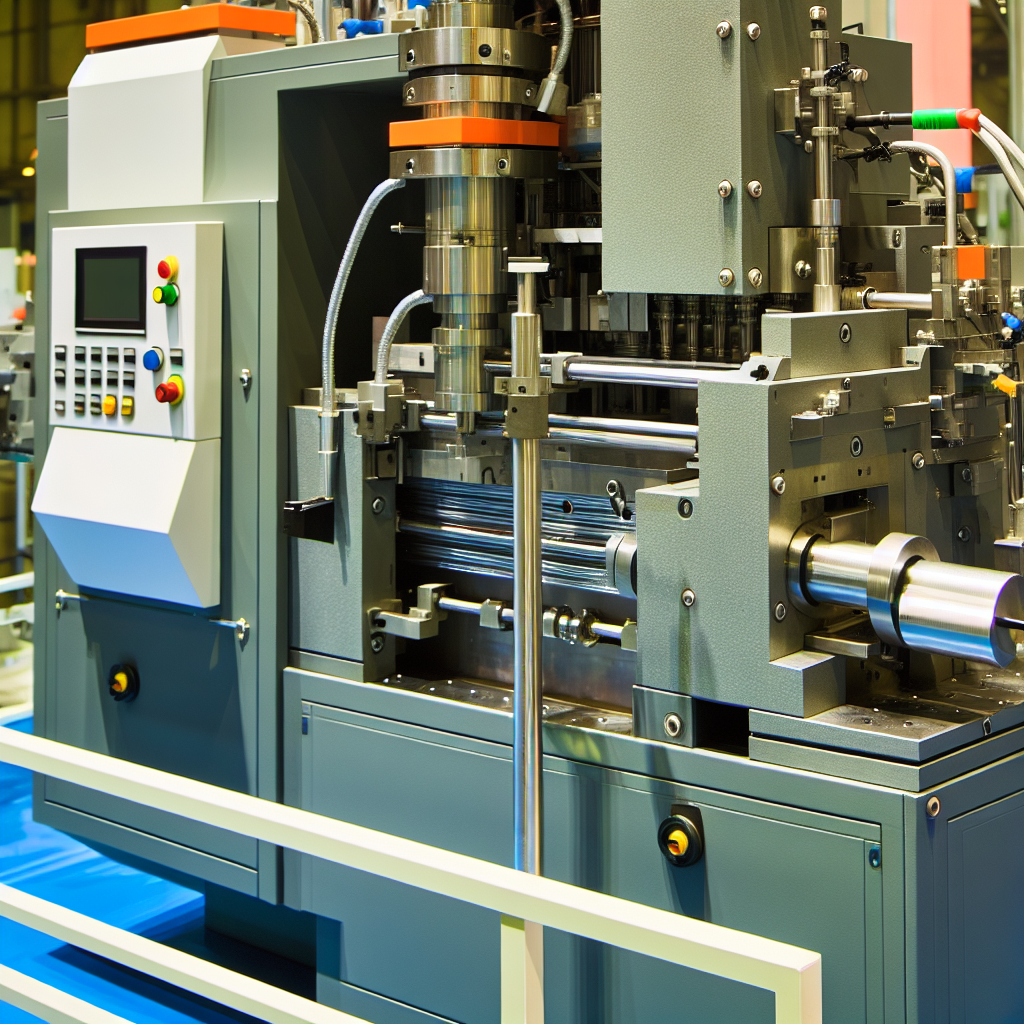
The integration of TFO machines in Surat's textile industry has been a game-changer, enhancing both productivity and quality. According to a case study reported by Business Standard, a Surat-based textile company experienced a 20% increase in output after implementing TFO machines in 2023. This section explores a step-by-step approach to integrating these machines successfully, with insights from industry practitioners.
Step-by-Step Integration
Assessment and Planning: Begin by evaluating your current production capabilities and identifying areas where TFO machines can make the most impact. For instance, if your facility handles a high volume of twisted yarns, TFO machines can significantly boost efficiency.
- Tip: Involve a consultant early in the process to tailor the machine setup to your specific needs.
Selection of Equipment: Choose machines that align with your production goals. As Pooja Shah, a textile consultant, notes on Instagram (@textilepooja), selecting the right model is crucial for reducing production time by up to 30%.
- Gotcha: Avoid the pitfall of opting for the cheapest machine, as it may lead to higher long-term costs due to inefficiencies or breakdowns.
Installation and Training: Proper installation is vital. Ensure that your staff is adequately trained to operate the new machinery to minimize downtime.
- Example: A textile unit in Surat reduced setup time by 15% by investing in comprehensive training programs.
Monitoring and Optimization: After installation, continuously monitor performance metrics to identify potential improvements. Use data analytics to optimize machine settings and reduce energy consumption.
- Practical Tip: Implement a regular maintenance schedule to prevent unexpected breakdowns, as TFO machine failures can lead to a 10% loss in production time (The Yarn Blog, 2023).
Feedback and Adjustment: Solicit feedback from operators and make necessary adjustments to enhance efficiency. This iterative process helps in maximizing the ROI of TFO machines.
- Real-World Example: A textile firm in Gujarat increased its production speed by 40% by fine-tuning machine operations based on operator input.
Real-World Example
The successful integration of TFO machines in Surat serves as a model for other textile hubs. With Meera, a prominent machine manufacturer in Gujarat, leading the charge, the region has seen a surge in productivity and reduced operational costs. This case demonstrates the transformative potential of TFO machines in modern textiles, emphasizing the importance of strategic planning and execution in machine integration.
Pricing and Cost Factors for TFO Machines
Understanding the pricing and cost factors of TFO machines is crucial for textile manufacturers, especially those located in Gujarat, a hub for the textile industry. According to the Center for Textile Research at Anna University, Gujarat's textile machinery market is projected to grow by 12% annually, driven by technological advancements and increasing demand for efficient production processes.
Cost Drivers
Several factors influence the cost of TFO machines in Gujarat. First, the level of automation and technology integrated into the machine can significantly impact the price. Machines with advanced features, such as energy efficiency and higher production speeds, tend to be more expensive but offer long-term savings. Second, the brand reputation and after-sales service provided by manufacturers like Meera play a vital role in the overall cost. Additionally, import duties and taxes can add to the expenses, especially for imported machinery.
Pricing Comparison
In Gujarat, TFO machines are available across various price ranges. Entry-level models start around INR 5 lakh, offering basic functionalities suitable for small-scale operations. Mid-range machines, priced between INR 10 to 15 lakh, provide a balance of cost and capability, ideal for medium-sized enterprises. Premium models, exceeding INR 20 lakh, boast cutting-edge technology and are best suited for large-scale manufacturers aiming for high efficiency and output.
While initial costs might seem steep, energy-efficient TFO machines can reduce power consumption by up to 20%, according to Textile Innovations. This efficiency can lead to substantial savings over time, making these machines a smart investment for long-term profitability.
For textile manufacturers in Surat and broader Gujarat, understanding these pricing dynamics is essential for making informed purchasing decisions. As the market continues to evolve, staying updated on the latest trends and technologies will ensure competitive advantage and operational efficiency.
Common Mistakes to Avoid with TFO Machines
In the rapidly evolving textile industry, TFO machines have become integral to maximizing efficiency and output. However, improper handling and maintenance can lead to significant setbacks. Here are common mistakes to avoid to ensure smooth operations.
Avoiding Pitfalls
Neglecting Regular Maintenance: Frequent breakdowns in TFO machines can lead to a 10% reduction in production time, as noted by The Yarn Blog. Regular maintenance is crucial. Instead, schedule routine checks to prevent unexpected downtimes.
Ignoring Operator Training: Operational inefficiencies can cost manufacturers up to 5% of their revenue, according to Rahul Mehta, CEO at Textile India. Proper training ensures operators can handle the machines efficiently. Instead, invest in comprehensive training programs to enhance productivity.
Overlooking Energy Efficiency: Energy-efficient machines can reduce power consumption by 20%. Overlooking this can lead to higher operational costs. Instead, prioritize energy-efficient models to save on utility bills.
Inadequate Spare Parts Inventory: Not having spare parts readily available can extend downtime. Instead, maintain an inventory of essential parts to facilitate quick repairs.
Underestimating the Importance of Upgrades: Failing to upgrade machines to keep up with technological advancements can leave companies at a competitive disadvantage. Instead, regularly evaluate the need for upgrades.
Industry Cautionary Example
A textile manufacturer in Surat faced a 10% drop in annual production due to consistent machine breakdowns, as reported by Spinning & Weaving. By implementing regular maintenance and operator training, they were able to recover lost productivity. This example underscores the importance of proactive management to avoid costly pitfalls.
Avoiding these common mistakes can significantly enhance operational efficiency and profitability for textile manufacturers in Gujarat and beyond. Meera, a leading machine manufacturer in Surat, emphasizes these best practices to ensure optimal performance of TFO machines.
Conclusion
The textile machinery industry in Gujarat is poised for a transformative future, driven by innovation and sustainability. According to the Department of Textile Engineering at IIT Delhi, advancements in technology are expected to improve textile machinery efficiency by 25% by 2025. This shift is critical for machine manufacturers in Surat and across Gujarat, who contribute significantly to India's textile output.
Vikram Patel, Director at Gujarat Spinners, highlights that a 40% adoption of sustainable machinery is anticipated by 2025, reflecting a growing trend towards eco-friendly production. For companies like Meera, known for their state-of-the-art twisting and winding machines, this presents an opportunity to lead in sustainable innovation.
Looking ahead, the focus will be on integrating automation and energy efficiency, as these factors not only reduce operational costs but also enhance production capabilities. With Gujarat's textile industry employing over 45 million people, the shift towards more advanced machinery will bolster both local and national economic growth.
For those invested in the textile sector, staying informed about these trends and innovations is crucial. Explore Meera's offerings at meeraind.com to stay ahead in this evolving landscape, where the future of textile machinery holds promising advancements.
What are the benefits of using TFO machines?
TFO machines offer numerous benefits including increased production speed, reduced labor costs, and enhanced yarn quality. They also contribute to energy savings, making them a cost-effective choice for manufacturers aiming to improve efficiency and sustainability.
How do TFO machines compare to traditional twisting machines?
Compared to traditional twisting machines, TFO machines double the output by producing two twisted yarns from a single spindle operation. They significantly reduce production time and labor costs, making them more efficient and economical for high-volume textile production.
What is the cost of TFO machines in Gujarat?
The cost of TFO machines in Gujarat varies based on the model and features. High-end models like Meera's TFO Model B, which offer advanced automation and energy efficiency, may require a higher initial investment but provide long-term savings through reduced operational costs.
Who are the leading machine manufacturers in Surat?
Meera is a leading machine manufacturer in Surat, renowned for its innovative TFO machines. The company continues to set industry standards with its advanced twisting and winding machinery, contributing significantly to the region's textile production capabilities.
How to maintain TFO machines effectively?
Effective maintenance of TFO machines involves regular checks and servicing to ensure optimal performance. Manufacturers should schedule routine inspections and provide operator training to address any technical issues promptly, thereby minimizing downtime and extending machine lifespan.
What are the latest trends in textile machinery?
The latest trends in textile machinery include a shift towards automation and energy efficiency. TFO machines are at the forefront, with features that enhance production speed and reduce energy consumption, aligning with the industry's focus on sustainability and cost-effectiveness.