
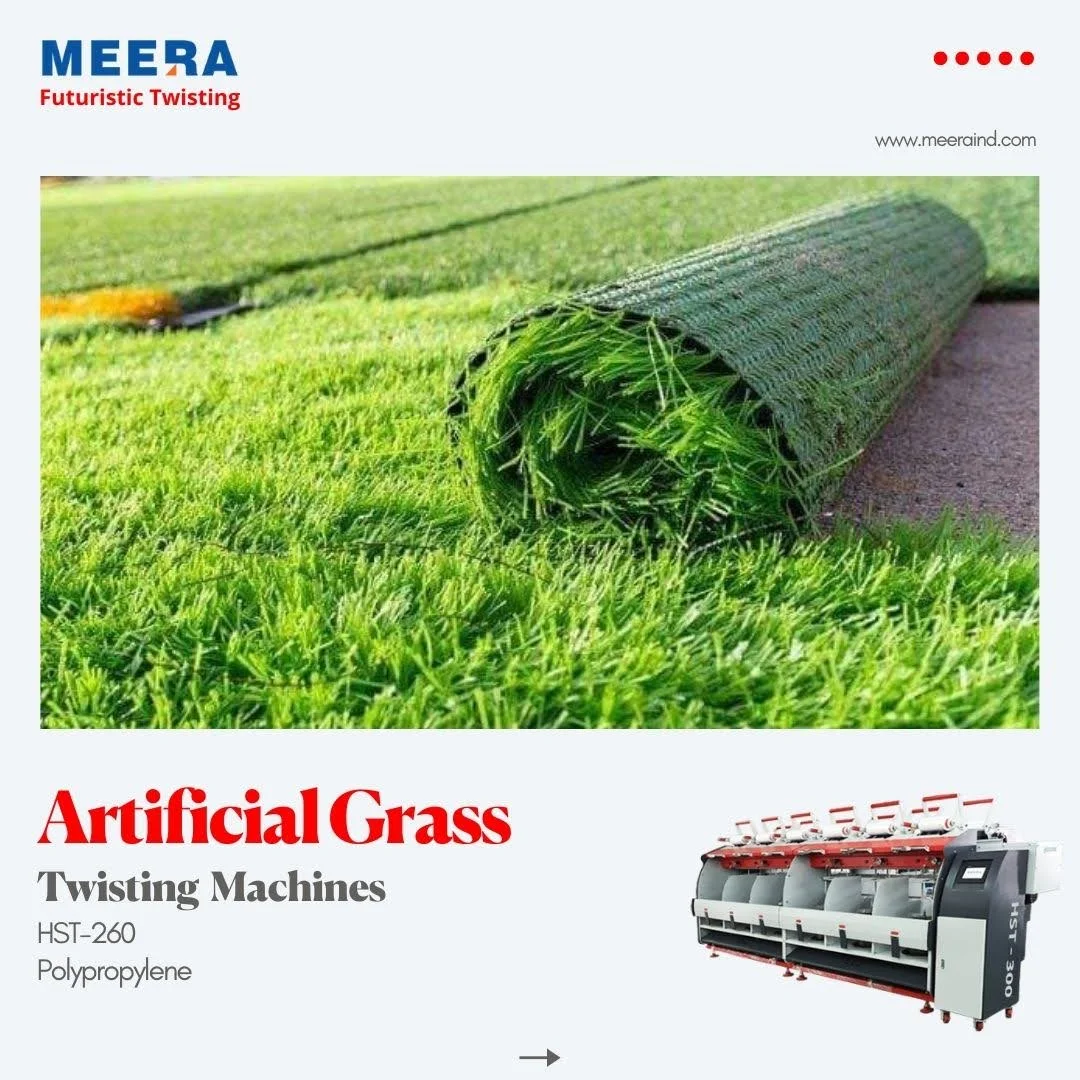
- Rising Demand: Artificial grass is increasingly popular due to its low maintenance and durability, driving the need for efficient twisting machines.
- Twisting Process: Essential for enhancing yarn strength and elasticity, ensuring high-quality artificial turf.
- Precision Importance: Accurate twisting is crucial for durability and aesthetic appeal, especially in sports applications.
- Meera's Innovation: The DTX-300 offers automatic operation and touchscreen controls, optimizing production efficiency.
- Market Growth: As demand for sustainable solutions grows, advanced twisting machines are vital for meeting consumer expectations.
Introduction to Grass Yarn Twisting Machines
The demand for artificial grass is on the rise, driven by its versatility and low maintenance compared to natural grass. This surge in artificial turf installations has, in turn, fueled the need for efficient grass yarn twisting machines. According to Textile Machinery News, the market for these machines is expanding as more industries, from sports facilities to residential landscaping, opt for artificial grass solutions.
The Growing Demand for Artificial Grass
Artificial grass has become increasingly popular due to its durability and ease of maintenance. It provides a reliable alternative for sports arenas, playgrounds, and urban landscaping projects where natural grass might struggle to thrive. The global shift towards eco-friendly and sustainable solutions also plays a role, as artificial grass requires no water, pesticides, or fertilizers. This trend is particularly noticeable in regions facing water scarcity, where artificial turf presents a viable solution to maintaining green spaces.
Role of Twisting Machines in Production
At the heart of artificial grass production are grass yarn twisting machines. These machines are crucial in the manufacturing process, ensuring that the yarns used in artificial turf are durable and consistent in quality. The twisting process enhances the strength and elasticity of the yarn, which is essential for the longevity and performance of the artificial grass. Companies like Meera, based in Surat, Gujarat, are at the forefront of providing high-quality twisting machines that cater to the evolving demands of the artificial grass industry. Meera's expertise in twisting machinery ensures that manufacturers can produce superior artificial grass that meets the stringent requirements of today's market.
As the demand for artificial grass continues to rise, the role of advanced twisting machines becomes even more critical. Manufacturers are constantly seeking innovations to improve efficiency and product quality, making the future of grass yarn twisting machines an exciting space to watch.
What is Artificial Grass Yarn Twisting?
Artificial grass yarn twisting is a crucial process in the manufacturing of artificial turf, which involves intertwining multiple strands of yarn to enhance strength and durability. This process is vital for creating the robust, resilient yarns necessary for high-quality artificial grass used in various applications such as sports fields, landscaping, and playgrounds.
Understanding the Twisting Process
The yarn twisting process begins with the selection of appropriate yarn materials, typically made from synthetic fibers like polyethylene or polypropylene. These materials are chosen for their durability, UV resistance, and ability to mimic the appearance and texture of natural grass. Once the base yarns are prepared, they undergo a procedure known as doubling and twisting.
Doubling involves combining two or more yarns together. This step is essential for achieving the desired thickness and strength needed for artificial grass. After doubling, the yarns are twisted tightly to form a single, cohesive strand. The twisting action not only binds the yarns together but also imparts elasticity and resilience, ensuring the artificial grass can withstand wear and tear from heavy usage.
According to insights from Quora Textile Engineering, the precision of the twisting process is pivotal. An incorrect twist can lead to weaker yarns that are prone to breakage, compromising the quality of the artificial turf. Therefore, manufacturers often rely on advanced twisting machines that offer precise control over the twisting parameters, ensuring consistency and quality in the final product.
Importance of Precision in Twisting
Precision in twisting is not just a matter of quality; it's a matter of efficiency and cost-effectiveness. As reported by a Reddit Textile Manufacturing Thread, even slight variations in twist can lead to significant discrepancies in the performance and longevity of artificial grass. This precision is particularly critical in sports applications where durability and performance are non-negotiable.
For manufacturers, investing in state-of-the-art grass yarn twisting machines, like those offered by Meera, can make a substantial difference. These machines are designed to deliver accurate, consistent twists, allowing for high-speed production without sacrificing quality. Meera's machines are equipped with advanced features that enable manufacturers to adjust twisting parameters easily, catering to different specifications required for various applications.
The importance of precision extends to the aesthetic aspect as well. Uniformly twisted yarns create a more natural appearance, which is a key selling point for artificial grass. Homeowners and businesses alike seek artificial turf that not only performs well but also looks appealing. Thus, the role of precision in twisting cannot be overstated.
The global market for artificial grass is booming, driven by its applications in diverse sectors. With the increasing demand for sustainable and low-maintenance landscaping solutions, the need for high-quality artificial grass is more pronounced than ever. As such, manufacturers are under pressure to produce superior yarns that meet the high expectations of modern consumers.
In conclusion, artificial grass yarn twisting is a sophisticated process that requires meticulous attention to detail and advanced machinery. For producers utilizing Meera's twisting machines, this means delivering products that stand out in both performance and appearance, meeting the growing demands of the global market.
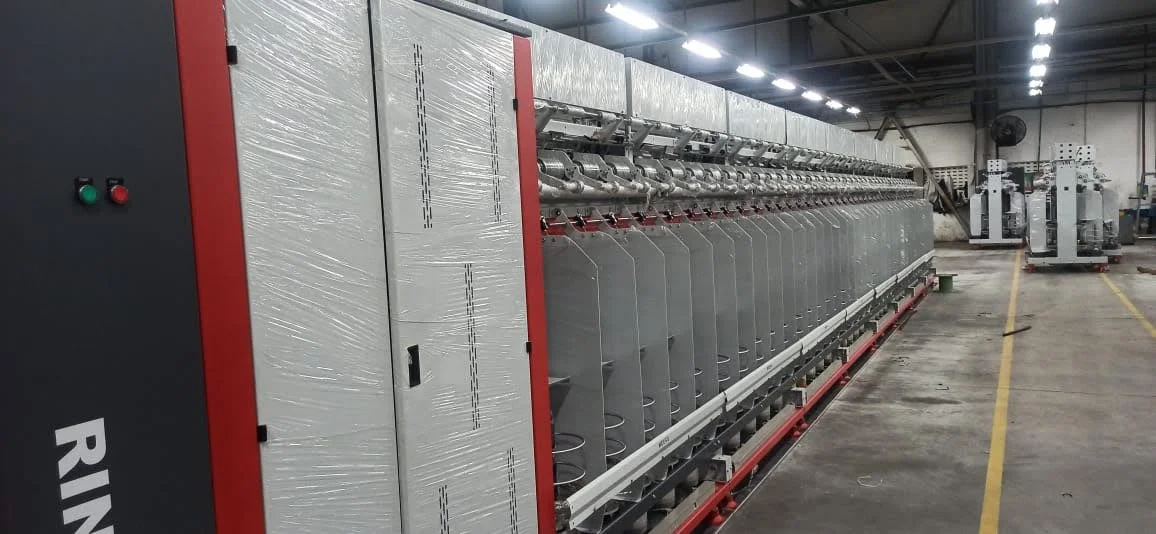
Top Features of the DTX-300 Artificial Grass Yarn Twisting Machine
In the dynamic world of textile machinery, Meera's DTX-300 Artificial Grass Yarn Twisting Machine stands out as a paragon of innovation and efficiency. For industries ranging from sports turf to landscaping, the need for reliable and versatile yarn twisting machines has never been greater. This machine not only meets but exceeds the demands of modern artificial grass production.
Automatic Operation and Efficiency
The DTX-300 is engineered with a fully automatic operation mode that significantly reduces manual intervention. According to the source, 'DTX-300 Artificial Grass Yarn Twisting Machine for Polypropylene,' this feature enables continuous production, minimizing downtime and maximizing output. This is particularly beneficial in large-scale manufacturing settings where time and efficiency are critical.
Automatic operation means that the machine can manage the twisting process with minimal human oversight, freeing up operators to focus on other tasks. This capability is a substantial advantage over older models that require constant monitoring and adjustment. As industries push towards automation, the DTX-300 aligns perfectly with these trends, offering a future-ready solution.
Touchscreen Control and User Interface
One of the most compelling features of the DTX-300 is its intuitive touchscreen control panel. As reported by 'Innovative Twisting Solutions from Meera,' this interface simplifies the operation, allowing users to easily adjust settings and monitor the twisting process in real-time. This user-friendly approach reduces the learning curve and enhances operational efficiency.
The touchscreen interface provides operators with a clear view of all machine parameters and status updates. This feature is particularly advantageous for new operators who may be unfamiliar with complex machinery. By simplifying navigation and control, Meera ensures that the DTX-300 can be seamlessly integrated into any production line.
Voltage Specifications and Compatibility
Understanding voltage specifications is crucial for integrating machinery into existing production setups. The DTX-300 is designed to be compatible with a wide range of voltage standards, making it a versatile choice for global markets. According to 'DTX-300 Artificial Grass Yarn Twisting Machine for Polypropylene,' the machine supports multiple voltage configurations, ensuring adaptability regardless of regional electrical standards.
This compatibility is especially important for manufacturers looking to expand their operations internationally. By offering a machine that can easily adapt to different electrical environments, Meera provides a solution that reduces the need for costly modifications or additional infrastructure.
Comparative Analysis
When comparing the DTX-300 to other models in the market, its innovative features and operational efficiencies stand out. Many traditional twisting machines lack the advanced automation and user-friendly interfaces that the DTX-300 offers. This gives Meera a competitive edge, positioning it as a leader in the artificial grass yarn twisting sector.
For instance, older models often require manual adjustments and frequent maintenance, which can lead to increased downtime and higher labor costs. In contrast, the DTX-300's automatic operation and touchscreen controls significantly reduce these challenges, offering a more streamlined and cost-effective solution.
Real-World Applications and Benefits
The practical benefits of the DTX-300 are evident in its application across various industries. As the demand for artificial grass in sports and landscaping continues to grow, the need for robust and efficient yarn twisting machines becomes more pronounced. The DTX-300's design caters specifically to these needs, providing high-quality yarns that enhance the durability and longevity of artificial turf.
In sports applications, for example, the strength and resilience of the yarn are critical to withstand heavy use and environmental factors. The DTX-300's precise twisting capabilities ensure that the yarn produced can meet these rigorous demands, making it an ideal choice for manufacturers aiming to deliver top-tier products.
Conclusion
In summary, the DTX-300 Artificial Grass Yarn Twisting Machine by Meera represents a significant advancement in textile machinery. Its automatic operation, user-friendly touchscreen interface, and voltage compatibility make it a standout choice for manufacturers looking to enhance their production capabilities. As industries continue to evolve and demand more sophisticated solutions, the DTX-300 is poised to lead the way, setting new standards for efficiency and quality in artificial grass yarn production.
Meera's commitment to innovation and excellence is evident in the DTX-300, reinforcing its position as a trusted partner in the textile machinery industry. For businesses looking to stay ahead in a competitive market, investing in the DTX-300 is a strategic decision that promises to deliver long-term benefits.
How to Choose the Right Grass Yarn Twisting Machine
Choosing the right grass yarn twisting machine is a pivotal decision for manufacturers of artificial turf. The right machine can significantly enhance productivity and product quality. Here, we provide a comprehensive checklist and expert tips to guide you through the selection process.
Checklist for Selecting a Machine
Understand Your Production Needs: Before diving into specifications, assess your production demands. As one Reddit user in the Textile Manufacturing Thread advises, understanding the scale and frequency of your production can help narrow down machine options effectively.
Consider Yarn Specifications: Different machines cater to various yarn types and thicknesses. Ensure the machine you select can handle the specific yarn characteristics you require. According to Quora Textile Engineering, matching the machine’s capabilities with your yarn specifications is critical to avoid operational inefficiencies.
Evaluate Machine Flexibility: The ability to adjust settings for different yarn types is a significant advantage. Machines like Meera's are noted for their adaptability, allowing manufacturers to switch between different yarn specifications with ease.
Check Energy Efficiency: Energy consumption is a crucial factor. Machines that are energy-efficient not only reduce operational costs but also align with sustainable manufacturing practices. Look for machines that offer advanced energy-saving features.
Assess Maintenance Requirements: Regular maintenance is inevitable, but it shouldn't be a burden. Opt for machines with straightforward maintenance protocols and readily available spare parts. This ensures minimal downtime and prolongs the machine's lifespan.
Examine the Control System: Modern twisting machines often come with computerized control systems. These systems enhance precision and ease of operation. Ensure that the machine’s interface is user-friendly and offers comprehensive data monitoring.
Review the Manufacturer’s Reputation: A machine is only as good as the company behind it. Meera, for example, is known for its robust customer support and reliable machinery. Investigating the manufacturer's reputation can provide insights into product quality and after-sales service.
Expert Tips for Buyers
Seek Expert Consultation: As reported by Quora Textile Engineering, consulting with industry experts or peers who have experience with specific machines can provide valuable insights that aren’t available in product brochures.
Test the Machine: Whenever possible, arrange for a demonstration or trial run. This firsthand experience can reveal operational nuances that may not be apparent from specifications alone.
Plan for Future Growth: Choose a machine that not only meets your current needs but can also accommodate future production increases. Investing in a scalable machine can save costs in the long run.
In conclusion, selecting the right grass yarn twisting machine requires careful consideration of your specific needs and market trends. By following this checklist and incorporating expert insights, manufacturers can make informed decisions that enhance their production capabilities and maintain competitive advantage.
How the Yarn Twisting Process Works
Yarn twisting is a critical process in the textile industry, particularly for creating artificial grass yarns. This process enhances the strength, elasticity, and appearance of yarns, making them suitable for various applications, from sports fields to decorative landscaping. Understanding the intricacies of yarn twisting can help manufacturers optimize their production and improve the quality of their final products.
Step-by-Step Process
The yarn twisting process begins with the selection of raw fibers, which are aligned and spun into yarn. This initial step is crucial as it determines the basic properties of the yarn, such as thickness and durability. Once the yarn is spun, it undergoes the twisting process.
In yarn twisting, multiple strands of yarn are twisted together to form a single, cohesive strand. This is achieved by rotating the yarn around its axis, which increases its tensile strength. According to Quora Textile Engineering, the degree of twist applied can vary depending on the intended use of the yarn. For artificial grass, a higher twist level is often preferred to ensure the yarn can withstand heavy foot traffic and environmental stressors.
Next, the twisted yarn is heat set to stabilize the twist. Heat setting involves passing the yarn through a heated chamber, which locks the twist in place and prevents it from unraveling. This step is particularly important for synthetic yarns used in artificial grass, as it improves their resilience and longevity.
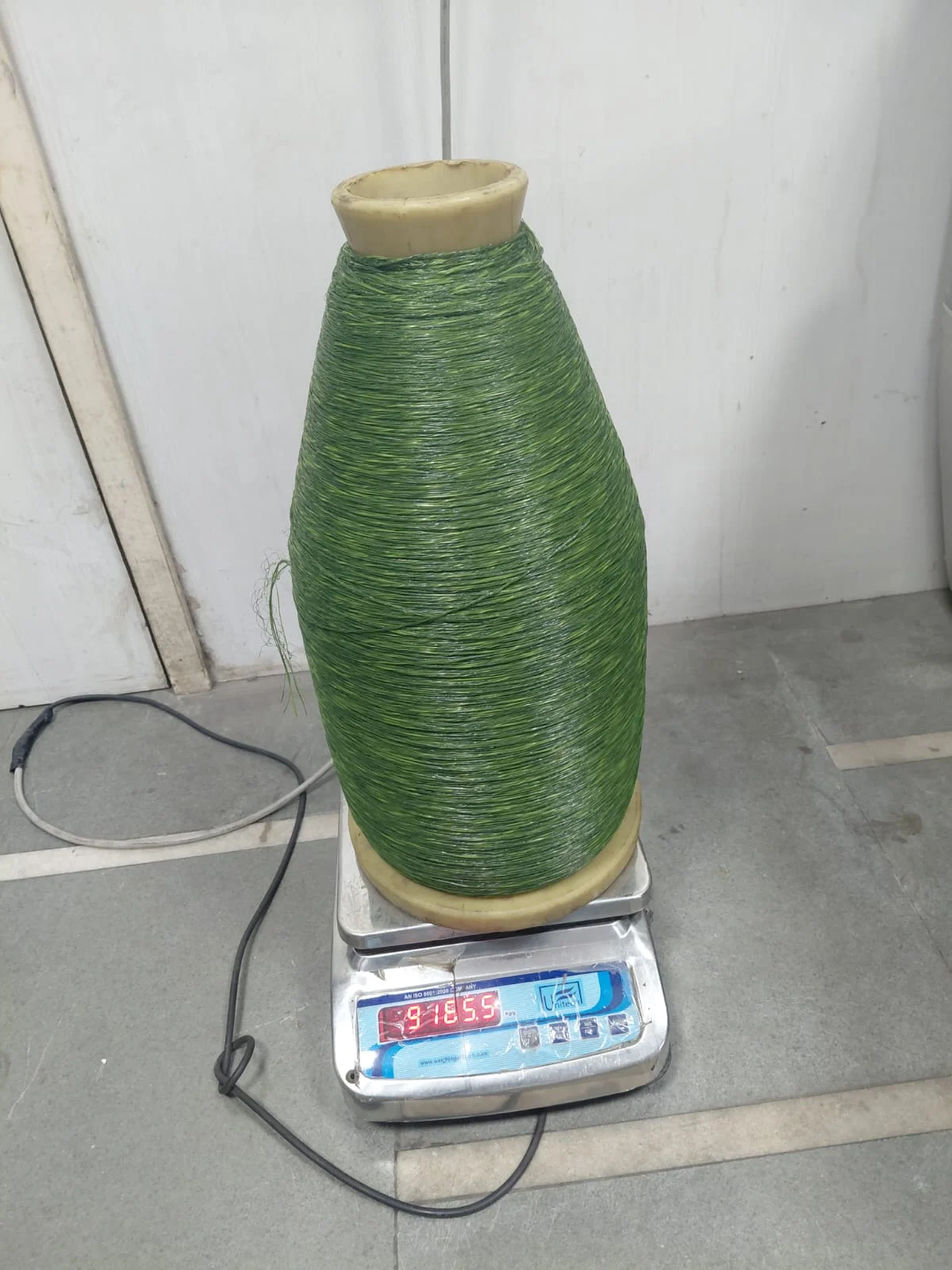
Finally, the yarn is wound onto spools or cones, making it ready for weaving or tufting into grass carpets. This comprehensive process ensures that the yarn is not only strong and durable but also aesthetically pleasing.
Technological Innovations
Technological advancements have significantly improved the yarn twisting process. Modern twisting machines, like those offered by Meera, incorporate automation and precision controls to enhance efficiency and quality. These machines can precisely control the twist level, speed, and tension, resulting in consistent and high-quality yarns.
Innovations in materials and machinery have also led to the development of specialized yarns, such as those used in artificial grass. With the growing demand for eco-friendly and durable artificial grass, manufacturers are continually seeking ways to improve their products. As reported by Quora Textile Engineering, the integration of smart technologies in twisting machines is paving the way for more sustainable production methods.
For manufacturers utilizing Meera's grass yarn twisting machines, these innovations mean enhanced productivity and product quality, positioning them competitively in the global market. As the industry evolves, staying abreast of technological advancements will be key to maintaining a leading edge in yarn production.
Pricing & Cost of Grass Yarn Twisting Machines
Navigating the pricing landscape of grass yarn twisting machines can be challenging for manufacturers. Prices are influenced by a myriad of factors, from technological capabilities to market demand. Understanding these can help businesses make informed purchasing decisions.
Factors Affecting Cost
The cost of grass yarn twisting machines varies significantly depending on several factors. According to Textile Machinery News, technological advancements play a crucial role in pricing. Machines equipped with the latest features, such as enhanced automation and precision controls, typically command higher prices. These features not only improve efficiency but also reduce manual labor, leading to long-term cost savings.
Another critical factor is the production capacity of the machine. Higher capacity machines, capable of handling larger volumes of yarn, are priced higher due to their increased output potential. Additionally, the materials used in manufacturing these machines, especially if they include durable and high-quality components, can also drive up costs.
Geographical location affects pricing as well. In regions like Gujarat, India, where Meera is based, local manufacturing can sometimes offer cost advantages compared to importing machines from abroad. This can be a crucial consideration for businesses looking to balance quality with budget constraints.
Comparing Price Points
When comparing price points, it’s essential to consider the value offered by different machines. As reported by Textile Machinery News, entry-level models may start at a lower price but often lack advanced features that could enhance productivity. On the other hand, premium models, while more expensive, may offer better long-term returns through improved efficiency and lower maintenance costs.
For instance, Meera’s grass yarn twisting machines are known for their balance of cost and functionality, providing robust solutions without the premium price tag of some international brands. This makes them an attractive option for manufacturers looking to optimize their production without overspending.
In conclusion, while the initial investment in a grass yarn twisting machine can be substantial, understanding the various factors that influence pricing can help manufacturers choose the right machine for their needs. As the market continues to evolve, staying informed about these trends will be crucial for making cost-effective choices.
Common Mistakes in Using Grass Yarn Twisting Machines
Operating grass yarn twisting machines can be fraught with challenges, particularly for those new to the textile manufacturing industry. One common error involves incorrect tension settings, which can lead to uneven twists and compromised yarn quality. According to a Reddit Textile Manufacturing Thread, users frequently report issues with yarn breakage when tension is improperly adjusted. This not only wastes materials but also disrupts production schedules.
Avoiding Common Errors
To mitigate these issues, operators must ensure that the tension settings align with the specific requirements of the artificial grass yarn being produced. It's crucial to regularly calibrate the machine according to the manufacturer's specifications. Another common mistake is neglecting the maintenance of the twisting machinery. Over time, dust and debris can accumulate, leading to mechanical failures or reduced efficiency. Regular cleaning and inspections are vital to maintaining optimal performance.
Best Practices for Maintenance
Implementing a consistent maintenance routine can significantly prolong the lifespan of a grass yarn twisting machine. As one experienced user on Reddit suggests, "Routine checks can catch small issues before they become costly repairs." This includes lubricating moving parts, tightening loose components, and replacing worn-out parts promptly. For manufacturers using Meera's twisting machines, following these best practices can enhance machine longevity and ensure consistent yarn quality.
Moreover, training operators on the intricacies of machine handling can prevent many of the common errors encountered in yarn twisting. By investing in comprehensive training programs, companies can reduce downtime and improve overall productivity. As the demand for artificial grass continues to grow, especially in regions like India, optimizing the usage of twisting machines becomes even more critical. By avoiding these common mistakes, manufacturers can ensure their operations remain efficient and cost-effective.
Conclusion: The Future of Grass Yarn Twisting Technology
The landscape of grass yarn twisting technology is on the brink of transformative advancements. As the demand for artificial grass grows globally, driven by both aesthetic and practical applications, the need for efficient and innovative twisting solutions becomes paramount. According to Textile Machinery News, one emerging trend is the integration of smart technology into twisting machines. This includes the use of IoT-enabled devices that allow for real-time monitoring and adjustments, enhancing both the precision and efficiency of the twisting process.
Emerging Trends
In the coming years, manufacturers are expected to increasingly adopt automation to reduce labor costs and improve output consistency. Data from Textile Machinery News suggests that advancements in machine learning could further optimize yarn quality by predicting and adjusting to environmental factors in real-time. These technologies promise to revolutionize how manufacturers, including Meera, approach the production of artificial grass yarn, offering more customized and sustainable solutions.
Preparing for Future Developments
For companies like Meera, staying ahead of these trends is crucial. By investing in research and development, and by embracing new technologies, Meera can continue to lead in innovation within the textile machinery industry. As these technologies become more accessible, manufacturers in India and beyond will be better positioned to meet the evolving demands of the market. Preparing for these advancements will not only enhance operational efficiencies but also open new avenues for product differentiation and competitive advantage.
In conclusion, the future of grass yarn twisting technology is vibrant, with significant potential for growth and innovation. Companies that adapt to these changes will set the pace in this dynamic industry.
What is the best twisting machine for artificial grass yarn?
The Meera DTX-300 is highly regarded for its innovative features, including automatic operation and touchscreen controls, making it ideal for efficient and high-quality artificial grass yarn production.
How does a twisting machine work for grass yarns?
A twisting machine intertwines multiple yarn strands to enhance strength and durability. It uses precise control over twisting parameters to ensure consistent quality, crucial for artificial grass applications.
What are the voltage requirements for these machines?
Voltage requirements vary by model, but the DTX-300 is designed to be compatible with a wide range of voltage specifications, ensuring seamless integration into existing production setups.
How do I maintain consistent twist in grass yarns?
Consistent twist is maintained by using advanced twisting machines with precise control over twisting parameters. Regular maintenance and calibration are also essential to ensure consistent quality.
What factors should I consider when buying a twisting machine?
Consider factors such as automation features, ease of use, compatibility with existing systems, and the ability to deliver consistent, high-quality twists. The reputation of the manufacturer, like Meera, is also important.
Are there any common mistakes to avoid with these machines?
Common mistakes include improper calibration, neglecting maintenance, and using incorrect yarn materials. Ensuring operators are well-trained and machines are regularly serviced can prevent these issues.