How Does an Automatic Yarn Winding Machine Work?
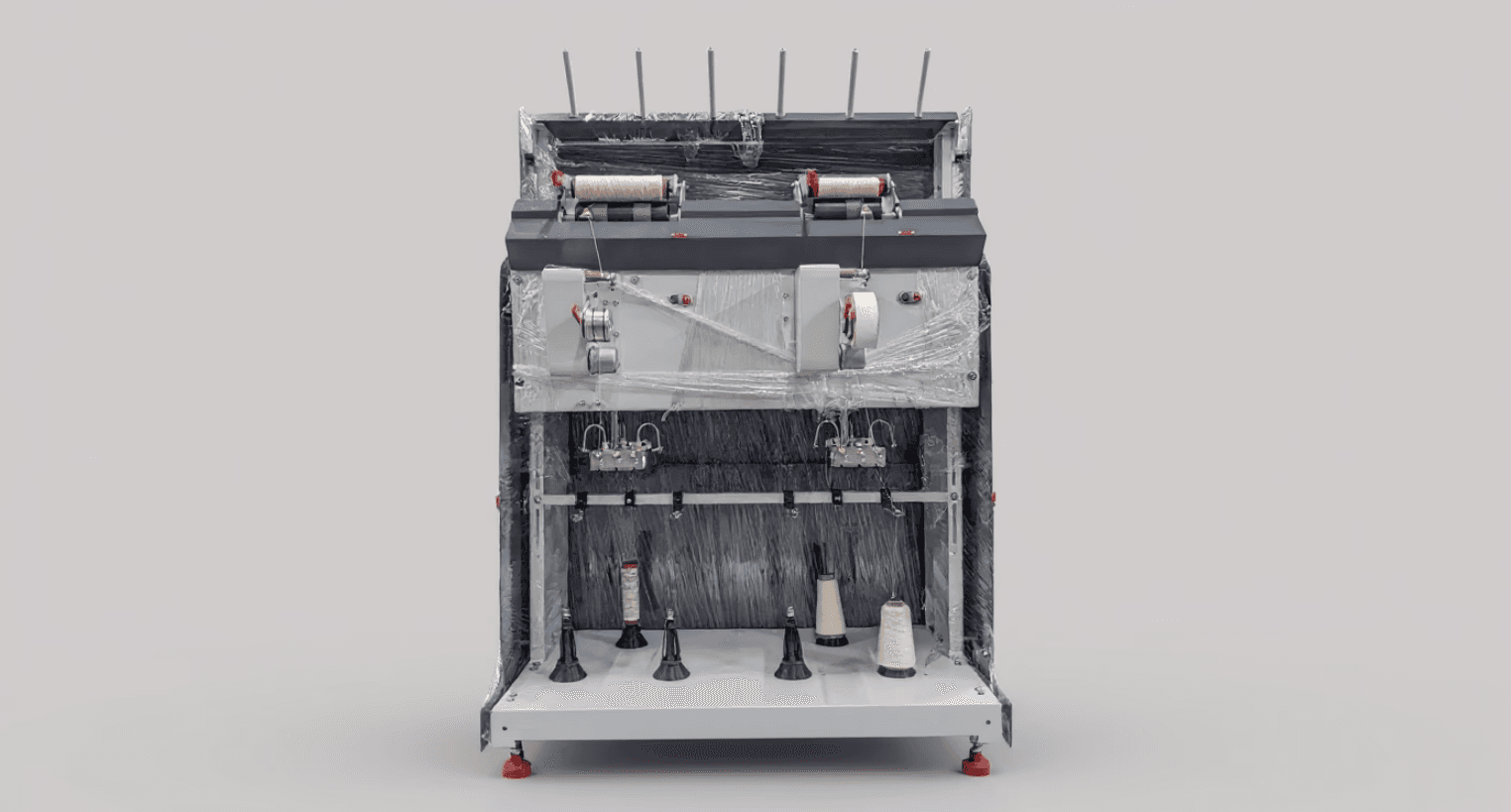

Automatic yarn winding machines are a core part of textile production, making sure that yarn is prepared effectively for the next stage. If you work in textiles or are considering updating your machinery, understanding how these machines operate can help you make informed decisions for your business.
When you use an automatic yarn winding machine, you benefit from its ability to handle yarns quickly and with consistency. The machine takes loose yarn and winds it onto spools or cones, making it ready for use in weaving, knitting, or other processes. This system saves you labor, reduces waste, and maintains the quality of your yarn.
In this guide, you’ll learn how an automatic yarn winding machine works, along with its core components, step-by-step operation, and main features. You’ll also discover the key benefits and see how automation helps solve common challenges in textile manufacturing.
What you need to know:
Automatic yarn winding machines prepare yarn quickly and consistently, reducing manual effort while improving production.
These machines use important components like spindles, drums, sensors, and cutters to control yarn tension, detect faults, and handle automatic cutting.
The winding process includes smooth yarn feeding, clearing imperfections, automatic splicing, controlled traversing, and precise package formation.
Built-in features such as automatic thread cutting, fault detection, tension control, and seamless package changeover help maintain yarn quality and reduce downtime.
Using automatic winding machines increases productivity, lowers labor costs, improves safety, and minimizes material waste in textile manufacturing.
Common issues like yarn breakage, faulty splicing, or tension problems can be managed effectively through regular maintenance and proper machine handling.
What is an Automatic Yarn Winding Machine?
An automatic yarn winding machine is a device that winds yarn from larger packages or bobbins onto smaller, usable spools or cones. It prepares the yarn so you can use it easily for weaving, knitting, or other textile processes.
This machine works without much manual effort, making your production faster and more consistent compared to winding yarn by hand.
Main parts of an automatic yarn winding machine:
Spindles: These hold the yarn packages and spin to wind yarn onto the cones.
Drums: They guide the yarn and help control the winding pattern and tension.
Sensors: These monitor the yarn’s movement, tension, and any faults, stopping the machine if there is a problem.
Cutters: They automatically cut the yarn at the end of each package, ready for the next winding cycle.
Manual winding requires you or your workers to handle the yarn throughout the process, which can be slow and inconsistent. An automatic yarn winding machine handles feeding, tension control, cutting, and package formation on its own.
This reduces mistakes, saves time, and ensures that each yarn package has the same quality and size, which manual winding cannot always guarantee.
Don’t let yarn winding challenges slow down your production. Contact Meera Industries to access advanced winding machines built for reliability and performance. Partner with us today and take the next step toward smoother operations.
How Does Automatic Yarn Winding Machine Work: Step-By-Step Process
When you operate an automatic yarn winding machine, the winding process is carefully controlled at every stage to maintain yarn quality and consistency.
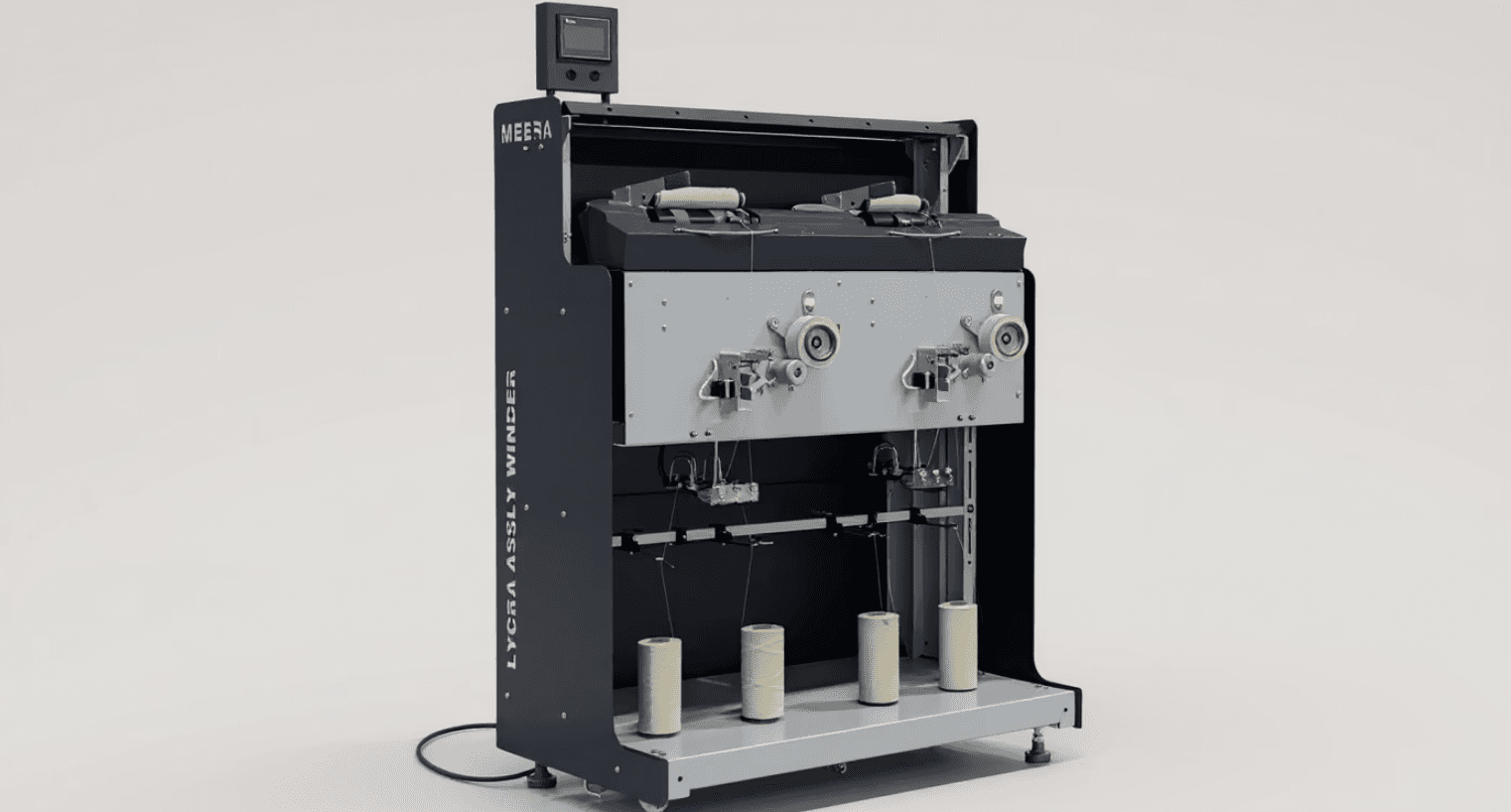
Each step is designed to manage the yarn smoothly, from feeding and clearing imperfections to winding and finishing, so you get perfectly formed yarn packages ready for the next stage in textile production.
Step-by-step process:
Yarn Feeding: The machine pulls yarn from the supply package or bobbin, feeding it smoothly into the system. This steady feeding ensures there are no tangles or knots.
Yarn Clearing: As the yarn moves, sensors check for any thick spots, thin spots, or foreign fibers. The machine removes these imperfections to keep the yarn quality high.
Splicing: If the yarn breaks or needs to join a new thread, the machine automatically connects the broken ends. This quick splicing keeps the process continuous without you having to stop and fix the yarn manually.
Traversing and Winding: The yarn moves back and forth across the spool in a controlled pattern. This process, called traversing, ensures the yarn winds evenly onto the cone or package, avoiding loose or uneven layers.
Package Formation: As the yarn winds, the machine shapes the package by controlling tension and speed. It creates a stable yarn pack that you can handle easily during later stages of textile production.
Package Completion: When the package reaches its full size, the machine stops winding and automatically cuts the yarn using a built-in cutter. It then prepares for the next package by positioning the spool for the next winding cycle.
Main Features and Functions
An automatic yarn winding machine comes equipped with key features designed to ensure precise control over the winding process.
These functions help you maintain consistent yarn quality, reduce downtime, and minimize manual intervention, making your production smoother and more reliable.
Main functions:
Automatic Thread Cutting: The machine cuts the yarn automatically after each package is complete. This means you don’t have to stop and cut the yarn manually, which speeds up your work.
Tension Control and Uniformity: The machine constantly adjusts the yarn tension during winding. This keeps the yarn tight and even on the spool, preventing damage and ensuring consistent quality.
Fault Detection and Automatic Stoppage: Sensors detect problems like yarn breakage or irregularities. When a fault occurs, the machine stops automatically to avoid wasting yarn or causing damage.
Package Changeover Process: Once a yarn package is finished, the machine quickly and smoothly switches to a new empty spool. This reduces downtime and keeps production running without interruptions.
Yarn Quality Improvement Features: The machine removes weak spots and foreign particles from the yarn during winding to improve the final product’s strength and appearance. This helps you deliver reliable, high-quality yarn every time.
Advantages of Using Automatic Yarn Winding Machines
An automatic yarn winding machine streamlines your production by handling key tasks with precision and speed. This leads to higher output, better yarn quality, and lower operational costs, helping you meet business goals more effectively.
Advantages:
Increased Productivity: The machine works faster than manual winding, allowing you to produce more yarn packages in less time. This helps you meet higher production targets without extra labor.
Consistent Yarn Quality: Automatic control of tension, speed, and winding pattern ensures that every yarn package has the same high quality. This reduces defects and improves the final product.
Reduced Labor Costs: Since the machine performs most tasks on its own, you need fewer workers to manage the winding process. This lowers your labor expenses while maintaining output.
Improved Safety: With automatic fault detection and stoppage, the machine prevents accidents caused by yarn breakage or machine errors. This keeps your workplace safer for operators.
Less Material Waste: By controlling yarn tension and handling breaks carefully, the machine reduces the amount of wasted yarn during production. This helps you save on raw material costs.
Want to experience the benefits of automatic yarn winding firsthand? Get in touch with Meera Industries to explore machine options that fit your production needs. Start improving your yarn quality and effectiveness now.
Common Issues and Solutions
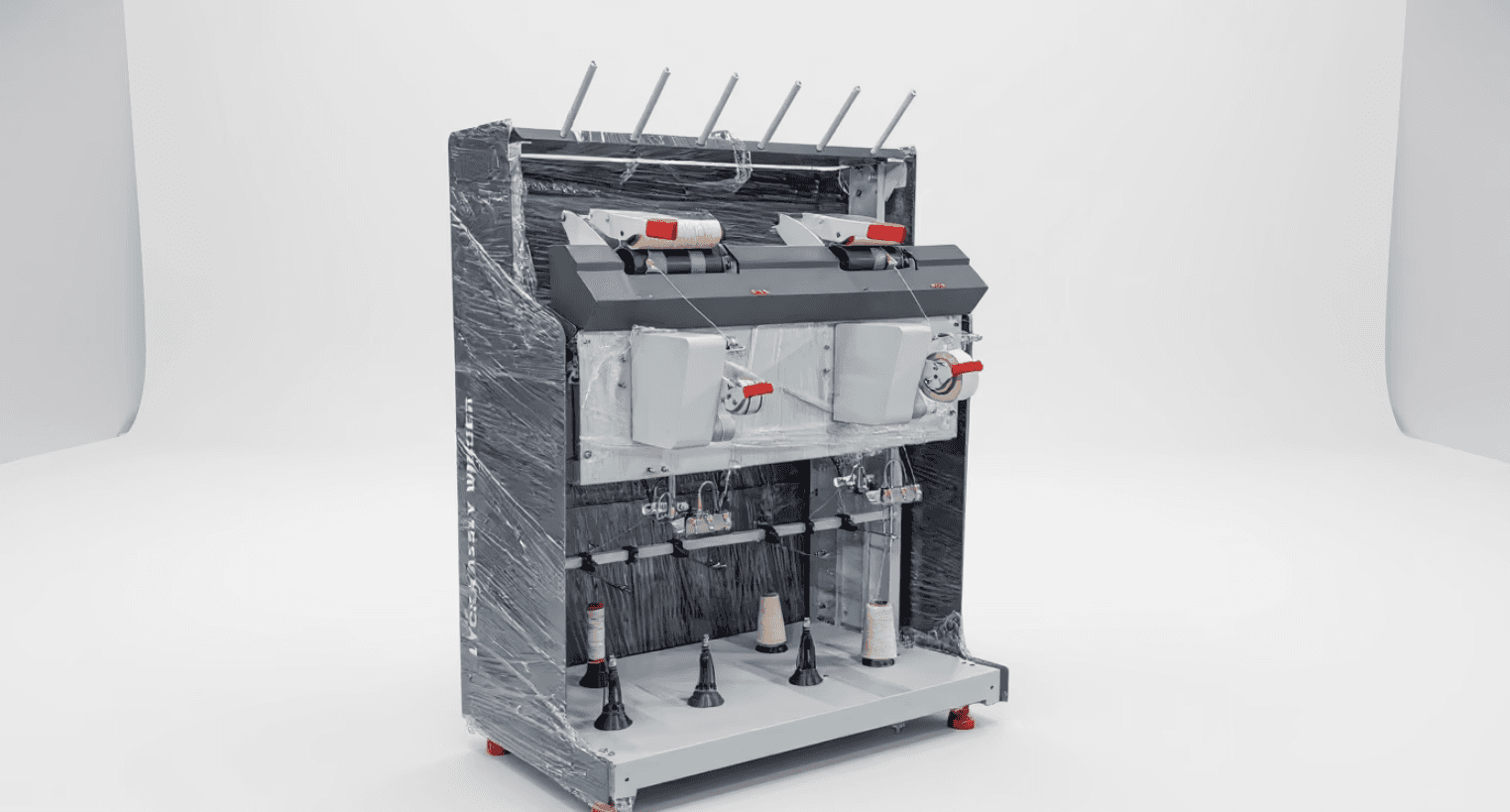
Automatic yarn winding machines, while highly reliable, can face occasional challenges that affect production quality. Understanding these common issues and their solutions allows you to maintain steady operations and reduce costly interruptions.
Yarn Breakage: Yarn can break due to tension problems or weak spots. The machine’s sensors detect breaks quickly and stop the process to prevent further damage. Regularly check and adjust tension settings to reduce breakage.
Faulty Splicing: Sometimes the automatic joining of yarn ends (splicing) may fail, causing a weak joint. Ensure the splicing system is clean and properly maintained to keep joints strong and consistent.
Machine Stoppages: Frequent stops may happen if the sensors detect faults or if there is a buildup of dust and lint. Clean the machine regularly and inspect sensors to prevent false alarms and unwanted stops.
Tension Irregularities: Uneven tension can cause poor package formation or yarn damage. Calibrate tension control systems during maintenance and replace worn parts when needed.
Maintenance Needs: Regular maintenance is essential to keep your machine running well. Follow the manufacturer’s schedule for lubrication, part replacement, and cleaning to avoid breakdowns.
Conclusion
Managing yarn winding can be challenging when you face issues like inconsistent quality, frequent breaks, or slow production. Meera Industries understands these problems and offers automatic yarn winding machines designed to deliver reliable performance and consistent results.
With advanced features and strong built quality, their machines help you reduce downtime, cut labor costs, and improve yarn quality.
If you want to improve your textile production process, consider Meera Industries’ automatic yarn winding solutions. Contact us today to find the right machine for your needs and take the next step toward smoother, more productive operations.
FAQs
Q. What are the main advantages of using an automatic yarn winding machine over a manual one?
Automatic machines offer higher production speed, consistent yarn quality, reduced labor costs, improved safety, and fewer errors compared to manual winding processes.
Q. How does an automatic yarn winding machine handle yarn breakage during operation?
The machine detects yarn breakage through sensors and stops automatically to prevent waste. It then performs automatic splicing to join yarn ends and resumes winding without manual intervention.
Q. What types of yarn winding machines are commonly used in the textile industry?
Common types include cone winders, precision winders, random winders, and auto doffer winding machines, each designed for specific yarn types and production needs.
Q. What routine maintenance is needed to keep an automatic yarn winding machine working smoothly?
Regular maintenance includes cleaning sensors, checking and adjusting tension devices, lubricating parts, inspecting spindles and drums for wear, and calibrating machine settings according to manufacturer guidelines.
Q. How does tension control affect the quality of the yarn package in winding machines?
Proper tension control ensures the yarn is wound evenly and tightly, preventing damage, loose winding, or package deformation, leading to more consistent yarn quality for downstream processes.
Q. What common faults occur in automatic yarn winding machines, and how can they be resolved?
Typical faults include yarn breakage, faulty splicing, sensor misalignment, and tension issues. These can be resolved by regular cleaning, adjusting splicing parameters, calibrating sensors, and replacing worn parts.