How Cotton Yarn Winding Machines Work?
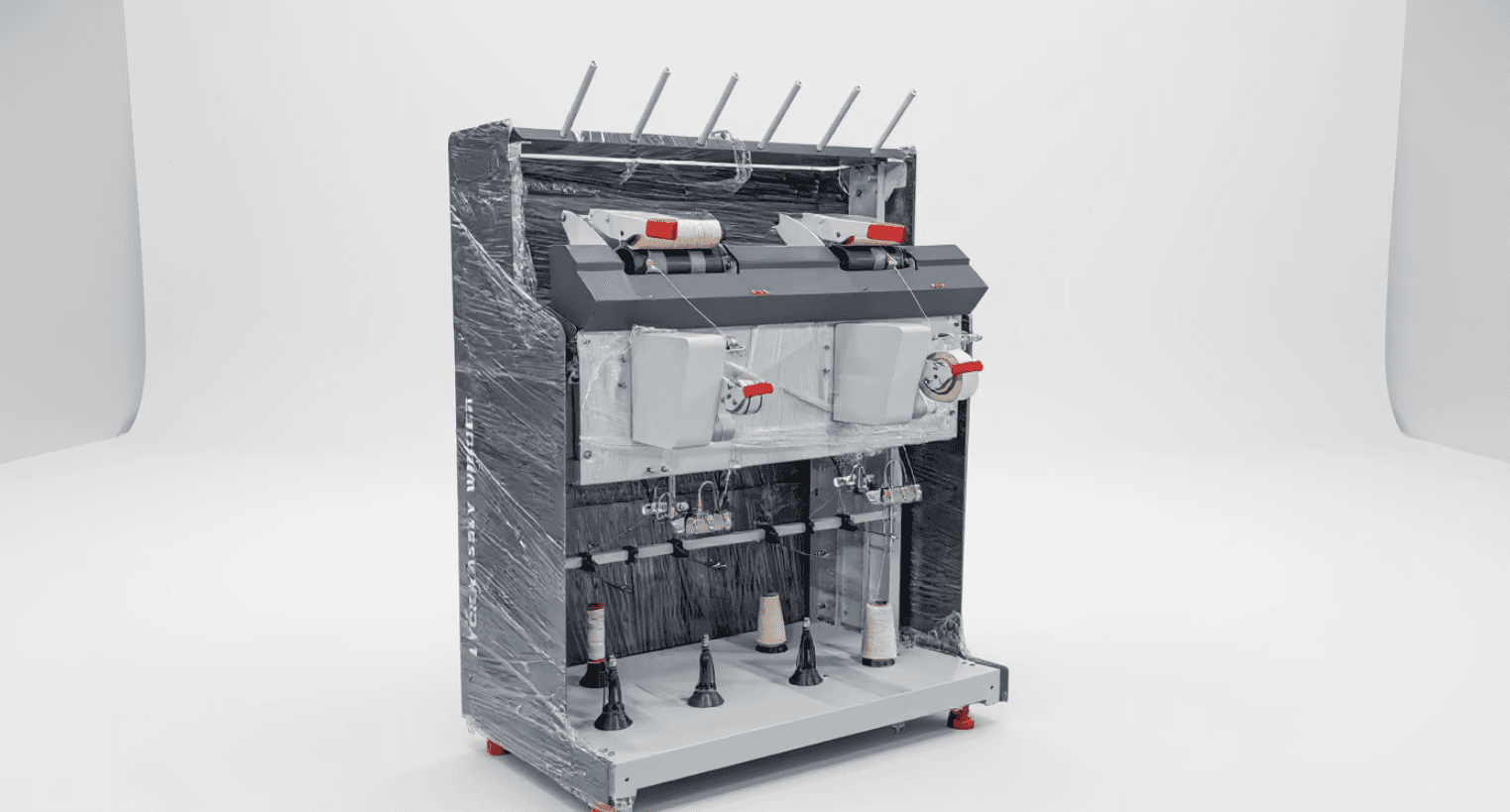

Cotton yarn winding machines play an important role in the textile industry. If you work with cotton yarn, you need to know how these machines operate to ensure smooth production.
This machine takes yarn from large packages and winds it onto smaller, manageable packages that are ready for the next stage of textile manufacturing.
In this blog, you will learn exactly how does cotton yarn winding machine works. You will understand the key parts of the machine, how it handles yarn, and the basic steps involved in the winding process.
This knowledge will help you better use and maintain the machine, improving the quality of your yarn and the efficiency of your operations.
Quick Look:
Cotton yarn winding machines convert large, loose yarn packages into smaller, uniform ones that are easier to handle in textile production.
The machine’s main components, bobbin or cone holders, yarn guides, tensioners, motors, and control panels, work together to ensure smooth, even winding.
Different winding techniques like precision winding, cheese winding, and cone winding serve specific needs based on yarn type and production requirements.
Proper tension control and guided yarn movement are critical to avoid common problems such as yarn breakage, uneven winding, and tangles.
Regular maintenance, including cleaning, lubrication, and inspection, helps prevent faults and keep the machine running efficiently.
What is a Cotton Yarn Winding Machine?
A cotton yarn winding machine is designed to transfer yarn from one package to another in a controlled and orderly way. Its main purpose is to take yarn from large, loose packages and wind it onto smaller cones or bobbins. This makes the yarn easier to handle in later stages of textile production, such as weaving or knitting.
You will find several important parts in the machine, including holders for the yarn packages, guides to direct the yarn, and systems to control the yarn’s tension and speed. Together, these parts help in winding the yarn evenly without breaks or tangles.
Different types of winding machines:
Cone Winding Machines: These wind yarn onto cones, which are ideal for automated weaving and knitting machines.
Precision Winding Machines: These machines create exact and uniform yarn packages, ensuring consistent tension and quality.
Cheese Winding Machines: Named for the shape of the yarn package, these are used to convert yarn into a shape suitable for specific textile processes.
Each type serves a particular need depending on the end use of the yarn. Choosing the right machine depends on the type of cotton yarn you work with and the requirements of your production line.
Improve your winding efficiency with Meera Industries’ Cone to Cone Winder, built to deliver consistent, smooth winding suitable for various cotton yarn types. Learn more about the Cone to Cone Winder here.
The Yarn Winding Process Explained
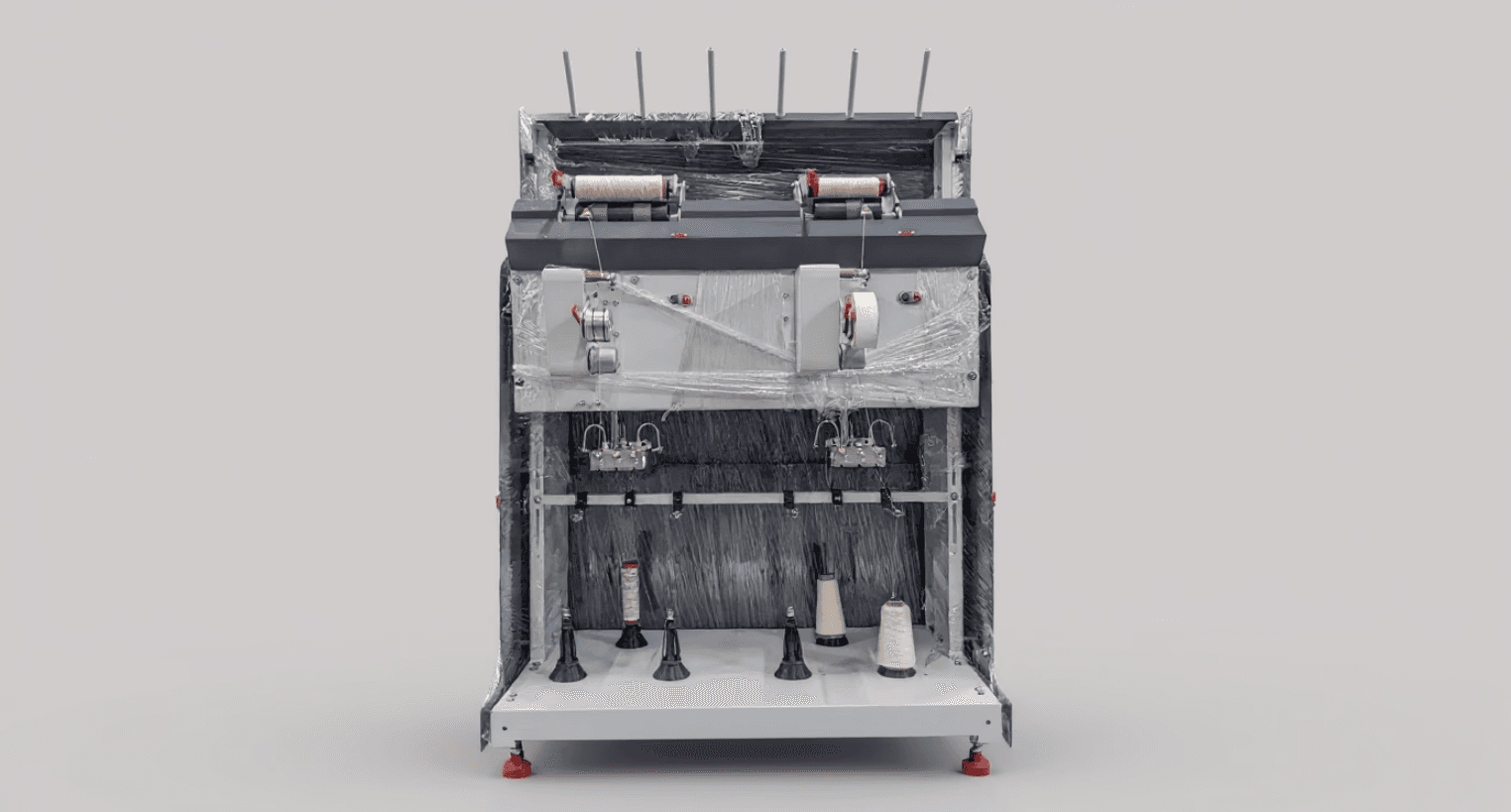
The yarn winding process transforms bulk cotton yarn into organized, uniform packages that are easier to handle and use in textile production. This process ensures the yarn is properly tensioned, evenly wound, and free from defects, making it ready for the next stage of manufacturing.
Step-by-step process:
Feeding the Yarn: You start by placing the large yarn package onto the machine. The yarn end is threaded through guides that lead it toward the winding point.
Controlling the Tension: The machine applies the right amount of tension to the yarn as it unwinds. This prevents the yarn from becoming too loose or too tight, which could cause problems later.
Winding the Yarn: The yarn is wound onto a smaller package, such as a cone or bobbin. The machine’s rollers and spindles rotate to wrap the yarn evenly and consistently.
Guiding the Yarn: The yarn passes through a guide that moves back and forth across the package. This ensures the yarn is wound evenly, layer by layer, without overlapping or tangling.
Monitoring the Process: Sensors or operators keep an eye on the winding. If the yarn breaks or runs out, the machine stops to avoid waste or damage.
Finishing Up: Once the package is fully wound, the machine cuts the yarn and removes the finished package. It is now ready for the next step in your textile process.
Key Functional Parts and Their Roles
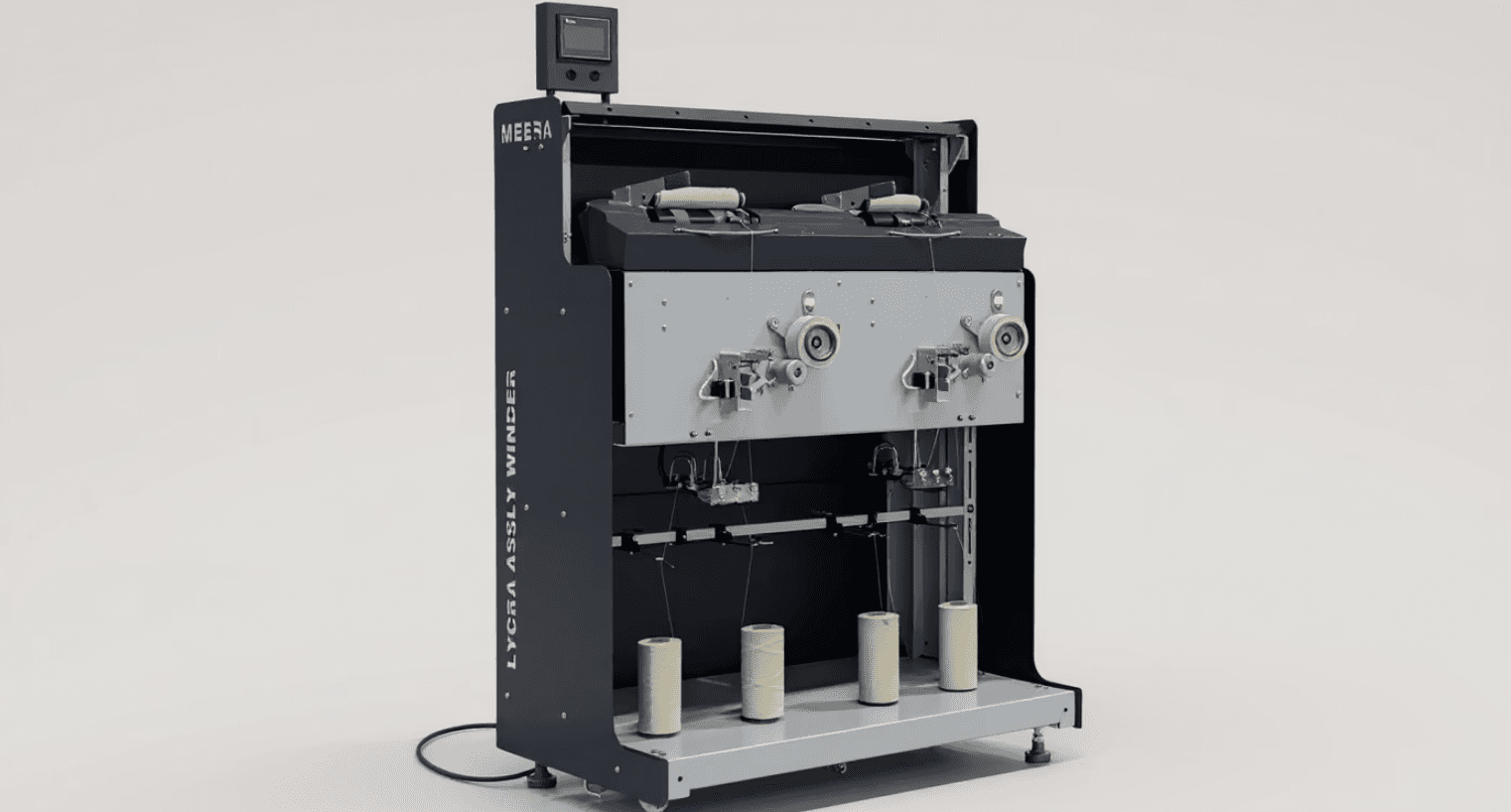
A cotton yarn winding machine has several important parts that work together to ensure the yarn is wound properly. Understanding these parts will help you operate and maintain the machine better.
Key Functional parts:
Bobbin or Cone Holders: These hold the empty bobbins or cones onto which the yarn is wound. They keep the package steady during the winding process.
Yarn Guides: These guide the yarn as it moves from the large package to the bobbin or cone. They help keep the yarn in the correct position to avoid tangling or overlapping.
Tensioners: These control the tightness of the yarn as it is wound. Proper tension prevents the yarn from being too loose or too tight, which can cause damage or uneven winding.
Motors and Drives: These parts power the rotation of the bobbin or cone holders and control the speed of winding. They ensure the yarn is wound at a consistent and steady pace.
Control Panels: The control panel lets you set and adjust machine settings such as speed and tension. It also shows you important information about the machine’s operation and alerts you to any issues.
Types of Winding Techniques Used
There are different winding techniques used in cotton yarn winding machines. Each technique creates yarn packages suited for specific purposes. Understanding these methods helps you choose the right one for your needs.
Different winding techniques:
Precision Winding: This method focuses on creating uniform yarn packages with exact tension and layering. It reduces yarn defects like loops or tangles, making it suitable for high-quality yarns used in fine fabrics.
Cheese Winding: Named after the shape of the yarn package, cheese winding produces cylindrical packages that look like wheels of cheese. These are easy to handle and work well for processes like knitting and weaving.
Cone Winding: In this technique, yarn is wound onto cone-shaped packages. Cone winding is popular because cones fit well on automatic machines, allowing smooth unwinding during textile production.
Discover the precision and quality of Meera Industries’ Servo Controlled Cop Winder. Designed for uniform yarn speed and premium winding results, it’s ideal for your cotton yarn production. Explore the Servo Controlled Cop Winder here.
Common Problems and Maintenance Tips
While using cotton yarn winding machines, you may face some common problems that affect the quality of your yarn and machine performance. Knowing these issues and how to maintain your machine can help you avoid downtime and produce better results.
Yarn Breakage: This happens when the yarn snaps during winding. It can be caused by incorrect tension, damaged yarn, or worn machine parts. Check and adjust the tension regularly and inspect the yarn quality before winding.
Uneven Winding: If the yarn is not wound evenly, it can produce loose or tight spots in the package. This often results from misaligned guides or worn rollers. Make sure the guides are positioned correctly and replace worn parts promptly.
Tangles and Knots: Yarn tangling can slow down production and cause defects in the final product. Keep the yarn path clean and clear, and ensure the yarn guides are working smoothly to prevent snags.
Machine Noise or Vibration: Unusual sounds or vibrations may indicate mechanical issues. Regularly lubricate moving parts and check for loose components to keep the machine running quietly.
Routine Cleaning and Inspection: Dust and lint can build up in the machine, causing problems. Clean the machine properly after each use and perform routine inspections to spot any wear or damage early.
How Meera Industries Supports Your Yarn Winding Needs
Running a cotton yarn winding operation comes with challenges, such as managing machine downtime, maintaining consistent yarn quality, and handling technical issues quickly. These problems can slow down your production and increase costs.
Meera Industries understands these challenges and offers reliable winding machines designed for durability and precision. Our machines help you reduce yarn breakage and uneven winding, ensuring smoother production.
If you want to improve your yarn winding process and minimize disruptions, contact Meera Industries today. Keep your machines running without any interruptions.
FAQs
Q. How does a cotton yarn winding machine work?
A cotton yarn winding machine transfers yarn from large packages onto smaller cones or bobbins. It controls yarn tension and guides the yarn evenly to produce neat, uniform packages ready for weaving, knitting, or other processes.
Q. What are the common problems faced in yarn winding machines?
Typical problems include yarn breakage due to incorrect tension, uneven winding caused by misaligned guides, tangles from poor yarn guidance, and mechanical issues like worn bearings or noisy parts. Regular maintenance helps prevent these issues.
Q. What types of winding machines are commonly used for cotton yarn?
The main types include precision winding for uniform packages, cheese winding that produces cylindrical packages, and cone winding, which winds yarn on cone-shaped packages for easy handling on automatic machines.
Q. How often should I maintain my cotton yarn winding machine?
Routine cleaning and inspection should be done regularly, daily for cleaning yarn paths and weekly or monthly for lubricating parts, checking tension devices, guides, and replacing any worn components to keep the machine running smoothly.
Q. What winding technique is best for cotton yarn?
The choice depends on your production needs, but cone winding is popular for automated processes, precision winding is preferred for high-quality yarns needing exact tension control, and cheese winding works well for knitting and weaving yarn packages.
Q. How can I reduce yarn breakage during winding?
Make sure the machine’s tension is set correctly and the yarn guides are properly aligned. Use good-quality yarn, regularly clean the machine parts where yarn passes, and address any mechanical wear early to reduce the chances of breaks.