How to Optimize Weaving Machine Settings for Best Results

In textile manufacturing, operational delays is a costly issue. If you’re dealing with frequent thread breakage, fabric defects, or excessive waste, your weaving machine settings may not be optimized for the best performance. These problems often arise from improper adjustments in key areas like yarn tension, speed settings, or weft insertion.
The solution lies in fine-tuning your machine settings to ensure smooth, efficient production. Proper machine optimization leads to enhanced fabric quality, reduced downtime, and increased productivity, allowing you to stay competitive in a fast-paced industry.
This blog will guide you on how to optimize your weaving machine settings, implement advanced techniques, and achieve the best possible results for your textile production.
TL;DR
Adjust key parameters like yarn tension, weaving speed, and reed force to optimize fabric quality and reduce downtime.
Implement advanced automation with systems like automatic tension control and programmable logic controllers (PLCs) for precise, consistent results.
Adjust settings for different fabrics (e.g., fine, heavy, or specialty fabrics) to achieve optimal performance and maintain quality.
Address common challenges like inconsistent calibration, thread breakage, and operator skill levels to maintain machine performance and efficiency.
Understanding the Basics of Weaving Machine Settings
Familiarity with the key components of your weaving machine is essential for troubleshooting and optimizing performance. If you don’t know the role of each part, you could misinterpret problems or fail to make necessary adjustments.
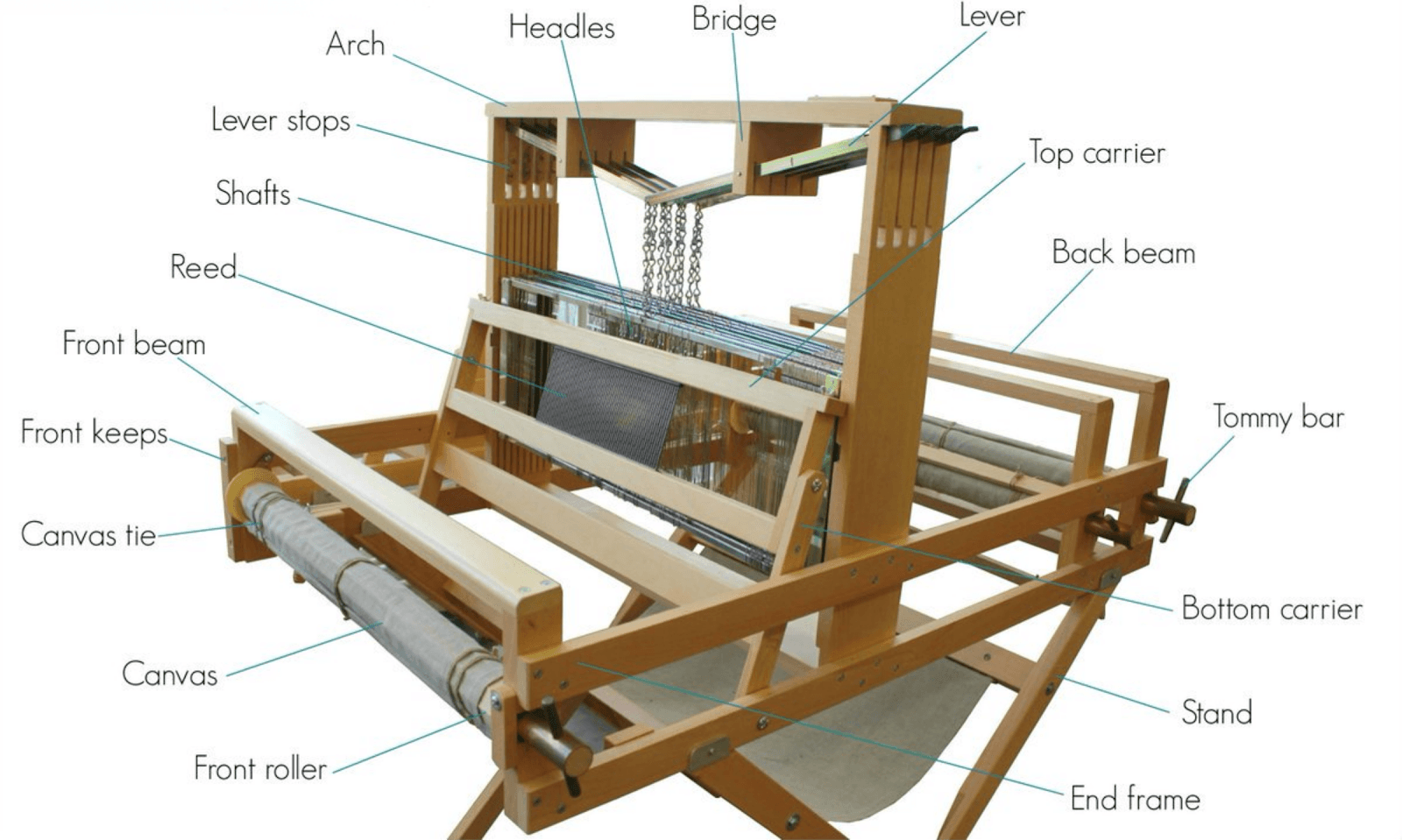
Many overlook how a simple malfunction in one component can lead to larger production issues. Understanding these parts thoroughly helps you maintain optimal operation, saving you time and money.
Key components:
Warp Beam: The warp beam holds the yarn that will be woven. It is a cylindrical part that manages the tension of the yarn before it enters the weaving process. Adjusting the warp beam tension ensures smooth and consistent yarn feeding.
Shuttle: The shuttle is a small, moving part that carries the weft (the crosswise yarn) through the warp threads during the weaving process. It helps ensure that the weft is inserted evenly between the warp threads. Smooth shuttle motion is crucial for avoiding misweaving, which leads to defects in the final fabric.
Heddles: Heddles are components that control the warp threads, guiding them up and down to create the shed (the opening between the threads for the weft to pass through). Proper heddle alignment ensures that all warp threads are lifted and lowered consistently. This guarantees uniform tension across the warp threads, leading to even fabric density.
Reed: The reed is a comb-like tool that pushes the weft yarn into place after it’s passed through the warp threads. It also controls the beat-up force, which is the force that packs the weft tightly against the fabric. Adjusting the reed ensures that the fabric has the right texture.
Take-up Mechanism: The take-up mechanism rolls the finished fabric onto a beam or a roll after it’s been woven. Adjusting the speed of the take-up mechanism ensures that the fabric is wound evenly and consistently, without any uneven tension or folds.
To get the most out of each of these components, consider the weaving machines offered by Meera Industries with cutting-edge technology that simplifies fine-tuning and enhances the efficiency of your production. Explore our range of products here.
Key Parameters to Adjust for Optimal Performance
Not adjusting the right parameters can severely affect your weaving process, leading to defects like tension issues or material wastage. People often focus on just one parameter but fail to see how others interconnect.
For example, adjusting tension without considering the speed can create fabric inconsistencies. Knowing what parameters to adjust and when ensures you get the best quality fabric with minimal downtime.
Key Parameters:
Tension Control: Adjusting the tension of both warp and weft yarns is crucial to avoid thread breakage and ensure consistent fabric quality. Too much tension can lead to breakages, while too little can result in loose, uneven fabric.
Weaving Speed: Finding the right weaving speed is important for running the machine efficiently without compromising fabric quality. Adjust the speed based on the yarn type and the specifications of the fabric you’re working with.
Beat-up Force: The force used to push the weft yarn into position affects fabric density. Too much force can damage the yarn, while too little can cause uneven fabric density.
Pick Density: The number of picks per unit length affects fabric texture and width. Fine-tuning the pick density ensures consistent fabric quality.
Shuttle or Shuttleless Settings: For shuttle looms, optimizing shuttle speed and the insertion mechanism is key. For shuttleless looms, it’s important to adjust nozzle pressure and weft insertion speed to maintain fabric quality.
Advanced Techniques for Process Optimization
Without advanced techniques, you might continue to rely on outdated methods, which can hold back production efficiency. Many operators fail to implement data-driven insights or sophisticated tools that could boost throughput.
Understanding advanced techniques not only streamlines production but also makes your machines more adaptable to varying workloads, enhancing both speed and quality.
Advanced techniques:
1. Automatic Tension Control
Automatic tension control systems continuously monitor yarn tension and adjust it in real-time. This minimizes human error, ensures consistency, and prevents thread breakage, leading to smoother production.
Key Features:
Ensures uniform tension: Automatically adjusts to maintain consistent tension across the machine, preventing errors.
Minimizes manual errors: Reduces the risk of mistakes caused by human intervention, enhancing consistency.
Improves fabric quality: Guarantees smooth, high-quality fabric production by preventing tension-related issues.
2. Programmable Logic Controllers (PLC)
PLCs automate the adjustments for various machine parameters such as tension, speed, and weft insertion. This ensures that settings are consistently accurate, reducing downtime and increasing machine longevity.
Key Features:
Fine-tunes settings: Adjusts parameters like tension and speed based on fabric needs for precision.
Increases productivity: Automates processes to reduce downtime and maintain continuous production flow.
Ensures consistent output: Reduces human errors and guarantees uniform fabric quality.
3. Real-Time Monitoring Systems
Integrating real-time monitoring allows operators to track machine performance continuously. These systems can alert operators to any deviations in settings or performance, enabling immediate corrective action.
Key Features:
Instant problem detection: Alerts operators to issues like thread breakage or misweaving, allowing immediate correction.
Prevents major breakdowns: Timely intervention ensures machines run smoothly, extending their life.
Boosts production efficiency: Minimizes interruptions, leading to consistent and faster output.
4. Predictive Maintenance Tools
Using advanced analytics, predictive maintenance tools assess machine health and predict when components need servicing or replacement. This proactive approach helps avoid costly breakdowns and keeps machines running smoothly.
Key Features:
Proactively addresses issues: Predicts maintenance needs, reducing unplanned machine stoppages.
Optimizes machine uptime: Scheduled maintenance ensures better availability and fewer disruptions.
Cuts repair expenses: Prevents costly repairs by detecting problems early and addressing them promptly.
How to Fine-Tune Your Weaving Machine Settings for Different Fabrics?
Each fabric type requires different settings to achieve the best results. Many operators make the mistake of using default settings for all fabric types, leading to poor fabric quality and more frequent machine breakdowns.
Understanding the unique needs of each fabric allows you to tailor your machine settings for optimal results, prolonging the life of both the machine and your fabric.
1. Fine Fabrics (e.g., Silk, Satin)
When working with delicate fabrics like silk or satin, you need to be extra careful during production. Slower speeds and lighter beating-up forces are necessary to avoid damaging the delicate fibers. It's also important to maintain the right yarn tension to get the proper texture.
Key Adjustments:
Lower tension settings: Prevents thread breakage and damage to fabrics like silk.
Slower speed adjustments: Ensures fragile fibers are handled gently, reducing stress.
Softer reed force: Keeps the fabric smooth and avoids distortion during weaving.
2. Heavy Fabrics (e.g., Denim, Upholstery)
For heavier fabrics like denim or upholstery, you’ll need to adjust your machine settings to handle thicker yarns. Increasing speed and adjusting tension help maintain the fabric’s durability and density.
Key Adjustments:
Higher tension settings: Helps thicker yarns feed properly, preventing uneven fabric.
Increased machine speed: Speeds up the process, reducing delays when working with dense fabrics.
Stronger reed beating: Compresses the fabric, giving it the necessary density for strong, durable materials.
3. Specialty Fabrics (e.g., Carpet, Embroidery Threads)
Specialty fabrics such as carpets or embroidery threads require precise settings to maintain their intended texture and strength. Exact tension and dwell times (adjustable from 40 seconds to 10 minutes) are essential for avoiding breakage and ensuring ideal texture.
Key Adjustments:
Precise Tension Control: Specialty yarns like those used in carpets need optimal tension to avoid breakage.
Accurate Insertion Settings: Proper weft insertion ensures consistent production, keeping the texture even throughout the fabric.
Custom Reed Settings: Adjusting the reed’s force to match the fabric’s unique thickness and texture ensures that these specialty fabrics are woven with the required quality and precision.
The Role of Automation in Weaving Machine Optimization
Automation is no longer a luxury; it’s a necessity for maintaining competitiveness. If you ignore automation, you're missing out on precision, speed, and reduced human error. While manual methods are slower and prone to mistakes, automated settings optimize machine performance continuously.
By leveraging automation, you can achieve consistent output with minimal intervention, lowering labor costs while boosting productivity.
Automated Control Systems: These systems continuously monitor and adjust machine parameters, ensuring everything is running optimally without manual intervention.
Robotic Thread Handling: Robotics in weaving machines handle delicate tasks like re-threading and splicing by using automated arms and sensors to detect thread breaks, ensuring smooth operations and reducing downtime.
Data-Driven Optimization: Integrated data systems allow manufacturers to analyze real-time performance and make data-driven decisions, ensuring machines are always running at their best.
Common Challenges in Weaving Machine Optimization
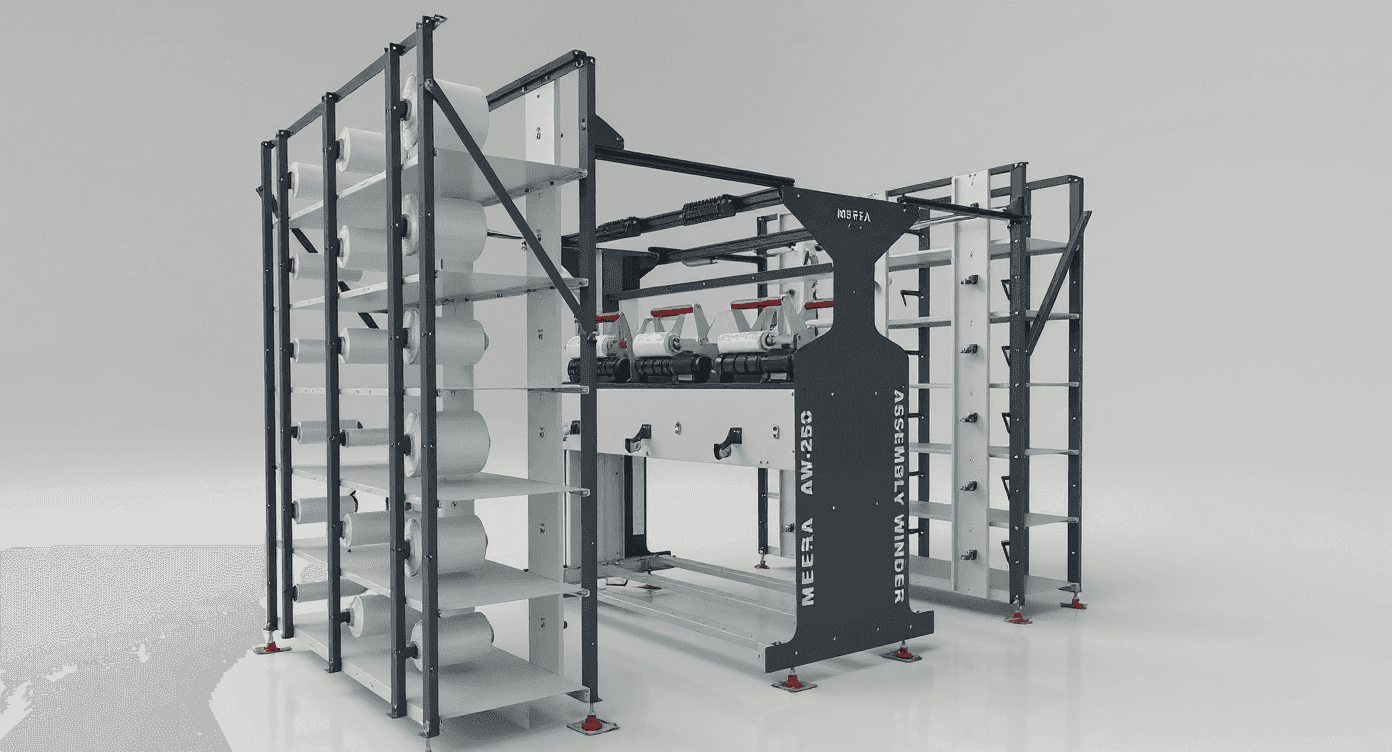
Many weaving facilities face common challenges like thread breakage, machine breakdowns, or inconsistent fabric quality. Often, these issues arise from improper optimization settings or a lack of maintenance.
Understanding these challenges helps you anticipate and mitigate problems before they disrupt production. By addressing these common issues proactively, you can enhance efficiency and ensure a smooth, uninterrupted workflow.
Inconsistent Calibration: Machines that are not calibrated regularly can result in uneven fabric and defects. Consistent calibration checks are essential to maintaining quality.
Thread Breakage: Poor tension or improper machine settings can lead to frequent thread breakage. Regular adjustments and maintenance are key to preventing this issue.
Machine Wear and Tear: Continuous use of weaving machines can lead to wear and tear, which affects their performance. Regular maintenance and timely part replacement are essential to keep machines running smoothly.
Operator Skill Level: Not all operators may be skilled in adjusting machine settings for optimal performance. Providing proper training and creating clear guidelines can help ensure that the machines are always set to their best potential.
How Meera Industries Can Help Textile Businesses?
Optimizing weaving machine settings is essential for improving fabric quality, reducing downtime, and increasing overall production efficiency. With advancements in weaving technology, manufacturers can now achieve higher precision, better fabric finishes, and faster production cycles.
Meera Industries offers innovative, high-performance textile machinery designed to optimize every aspect of the weaving process. With over 25 years of experience and a reputation for pioneering textile twisting technologies, we provide the right tools and equipment to improve production quality and performance.
Customized Solutions: Meera Industries specializes in providing weaving machinery solutions that cater to the specific requirements of the business, ensuring optimized performance based on fabric type, production scale, and industry needs.
Innovative Technology: Our Two-for-One (TFO) technology and other innovations allow for precise control, enabling businesses to reduce waste and improve fabric quality.
Global Reach: Serving more than 25 countries, Meera Industries ensures that textile manufacturers worldwide benefit from our advanced solutions and expertise in machine optimization.
Continuous Support: Meera’s team of experts offers ongoing support and optimization services, ensuring your weaving machines are always running at their peak potential.
By investing in advanced weaving machines, textile manufacturers can streamline their processes and improve output quality. Let Meera Industries provide the tools and expertise to help your business achieve its full potential. Contact us today to learn more about how our solutions can elevate your production process.
FAQs
Q. What is the process of setting up a loom for weaving?
Setting up a loom involves preparing the warp thread, threading it through the heddles, and ensuring the correct tension. The shuttle is loaded with weft yarn, and the loom is calibrated to ensure smooth weaving without disruptions or thread breakage.
Q. How do you ensure quality control during the weaving process?
Quality control in weaving involves monitoring the fabric’s consistency, checking for defects like uneven threads or knots, and ensuring the right tension. Regular inspections, pattern checks, and testing fabric strength are crucial for maintaining high-quality output.
Q. What are two types of looms?
Two common types of looms are hand looms, which are operated manually, and automatic looms, which use mechanized processes to weave fabric more quickly and efficiently, offering higher productivity.
Q. What are some common loom weaving mistakes?
Common loom weaving mistakes include improper thread tension, incorrect shuttle handling, and misaligned heddles. These can lead to fabric defects like irregular patterns, broken threads, or uneven texture, impacting overall production quality.
Q. What common mistakes should I avoid when optimizing settings?
Avoid over-tightening threads, ignoring regular calibration, and neglecting to test settings with small batches before full production.