Silk Yarn Twisting Machine: A Complete Guide
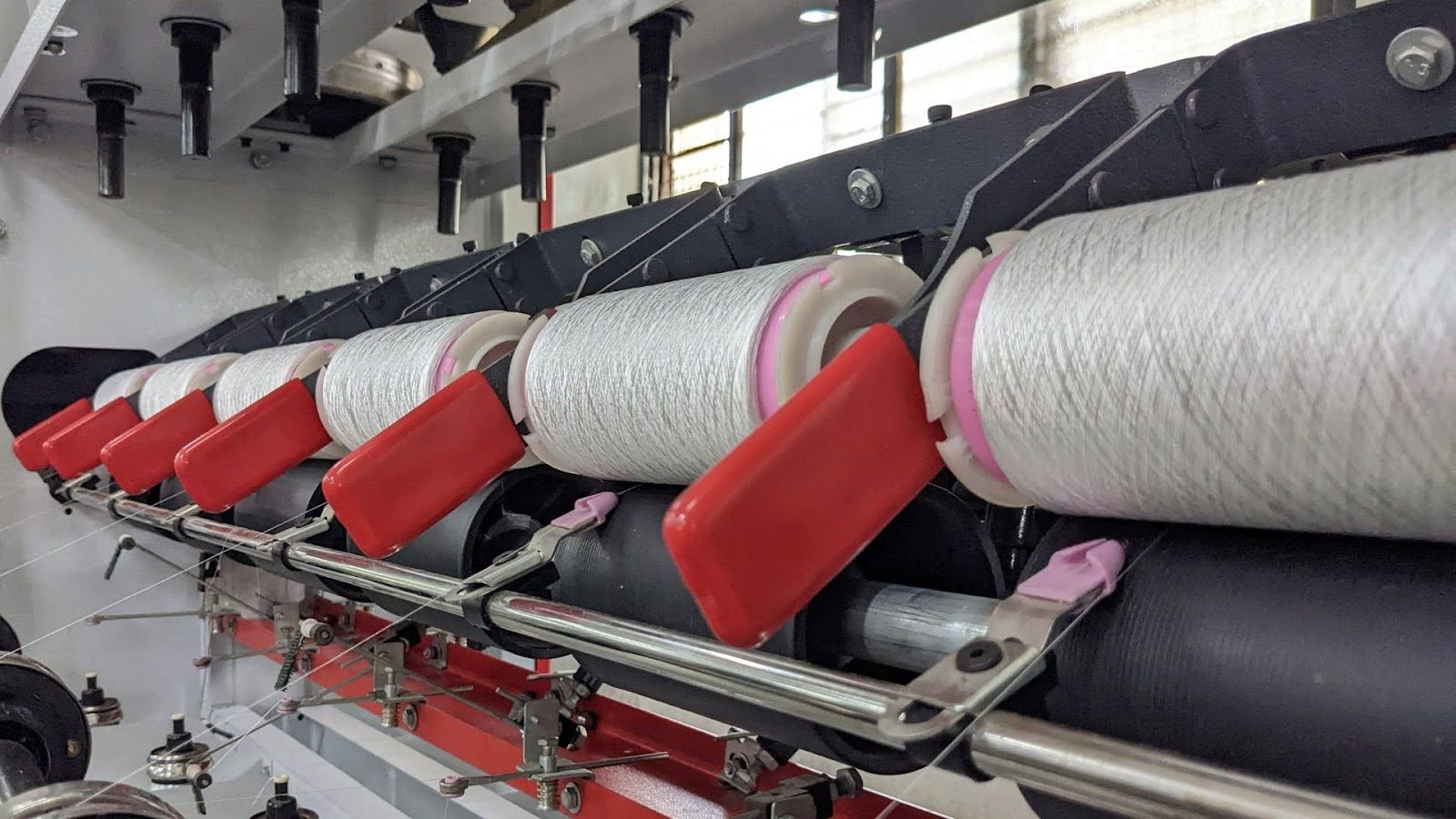

A silk yarn twisting machine stands at the center of modern silk processing, helping you achieve both high efficiency and superior yarn quality. If you produce, source, or work with silk yarn, you know that quality and consistency are critical for high-value textiles.
Silk yarn must be twisted with careful tension, uniformity, and precision to meet demanding standards in apparel, home furnishings, and technical textiles. With the right twisting machine, you gain control over essential parameters such as spindle speed, thread tension, and the number of twists per meter.
These features let you produce yarn that is not only uniform in structure but also strong, smooth, and suitable for a wide range of industry requirements. Investing in a well-designed silk yarn twisting machine directly supports your goals for higher productivity, less waste, and consistent high-quality output.
In this blog, you get a clear overview of silk yarn twisting machines, their working principles, key features, preparation steps, types, essential maintenance tips, and answers to common questions.
Overview
A silk yarn twisting machine is essential for producing strong, smooth, and consistent silk yarn suitable for various textile applications.
Understanding the machine’s key components and features helps you maintain yarn quality while minimizing breakage and downtime.
Different twisting machine types—from semi-automatic to advanced Two-for-One (TFO) twisters—offer options tailored to your production scale and quality needs.
Proper yarn preparation, including sorting, degumming, and conditioning, sets the foundation for successful twisting and superior yarn performance.
Regular maintenance and correct operation practices ensure steady machine performance and help prevent production interruptions.
How the Silk Yarn Twisting Machine Works
Silk yarn twisting is a mechanical process where you feed strands of silk yarn through a precisely controlled system to give them a specified number of twists per meter. Understanding this process helps you improve the yarn’s strength, elasticity, and overall quality, making it suitable for various textile applications.
How it works:
As you run the yarn through the machine, spindles rotate the yarn at high speed while guide systems keep tension consistent and direct individual threads along the correct path.
Each twist increases both the strength and the elastic properties of the finished yarn, which is critical for weaving and knitting applications.
Your twisting machine uses a drive mechanism to spin bobbins or cones, creating circular motion that inserts the twist.
Guides and tensioners prevent tangles or weak spots and help you monitor twist quality throughout production.
By controlling parameters like spindle speed and tension, you can achieve strong, smooth, and uniform silk yarn every time.
Key Components and Features
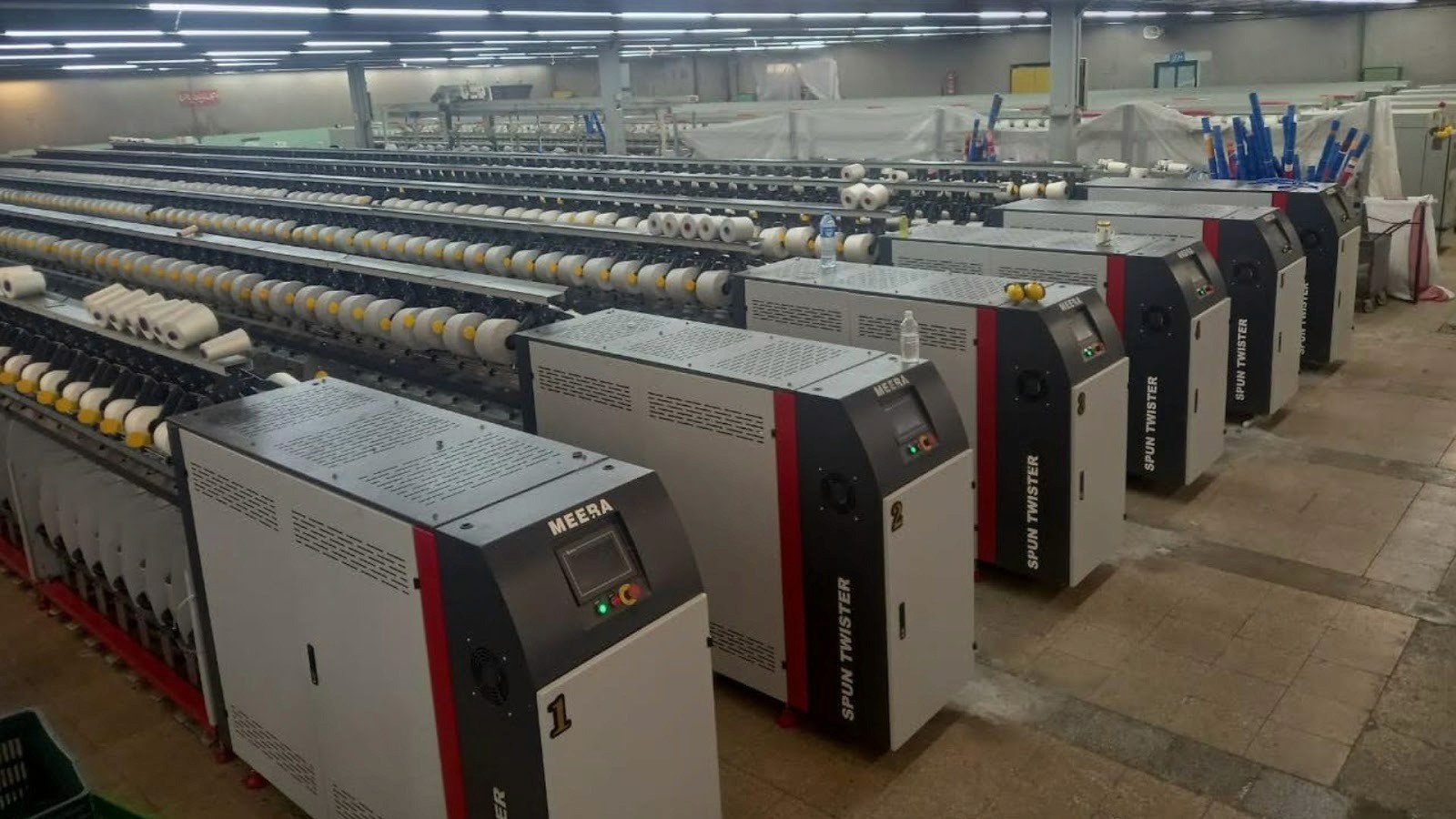
In a silk yarn twisting machine, you will find several key components working together to ensure smooth and consistent yarn production.
Each part plays a crucial role in maintaining yarn quality, minimizing breakage, and allowing you to adjust the twisting process to meet specific production needs.
Understanding these components can help you better operate and maintain the machine for reliable output.
Key Components:
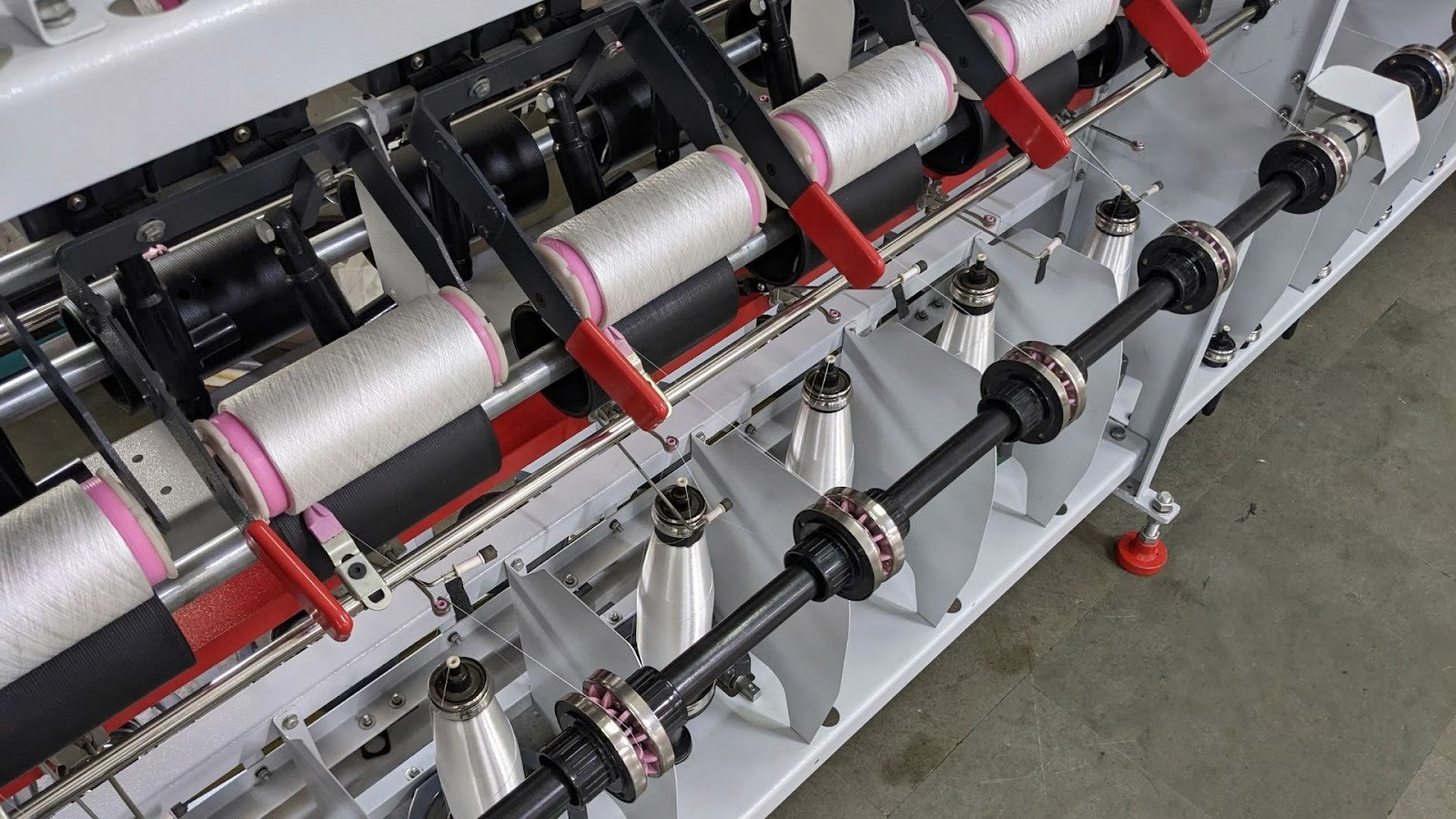
Tapered Bobbin and Support Arm: Holds the silk yarn and rotates smoothly to avoid yarn entanglement.
Axle and Bearing Arrangement: Connects the bobbin and support arm, enabling high-speed rotation with reduced friction.
Driving Belt and Motor: Transfers power to rotate the axle and support arm steadily.
Thread Carrier and Tension Springs: Guides the yarn and maintains proper tension to prevent yarn breakage and ensure uniform twisting.
Batching Apparatus: Collects the twisted yarn neatly for further processing or storage.
Key Features:
High-Speed Rotation: Designed bearings allow the axle to spin at high speeds for increased production.
Tension Control: Spring-loaded thread carriers give you precise control over yarn tension, reducing breaks and inconsistencies.
Smooth Yarn Feed: Special bobbin and guide designs keep the yarn layer orderly, preventing tangles during twisting and unwinding.
Variable Twist Settings: You can adjust spindle speed and tension to produce different twist levels suited to your yarn specifications.
Multi-Bobbin Support: Machines often hold multiple bobbins simultaneously to increase output without sacrificing quality.
Types of Silk Yarn Twisting Machines
When choosing a silk yarn twisting machine, it helps to understand the main types available and how each fits your production needs. Different machines offer varying levels of automation, speed, and yarn handling methods.
This variety lets you balance cost, control, and output depending on your scale and yarn quality goals. Whether you seek hands-on operation or fully automated high-volume production, there is a twisting machine type designed to meet your requirements efficiently and maintain the delicate nature of silk yarn.
Silk Yarn Twisting Machine Types:
Semi-Automatic Twisting Machines
Semi-automatic machines require some manual feeding of yarn and monitoring during operation. They offer a balance between control and productivity. You set the machine parameters, but you still need to manage threading and some quality checks. These machines suit small to medium-scale production where flexibility and cost-saving matter.
Automatic Twisting Machines
Automatic machines handle yarn feeding, twisting, and winding with minimal human intervention. They deliver high output and consistent quality. You can adjust settings digitally for different twist levels and yarn types. These machines are best for large-scale production where you want to reduce labor and speed up processes reliably.
Two-for-One (TFO) Twisters
TFO machines twist two or more yarn strands simultaneously by rotating spindles in opposite directions. This method produces a balanced yarn that is strong and less likely to untwist. When you use TFO twisters, you increase production speed and get consistent yarn quality, ideal for silk and delicate fibers.
Other Types
Vertical Back Twist Machines (BTV): In these machines, yarn twisting happens vertically, allowing better control of tension for silk yarn that needs gentle handling.
Outflow Twister Machines: These machines use an airflow system to twist the yarn. This method reduces mechanical tension and delicately handles fine silk fibers.
High-Speed Single Twist Cantilever Machines: Designed for high-speed operation, these machines twist yarn on a cantilevered spindle, allowing quick changeover and high productivity without compromising smoothness.
Experience smooth and high-quality silk yarn production with Meera Industries’ TFO twister. Designed for precision and low noise, it offers fast spindle speed adjustments for your unique needs. Contact us now for detailed specifications and quotes.
Yarn Preparation and Pre-treatment
Before you begin twisting, silk yarn must be carefully prepared and treated. This preparation ensures the yarn is strong, smooth, and ready for uniform twisting without damage.
Here’s how you do it:
Sorting Silk Cocoons: Begin by sorting the cocoons to remove any damaged or poor-quality ones. This ensures better yarn strength and consistency.
Boiling and Softening: Boil the sorted cocoons to soften the natural gum (sericin) that holds silk fibers together. This step helps in the easy extraction of silk threads.
Reeling Silk Threads: Carefully unwind the softened silk filaments from the cocoon. Several filaments are combined during reeling to form a single thread of silk yarn.
Degumming: Remove remaining sericin from the threads through washing, leaving behind soft, lustrous silk fibers ready for processing.
Dyeing (If Needed): Perform dyeing at this stage if colored yarn is required. The yarn is immersed in dye baths and treated to ensure even color absorption.
Drying and Conditioning: After dyeing or washing, dry the yarn properly and allow it to regain moisture in a controlled environment. This prevents brittleness during twisting.
Ball Making and Opening: Form silk fibers into manageable balls, then carefully open and align the fibers for even tension and smooth twisting.
Cleaning and Combing: Remove any impurities and short fibers to improve the smoothness and strength of the yarn.
Following these steps before twisting helps you maintain high-quality silk yarn and reduces breakage during the twisting process.
Maintenance and Best Practices
To keep your silk yarn twisting machine running smoothly and producing consistently high-quality yarn, regular maintenance and careful practices are essential. You should:
Inspect key parts like bearings, belts, and thread guides frequently to spot wear or damage early.
Keep all moving components clean and well-lubricated to reduce friction and prevent breakdowns.
Monitor yarn tension and machine speed during operation to ensure uniform twisting and avoid stress that causes breaks.
Replace worn or scratched thread guides promptly to protect the yarn from damage.
Schedule periodic checks of electrical and drive systems to maintain consistent power and control accuracy.
Train operators to handle yarn gently and address machine alerts immediately to reduce downtime.
Follow manufacturer guidelines for maintenance intervals and part replacements to extend machine life.
Maintain a clean working environment to prevent dust and debris from affecting machine parts or yarn quality.
Adhering to these practices helps you minimize unscheduled stops, maintain productivity, and produce silk yarn that meets quality standards every time.
Conclusion
Using a silk yarn twisting machine correctly is essential for producing strong, smooth, and high-quality yarn. By understanding its working process, key parts, and machine types, you can select the best fit for your needs. One common challenge you may face is maintaining consistent yarn quality while minimizing machine downtime.
Issues like yarn breakage, uneven twisting, sensor fouling, and mechanical wear can disrupt production and reduce output. Meera Industries understands these issues and offers an effective Two-for-One (TFO) twisting machine designed to deliver steady performance with precise control over twist and tension.
By choosing Meera Industries’ TFO machine, you gain a reliable partner that helps reduce yarn defects and improve productivity. Take the next step toward consistent, high-quality silk yarn and contact Meera Industries today to learn more about our advanced twisting machinery.
FAQs
Q: What makes a silk yarn twisting machine different from other yarn twisting machines?
Silk yarn twisting machines are specially designed to handle the delicate texture and strength of silk fibers. They provide precise tension control and uniform twist distribution to avoid yarn damage and maintain silk’s natural luster.
Q: How do I choose the right type of silk yarn twisting machine for my production needs?
Consider your production scale, level of automation needed, and yarn specifications. Semi-automatic machines suit smaller operations with hands-on control, while automatic and TFO machines are ideal for larger, high-volume production and consistent quality.
Q: Why is yarn preparation important before twisting silk yarn?
Proper preparation, like sorting, degumming, and conditioning, ensures smooth, strong fibers that are less likely to break during twisting. This reduces waste and produces uniform, high-quality yarns.
Q: What are the common maintenance tasks for a silk yarn twisting machine?
Regularly inspect bearings, thread guides, and belts for wear. Keep moving parts clean and lubricated, monitor yarn tension during production, and replace damaged components on time to avoid machine breakdowns.
Q: How does a Two-for-One (TFO) twisting machine improve silk yarn quality?
TFO machines twist yarns evenly by rotating spindles in opposite directions, producing strong, balanced yarn that resists untwisting. This results in consistent quality suited for fine silk textiles.
Q: Can I adjust the twist levels on my silk yarn twisting machine?
Yes, most modern twisting machines allow you to control spindle speed and tension to set the exact number of twists per meter, enabling customization based on yarn type and end-use requirements.