
Yarn Winding Machine Process: A Complete Guide
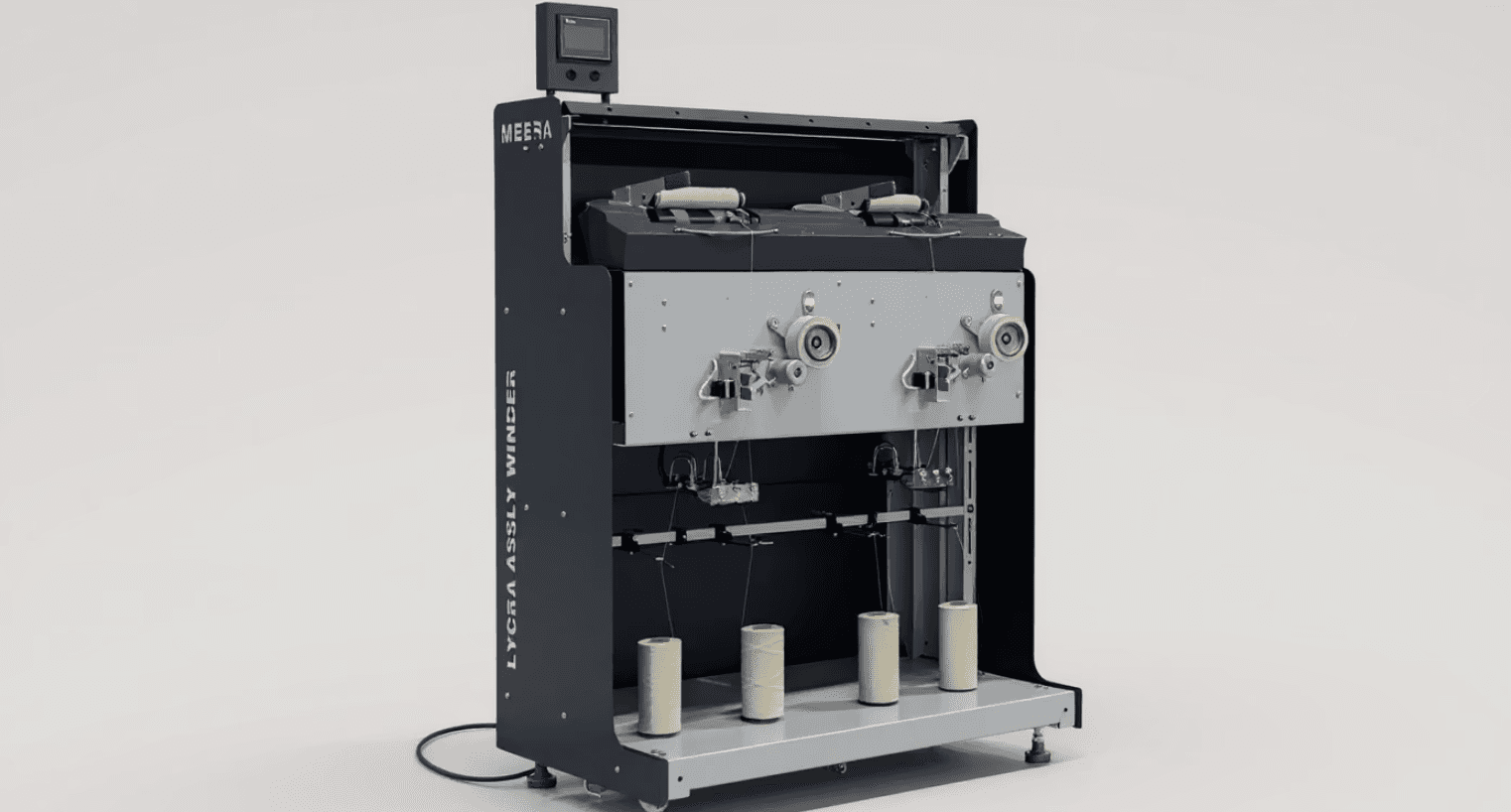

In the textile industry, the yarn winding machine process is a crucial step that affects both yarn quality and production efficiency. This process involves transferring yarn from one package to another while ensuring it is clean, properly tensioned, and free of defects.
Proper winding helps prevent tangles, breakages, and uneven tension, which can cause issues in later stages like weaving or knitting. Using a yarn winding machine allows you to handle yarn consistently and smoothly, improving your production flow.
This guide will walk you through the key steps of the yarn winding machine process, from receiving raw yarn to producing the final wound packages, and explain why each step matters. Understanding this process helps you choose the right machine, maintain yarn quality, and meet your production goals with fewer disruptions.
Quick look:
The yarn winding machine process is essential for preparing yarn by transferring it between packages while maintaining clean, properly tensioned, and defect-free yarn for further textile operations.
Key machine components like the creel, winding drum, traverse mechanism, and tension device work together to ensure smooth, even winding and high-quality yarn packages.
Following a clear step-by-step process, from loading the creel to monitoring winding and removing finished packages, helps maintain yarn consistency and production efficiency.
Careful operation and constant monitoring of tension, winding patterns, and machine condition prevent yarn breakage, uneven winding, and machine downtime.
Understanding the main mechanisms: unwinding, tensioning, clearing, and winding, enables you to identify issues early and maintain consistent yarn quality throughout the process.
Regular maintenance, such as cleaning, lubricating moving parts, inspecting yarn guides, and scheduling professional servicing, keeps your winding machine reliable and reduces costly breakdowns.
Key Components of a Yarn Winding Machine
A yarn winding machine consists of several key components that work together to ensure smooth and accurate winding of yarn. Understanding these parts will help you better operate and maintain the machine for the best results.
Key components:
Creel: The Creel holds the yarn packages that feed yarn into the machine. It keeps yarn tension steady and allows easy replacement of yarn cones.
Winding Drum: The Winding Drum or Roller is where the yarn is transferred and wound into new packages. It controls the speed and tension to avoid breakage or loose winding.
Traverse Mechanism: The Traverse Mechanism moves the yarn back and forth across the winding drum, creating an even and uniform package shape.
Tension Device: The Tension Device maintains consistent yarn tension during the winding process, preventing weak spots or tangling.
Have questions about which yarn winding machine suits your needs? Contact us today to explore our range of machinery.
Step-by-Step Yarn Winding Machine Process
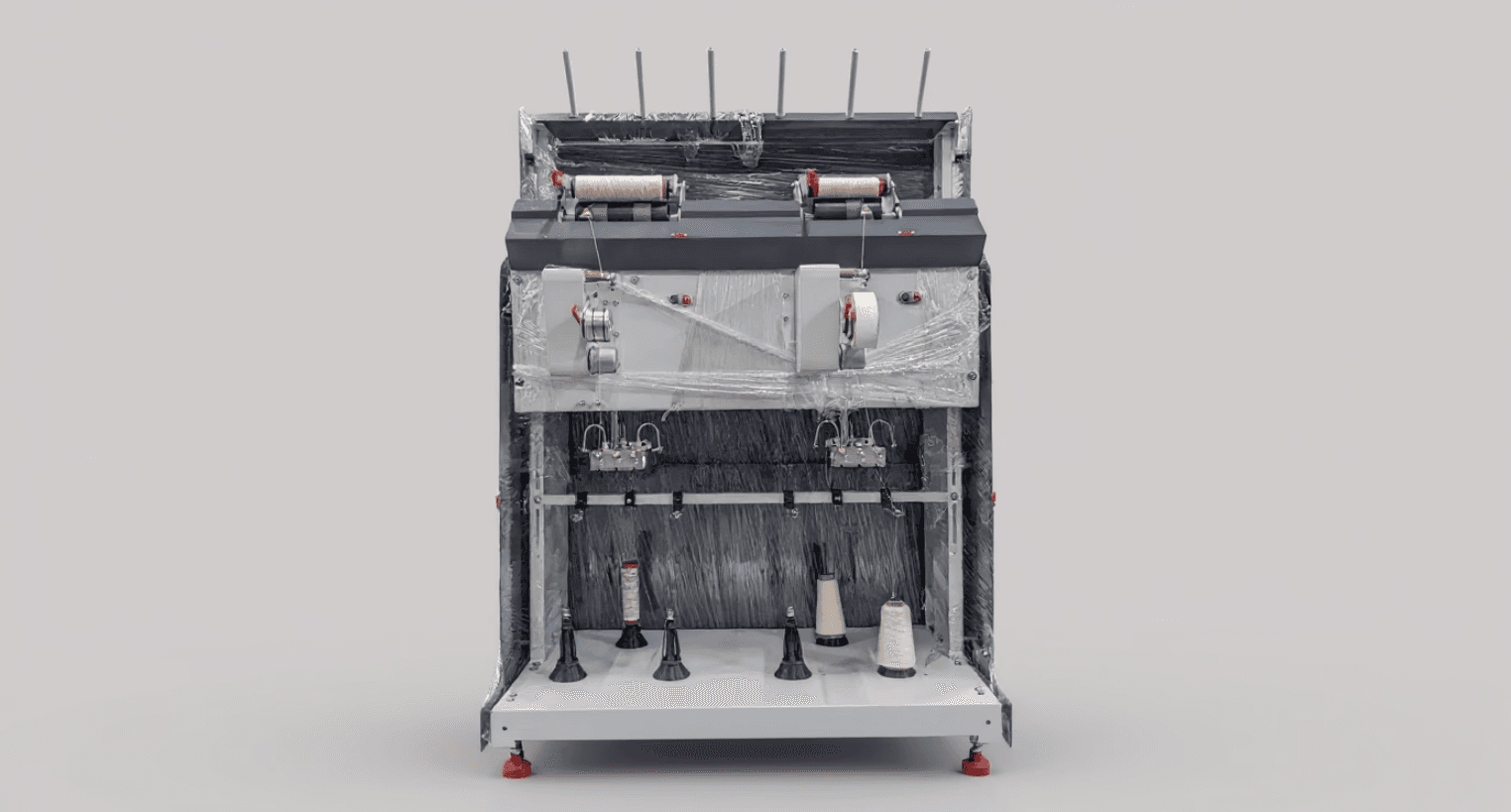
The yarn winding machine process follows clear steps to prepare yarn for the next stages of production. By understanding each step, you can ensure smooth operation and high-quality results.
Loading the Creel: Start by placing the yarn packages on the creel. Make sure each cone is securely positioned to maintain steady yarn flow.
Threading the Yarn: Guide the yarn through the tension device and other guides as required. Proper threading keeps the yarn tension balanced during winding.
Setting the Machine Parameters: Adjust the speed, tension, and winding length on the machine controls. These settings depend on the type of yarn and the final package size you need.
Starting the Winding Process: Turn on the machine to begin winding. The traverse mechanism will move the yarn evenly across the winding drum, forming a uniform package.
Monitoring the Process: Keep an eye on the yarn tension and package shape. Stop the machine if you notice any tangles, breaks, or uneven winding.
Removing the Finished Packages: Once winding is complete, carefully remove the finished yarn packages. Label and store them properly for the next stage of production.
Operating and Monitoring a Yarn Winding Machine
Operating a yarn winding machine requires precision and careful control to ensure the yarn is wound smoothly and consistently. Proper operation not only helps prevent yarn damage but also reduces machine downtime and waste.
By paying close attention to key factors like tension, winding pattern, and machine condition, you can maintain the quality of yarn packages and keep production running without unexpected interruptions.
Important tips:
Start with Proper Setup: Ensure the yarn packages are loaded correctly and the yarn is threaded through all guides and tension devices. Double-check machine settings for speed, tension, and package size before starting.
Maintain Consistent Tension: Watch the tension device closely. Consistent yarn tension prevents breakage and ensures even winding across the package.
Observe the Winding Pattern: Check the movement of the traverse mechanism to confirm that the yarn is winding evenly. Uneven winding can cause poor package shape and affect downstream processes.
Monitor Machine Performance: Listen for unusual noises and watch for vibrations or sudden stops. These could indicate mechanical issues or yarn problems that need quick attention.
React Quickly to Problems: If yarn breaks, tangles, or if you see irregular winding, pause the machine and fix the issue before restarting to avoid defects.
Main Functions in Yarn Winding
In the yarn winding process, several key mechanisms play distinct roles to maintain yarn quality and ensure smooth operation. Each mechanism, from unwinding to winding, must work precisely to avoid yarn damage, breakage, and uneven packages.
When these parts function together correctly, they keep yarn tension steady, detect and remove defects, and produce uniform packages ready for the next manufacturing stage.
Understanding how these mechanisms interact helps you identify problems early and make necessary adjustments, leading to better productivity and consistent, high-quality yarn output.
Main functions:
Unwinding
The unwinding mechanism carefully pulls yarn from the original package, such as cones or bobbins. It is designed to maintain a steady rate without sudden pulls or slack, which could cause yarn breakage or uneven feed. A smooth unwinding process reduces stress on the yarn fibers, helping to preserve their strength and quality as they move through the machine.
Tensioning
The tensioning mechanism applies controlled resistance to the yarn as it feeds into the machine. This keeps the yarn tight enough to avoid slack but not so tight that it stretches or weakens. By maintaining consistent tension, this mechanism helps produce a uniform wound package and prevents yarn faults like looping or snapping during winding.
Clearing
The clearing mechanism inspects the yarn for irregularities such as knots, thick spots, or weak threads. When defects are detected, the machine can automatically stop or cut out the faulty section to prevent these imperfections from continuing onto the rewound package. This protects both your yarn quality and the smooth operation of downstream machines.
Winding
The winding mechanism reels the yarn onto a new package, shaping it evenly and tightly. It works closely with the traverse system, which moves the yarn guide back and forth to layer the yarn uniformly across the package length. This even winding prevents loose loops or tight spots that could cause tangling or uneven tension when the yarn is used later.
Common Problems and Fixes in Yarn Winding
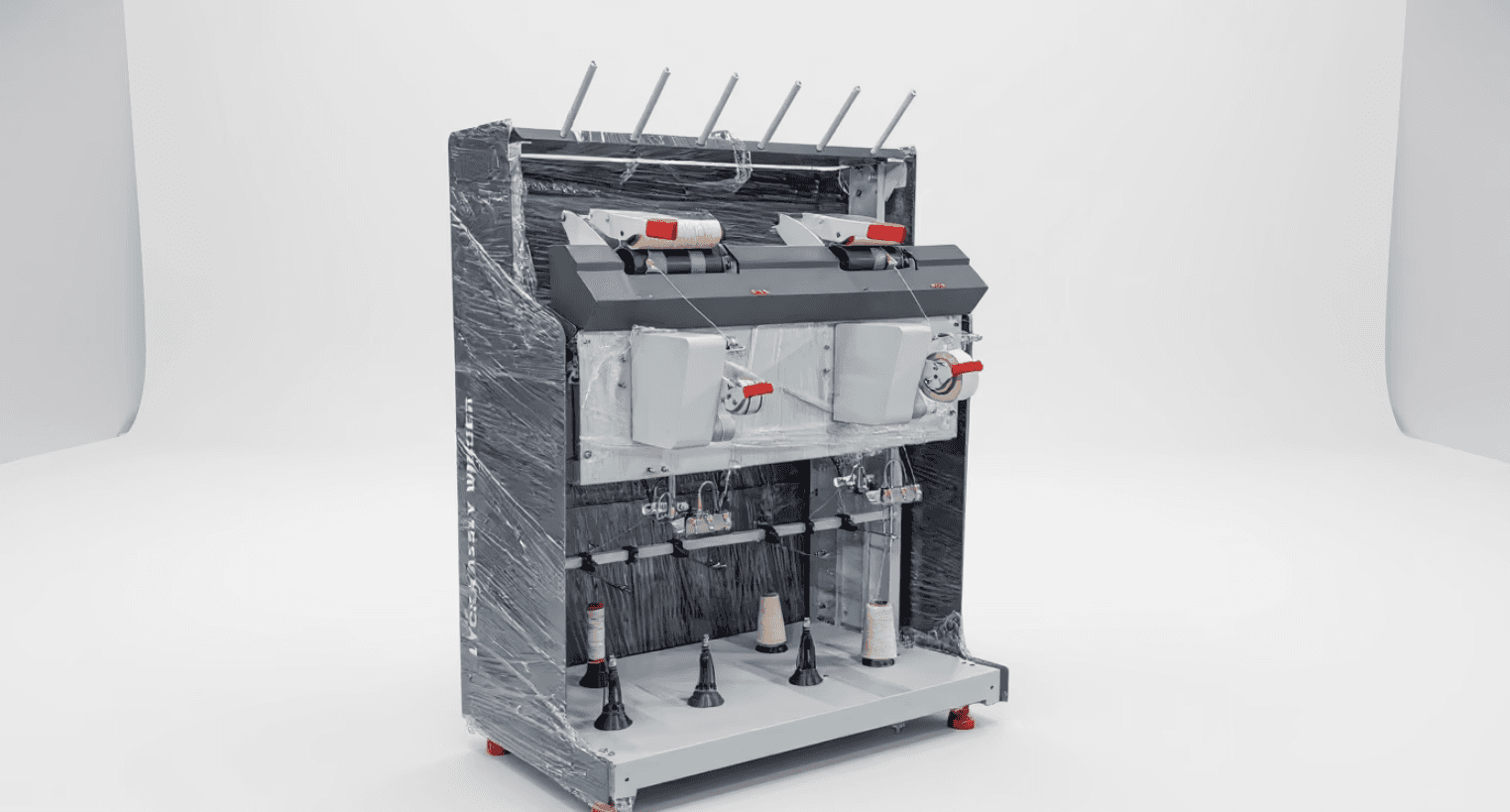
During yarn winding, certain issues can affect both the quality of the yarn and the efficiency of your production. Identifying these common problems early and knowing how to fix them is essential to preventing costly delays and material waste.
By understanding the causes behind these problems and applying straightforward solutions, you can maintain consistent yarn packages and ensure smoother manufacturing processes. With systematic attention to these issues, you will improve the reliability and output of your yarn winding operations.
Yarn Winding Problems and Solutions:
Yarn Breakage
Problem: Yarn snaps frequently during winding, causing delays.
Fix: Check the yarn tension and reduce it if too high. Inspect the yarn feed for any sharp edges or obstructions. Ensure the machine is clean and well-maintained.Uneven Winding
Problem: The yarn package has uneven layers or loose spots.
Fix: Adjust the traverse mechanism for smooth, even movement. Make sure the tension device is working properly to keep consistent yarn tightness.Yarn Tangling
Problem: Yarn gets tangled during winding, leading to knots.
Fix: Confirm the yarn is threaded correctly through all guides. Monitor the unwinding mechanism to ensure steady yarn flow without sudden pulls or slack.Machine Stopping Unexpectedly
Problem: The winding machine stops without warning.
Fix: Check for any yarn breaks or jams. Inspect sensors and clearing mechanisms that detect yarn defects. Regular machine maintenance helps prevent mechanical failures.Weak Spots or Knots in Yarn
Problem: Faulty yarn sections pass through, causing defects in the final package.
Fix: Use the clearing mechanism to detect and remove weak spots automatically. Manually check yarn quality before winding.
Maintenance and Care for Yarn Winding Machines
When you work with yarn winding machines daily, regular maintenance and care are essential to keep them running smoothly and prevent unexpected breakdowns
A well-maintained machine not only lasts longer but also produces better quality yarn, reducing wasted material and downtime.
Taking time each day to check and clean your machine can save you from bigger problems later and help you meet your production targets consistently.
Some practical tips:
Clean the Machine Daily: Remove dust, lint, and leftover yarn bits from all parts to prevent build-up that can cause jams or wear.
Check Yarn Guides and Creel: Make sure yarn paths are smooth and free from sharp edges or damage that could weaken the yarn.
Lubricate Moving Parts: Apply the recommended lubricant regularly to keep rollers, bearings, and other moving parts running smoothly without friction.
Inspect Tension Devices and Sensors: Ensure these parts work correctly to maintain yarn quality and detect faults early.
Schedule Routine Servicing: Have professional technicians check the machine at regular intervals to catch issues before they become serious.
Meera Industries: Delivering Excellence in Yarn Winding Machinery
Yarn winding can be challenging when machines cause frequent yarn breakage, uneven packages, or unexpected downtime. These issues slow your production and increase costs. Meera Industries understands these pain points and offers yarn winding machines designed for reliability and consistent performance.
With years of experience and focus on quality, Meera Industries provides machines built to maintain steady yarn tension, reduce waste, and deliver uniform wound packages. Our designs and easy-to-maintain parts help you minimize disruptions and keep your production on track.
If you want to improve your yarn winding process and ensure smoother operations, consider Meera Industries for proven machinery and support. Contact Meera Industries today to learn more about our yarn winding machinery and how we can meet your specific needs. Take the next step toward better yarn quality and productivity now.
FAQs
Q. What is the yarn winding machine process?
The yarn winding machine process transfers yarn from one package to another, ensuring it is properly tensioned, clean, and free from defects. This prepares yarn for weaving, knitting, or other textile processes.
Q. What are the main parts of a yarn winding machine?
Key parts include the creel (holds yarn packages), winding drum or roller (where yarn is wound), traverse mechanism (moves yarn evenly across the package), and tension device (maintains steady yarn tension).
Q. How can I prevent yarn breakage during winding?
Make sure the yarn tension is balanced, not too tight or loose. Check threading through guides and tension devices, and maintain clean machine parts free from sharp edges or obstructions.
Q. What causes uneven yarn winding, and how do I fix it?
Uneven winding often comes from improper traverse mechanism settings or inconsistent tension. Adjust machine settings to ensure smooth, even movement and steady yarn tightness.
Q. How do I maintain a yarn winding machine for long-lasting performance?
Clean dust and lint regularly, lubricate moving parts, inspect tension devices and yarn guides for wear, check sensors, and schedule routine technical inspections.
Q. What common yarn defects can be detected during winding?
Defects like knots, weak spots, or thick places can be detected by clearing mechanisms that stop or remove faulty yarn sections to keep the final package free from imperfections.