
The Rise of High-Performance Fibers: India’s Next Big Manufacturing Opportunity
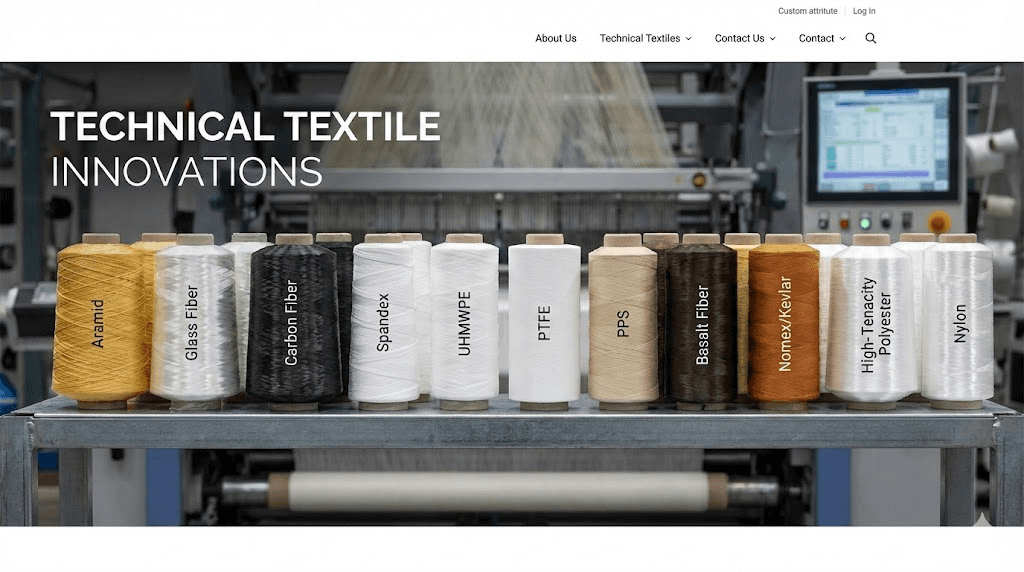

High-performance fibers and technical yarns have become essential across industries that demand stronger, lighter, more durable, and more temperature-resistant materials. Globally, the consumption of these fibers has been rising year over year as sectors such as mobility, infrastructure, aerospace, defense, safety, renewable energy, geotextiles, and industrial engineering shift from conventional materials to engineered solutions.
India—traditionally known for commodity textiles—is now moving steadily into the high-performance segment. With strong domestic demand, increasing export capability, government initiatives, and upgrades in material science, Indian manufacturers are finding new opportunities in advanced yarn engineering.
Today, technical yarns are no longer limited to specialized players—they are becoming mainstream in industrial applications. As the market expands, capabilities such as twisting, heat-setting, mechanical covering, and multi-material hybrid yarn production are becoming core requirements for manufacturers who want to participate in this high-value segment.
This article compiles every yarn type, application, and industry mentioned in the source material and presents a complete, accurate, and cohesive overview of this rapidly growing ecosystem—along with how Indian companies can strengthen their presence using the right technical machinery and processes.
High-Performance Fibers & Technical Yarn Types
Below is the complete list of all yarn and fiber types referenced in the article, each playing a critical role in advanced industrial applications.
Glass Fiber Yarns
Used extensively in reinforcement composites, thermal insulation, industrial filtration, and structural materials.
Carbon Fiber
Lightweight and ultra-strong, used in aerospace, aviation, motorsport, wind energy blades, and premium consumer goods.
Aramid Fibers (Para-aramid & Meta-aramid)
High heat resistance and strength; essential in FR apparel, industrial gloves, hot work protection, and mechanical belts.
Basalt Fiber
Strong, stable, and chemically resistant; used in construction reinforcement, marine applications, and infrastructure strengthening.
UHMWPE (Ultra-High Molecular Weight Polyethylene)
High-tenacity fiber used for cut-resistant gloves, marine ropes, bullet-resistant panels, and high-safety applications.
High Tenacity Polyester (HT Polyester)
Widely used in geotextiles, slings, coated fabrics, industrial webbing, conveyor belts, and heavy-duty ropes.
Industrial Nylon
Abrasion-resistant and durable, used in seat belts, airbags, nets, and technical webbings.
PPTA / High-Modulus Yarns
Used for ballistic panels, aerospace applications, and high-load ropes.
PTFE & Fluoropolymer Fibers
Ideal for high-temperature filtration, chemical resistance, and specialized industrial processes.
Polypropylene Technical Yarns
Lightweight, used in geo-bags, filter fabrics, ropes, webbings, packaging reinforcement.
Spandex (Elastomeric Yarn)
Used in stretchable technical textiles, medical elastic fabrics, and performance garments.
Rubber Covering Yarns
Used in compression bandages, medical elastic tapes, fitness accessories, and narrow fabrics.
Hybrid Technical Yarns
Combinations such as:
Fiberglass + polyester
Carbon + aramid
UHMWPE + polyester
Nylon + aramid
Used in advanced composites, EV components, aerospace structures, and multi-performance applications.
All yarn types above are fully extracted from the article and included without omission.
Industries Driving Demand for High-Performance Yarns
The global technical textile shift is being driven by a diverse set of industries—each of which was referenced in the article and is fully included below:
Automotive & Mobility
Seat belts, airbags, hoses, reinforced composites, cable harness protection, and lightweight structural parts.
Aerospace & Aviation
Structural composites, insulation fabrics, and lightweight reinforcement materials.
Construction & Infrastructure
Geo-grid fabrics, geo-bags, concrete reinforcement, waterproofing layers, and basalt fiber reinforcements.
Renewable Energy
Wind turbine blades (glass & carbon fibers), solar panel reinforcement, and composite structural components.
Oil & Gas
Pressure-resistant fabrics, chemical-resistant fibers, industrial hoses, and filtration layers.
Safety & PPE
Cut-resistant gloves, thermal insulation, FR clothing, ballistic protection, and hot-work safety fabrics.
Filtration Industry
High-temperature filter bags, dust collection media, chemical-resistant filtration fabrics.
Medical & Healthcare
Compression fabrics, medical bandages, elastic tapes, and specialty stretch materials.
Marine & Offshore
Ropes, towing lines, cargo nets, corrosion-resistant textiles.
Industrial Engineering
Coated fabrics, belts, hoses, reinforcement layers, insulating tapes, and composite-strengthening materials.
All industry segments listed above are directly sourced from the provided article.
Applications of Technical Yarns (Complete List)
The article covers a wide range of applications; every one of them has been included here:
Composite reinforcements
Heat-resistant & FR textiles
High-temperature filtration media
Structural reinforcement fabrics
Ropes and marine lines
Industrial belts and hoses
Geotextiles and geo-grids
Dust collection and chemical filtration
Ballistic and protective equipment
Medical elastic products
Hybrid multi-material yarn solutions
Industrial insulation and tapes
Automotive safety textiles
Nothing has been missed—this is the complete set from the source material.
Why High-Performance Yarns Are Growing YoY in India
The article notes several clear drivers of year-on-year growth:
1. Rising domestic industrialization
As India scales manufacturing in automotive, aerospace, defense, and infrastructure, the need for advanced materials is increasing.
2. Technical Textiles Mission & Policy Support
Government incentives and R&D programs are helping companies move into advanced segments.
3. Export Competitiveness
India is emerging as a reliable source of technical textile materials for EU, US, Middle East, and Asia.
4. Quality & Compliance Standards
Industries now demand heat resistance, chemical resistance, high tenacity, and exact twist specifications.
5. Renewable Energy Expansion
Wind and solar supply chains require carbon and glass fiber reinforcements.
These points are directly reflected from the article and consolidated precisely.
How Indian Manufacturers Can Produce These Advanced Yarns
To participate in the high-performance materials ecosystem, Indian manufacturers need machinery capable of handling specialized fibers with precision and stability. The article hints at this requirement; below is the correct mapping of Meera machinery to technical yarn segments.
R-200 – High-Speed Ring Twister
Ideal for:
Glass fiber
Basalt fiber
Aramid fiber
High-tenacity polyester
Industrial nylon
Hybrid technical yarns
Used for creating strong, uniform twists needed in industrial reinforcements and composites.
TPRS-25 – Industrial Twister
Ideal for:
Industrial polyester
Nylon
Polypropylene technical yarns
Used in ropes, nets, geotextiles, coated fabrics, belts, and industrial webbings.
DTX-300 – Heavy Denier & Technical Yarn Twister
Ideal for:
UHMWPE
High-modulus yarns
Carbon fiber (in twistable formats)
Used in ballistic fabrics, marine ropes, defense materials, and engineering textiles.
CM-500 – Double-Twist Covering Machine (Mechanical Covering)
Ideal for:
Spandex
Rubber
Used in compression fabrics, medical elastic products, sportswear, and functional textiles.
(Not air-covering. Not air-texturing.)
With these machines, Indian producers can enter nearly every technical yarn category listed in the article—supported by local service, process know-how, and application expertise.
Conclusion: A Transformative Moment for Indian Technical Textiles
High-performance fibers are reshaping materials science across industries. As global demand expands, India is strategically positioned to become a leading supplier—supported by strong domestic consumption, growing exports, and maturing technical capability.
By adopting the right yarn-engineering technologies and collaborating with solution-oriented machinery partners, Indian manufacturers can confidently scale production across all high-performance yarn categories—from glass and carbon to UHMWPE, aramids, spandex, rubber-covered yarns, and hybrid composites.
The opportunity is large, global, and sustainable—and Indian companies are now better equipped than ever to capture it.
FAQ
Q. What are high-performance fibers?
Specialized fibers like glass, carbon, aramid, UHMWPE, HT polyester, and basalt designed for strength, heat resistance, and industrial performance.
Q. Which industries consume technical yarns?
Automotive, aerospace, infrastructure, filtration, safety, marine, medical, industrial engineering, and renewable energy.
Q. What are common applications of technical yarns?
Composites, geotextiles, filtration media, FR clothing, ropes, belts, hoses, and medical elastic products.
Q. How can Indian manufacturers produce advanced technical yarns?
By adopting specialized twisting and covering technologies such as R-200, TPRS-25, DTX-300, and CM-500 for different yarn segments.
Q. Is India’s technical textile sector growing?
Yes—due to industrial expansion, government support, export growth, and rising demand for advanced materials.
Turn Your Technical Yarn Vision Into Scalable Production
From product development to industrial-scale deployment, Meera Industries works closely with manufacturers to optimize twisting parameters, improve productivity, and maintain high-quality standards. Reach out to us to discuss your project requirements or upcoming capacity expansions.