Yarn Faults in Winding: 8 Types Ruining Fabric Quality & How to Fix
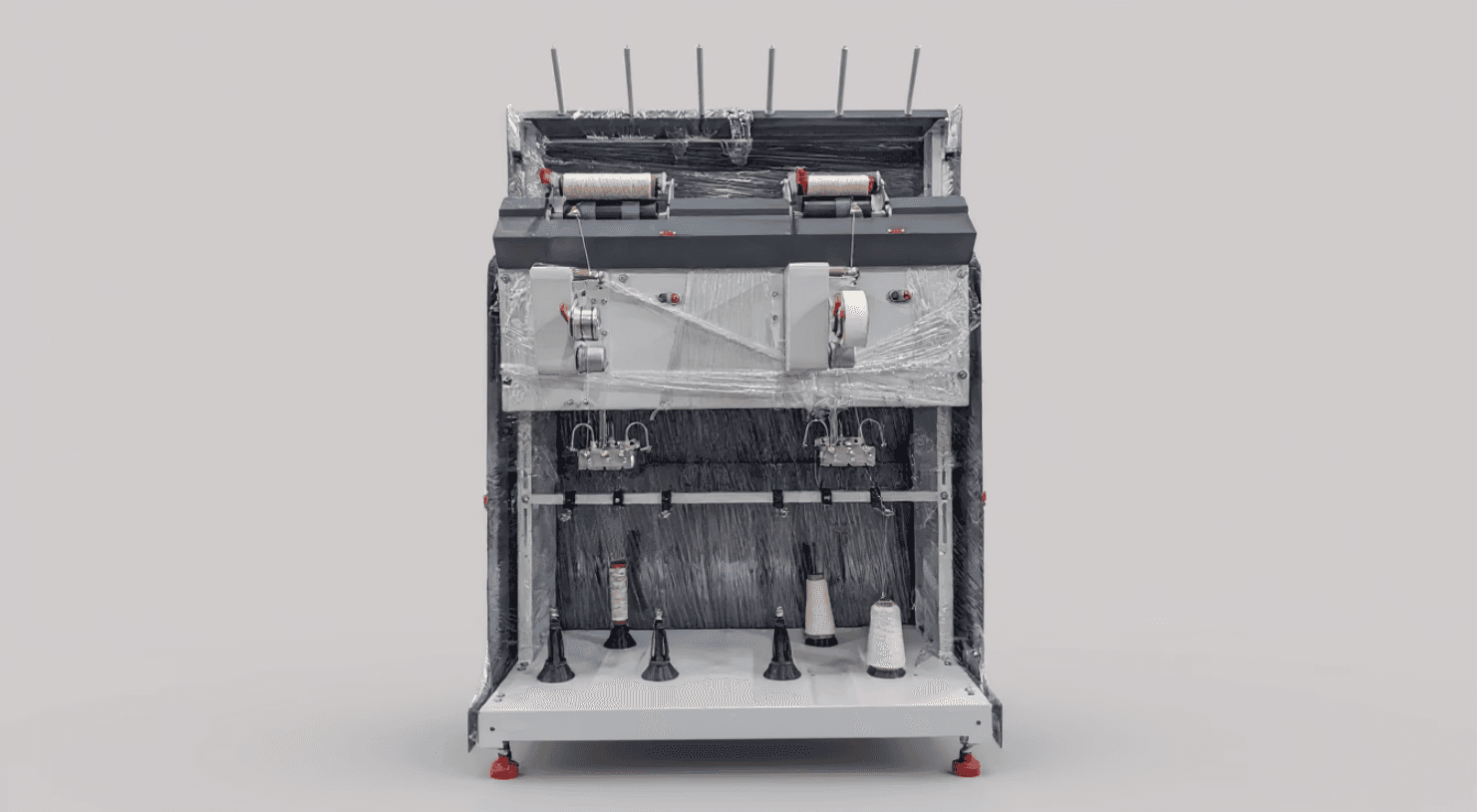

Yarn winding is an important step in the textile manufacturing process. In this step, yarn is transferred from one type of package, such as a bobbin, to another form, like a cone or cheese. This way, it is prepared for dyeing, weaving, or knitting. The goal is to create smooth, evenly wound packages with consistent tension that ensures the yarn flows smoothly through the next stage of production. This, in turn, maintains quality and reduces machine stoppages.
If the winding tension is too tight or loose, it can lead to yarn faults such as uneven winding, breaks, or loops. These defects waste material and interrupt production. They also affect the appearance and durability of the fabric. By maintaining correct tension, optimizing winding parameters, and using technologically advanced equipment, you can achieve smooth yarn flow and defect-free output.
In this blog, you’ll learn about the major types of yarn faults in winding, their causes, and effective remedies.
Key Takeaways
In yarn winding, poor winding tension and a poorly constructed package quickly result in breaks, waste, and visible faults in the fabric.
Most yarn faults in winding, like thick and thin places, neps, slubs, snarls, etc., come from a mix of raw material variation, drafting issues, poor piecing, and unstable tension.
These faults can be reduced by implementing better cleaning and maintenance, ensuring correct twist, and optimizing drafting and tension settings.
Selecting the appropriate parameters on your bobbin winding machine, cone-to-cone winder, and assembly winder machines also helps.
Modern precision winding technology, featuring high speeds, controlled tension, and flexible package building, enables you to create stable, fault-resistant yarn packages. These operate smoothly on cabling, covering, and heat-setting lines.
Decoding Yarn Faults or Defects
In textile manufacturing, a yarn that lacks uniform thickness or structure is said to have faults or defects. These faults can appear as variations in the yarn’s diameter or texture, occurring either continuously or at intervals along its length. Such irregularities affect yarn quality, which in turn influences the appearance, strength, and performance of the final fabric.
Three main categories of faults occur during yarn production:
1. Unevenness: Also called an irregularity, it refers to the natural variation in mass or thickness that occurs when fibers are not evenly distributed along the yarn. In spinning, this is often measured as Um% or CVm%, which represent the variation in the yarn’s thickness from the average.
2. Imperfections: These are frequently occurring extreme variations in the yarn’s thickness, including thin places, thick places, and neps (small knots or entangled fiber clumps). These imperfections are typically encountered 10 to 5000 times per 1000 m of yarn. A high number of imperfections indicates poor process control during the winding or spinning process.
3. Objectionable yarn faults: These are severe defects that can cause the yarn to break during high-speed twisting or weaving, causing stoppages and production losses. Usually, they are thick or thin sections that are more than double the average yarn diameter (over +100%) and longer than 1 mm. However, these occur very rarely, so identifying them requires a minimum of 100,000 meters of yarn.
Such faults generally arise from three key sources:
Raw material issues: variations can account for about 15–30% of these faults.
Improper piecing: Poor piecing (joining yarn ends) accounts for approximately 10–15%.
Spinning machine errors: Approximately 50–60% of faults are primarily caused by mechanical issues in the spinning frame, such as worn rollers, uneven drafting, or misaligned spindles.
Also Read: Yarn Winding Machine Process: A Complete Guide
Knowing these categories helps pinpoint where faults originate. Next, let’s look at the main types of yarn faults in winding, their causes, and how to fix them effectively.
Key Types of Yarn Faults in Winding (and How to Control Them)
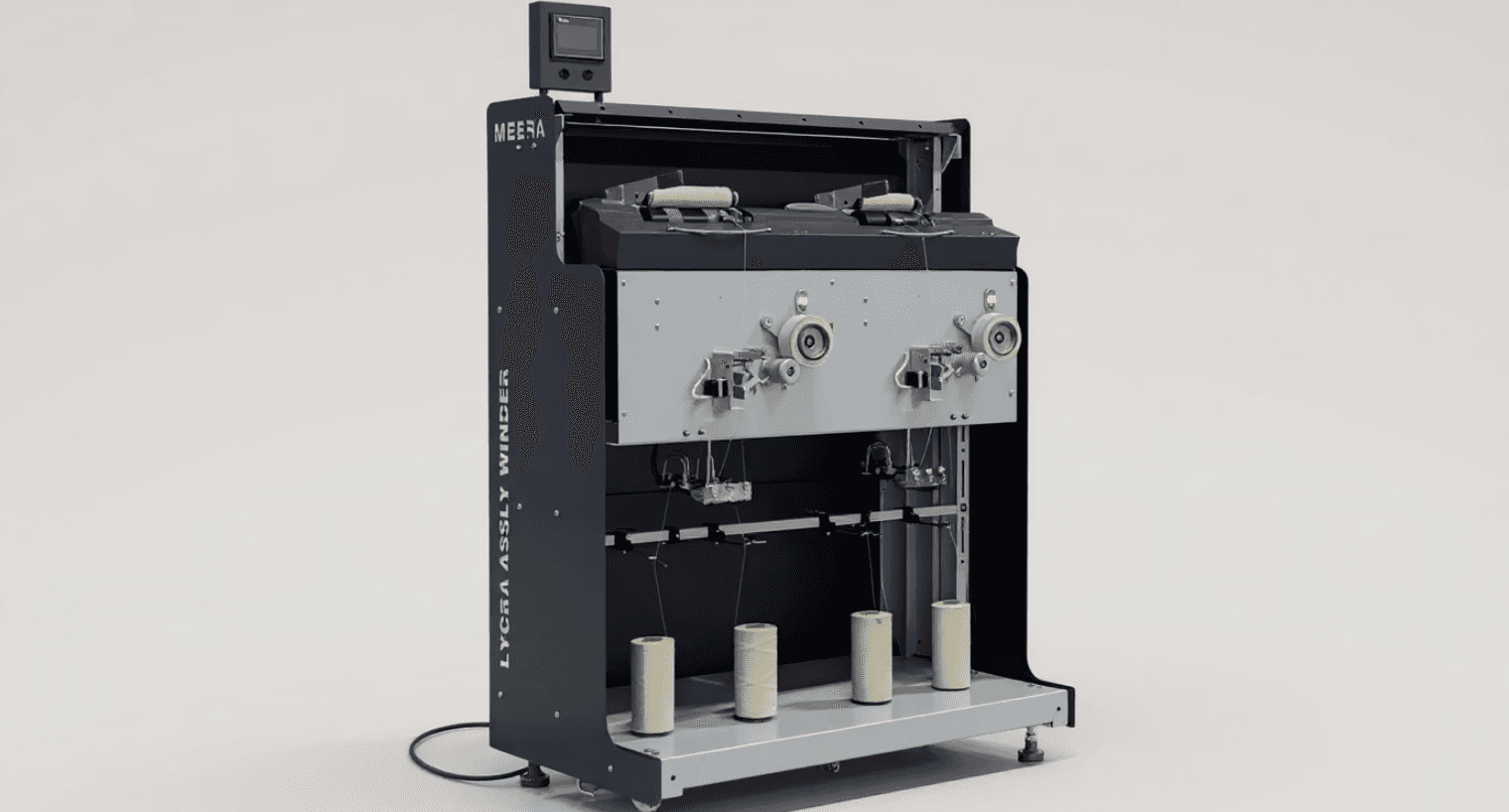
As production speeds increase and yarn counts diversify, yarn faults in winding tend to show up in different ways across your lines. Here, you’ll see the most common winding-related defects and how they appear on real packages and fabrics. Finally, you'll learn about practical changes in settings, maintenance, and machinery selection that can help keep them under control.
1. Thick and Thin Places
These are short sections where the yarn suddenly becomes significantly thicker or thinner than usual, despite the yarn count remaining the same. They are often among the first defects you notice.
Fault type | Change vs normal yarn | Typical length |
Thick place | +30% to +100% | 4–25 mm |
Thin place | −30% to −60% | 4–25 mm |
Why it matters
Creates a barre in fabric (visible light–dark bands or streaks that look like uneven dyeing).
Causes tension peaks and end breaks on high-speed winders and Two For One (TFO) twisting lines.
Typical causes
Eccentric rollers (not perfectly round top or bottom rollers in drafting).
Low or uneven top arm pressure (the force pressing the top roller onto the bottom roller).
Old aprons or wrong apron spacing (the gap between the top and bottom aprons that grip and guide fibers).
Poor gear meshing in drafting drives (gear teeth not engaging smoothly).
Cotton mixes with fibers of very different lengths or many immature fibers.
Remedies
Replace eccentric and worn rollers; keep them well polished.
Follow a strict schedule for checking top arm pressure.
Use the correct spacers to ensure apron spacing remains within the recommended range.
Avoid raw material mixes with extreme variations in fiber length.
Improve fiber opening and carding (cleaning and parallelizing fibers) to reduce mass variation before the yarn reaches the bobbin winding machine.
Role of modern precision winding
It offers mechanical winding speeds of up to 800 m/min with precision control, ensuring that speed increases do not amplify variations in thickness.
Up to 32 mechanical crossing ratios help you tune the package build for optimal tension stability. This reduces the visibility of thick and thin places during unwinding.
2. Neps
Neps are tiny, tight balls of entangled fibers that sit inside or on the surface of the yarn. They appear as small white or colored specks when viewed against a dark background.
Why it matters
Creates a specky, grainy fabric surface instead of a clean, smooth one.
Causes shade variation (light and dark patches) in dyed fabric because neps take up dye differently from the rest of the yarn.
Main causes
Buildup of fly and fluff (loose fibers floating in the air) on machine parts.
Poor carding (the process that opens, cleans, and aligns fibers before spinning).
Defective drafting at the ring frame, where fibers are stretched to final fineness, and bad piecing (improper yarn joining after a break).
Ineffective top roller clearers (small devices that clean the top drafting rollers).
Remedies
Clean all machine surfaces regularly, especially around drafting zones, guides, and creels.
Check card settings and card wire condition regularly.
Maintain correct drafting settings and piecing standards.
Maintain and replace roller clearers to ensure they effectively remove fiber wraps from the top rollers.
3. Slubs
Slubs are short, abnormally thick lumps in the yarn, usually with less twist in that small area. To the eye, they look like tiny “blobs” that don’t match the rest of the yarn body.
Why it matters
Increases end breaks in winding, cabling, and Two For One Twisting.
Produces cloudy, spotty areas in fabric and uneven dye take-up.
Typical causes
Fly and fluff accumulation near drafting and spinning zones.
Poor carding and trash removal.
Defective ring frame drafting and bad piecing.
Worn or poorly set top roller clearers.
Remedies
Clean all machine surfaces regularly, especially those near drafting, ring frames, and the bobbin winding machine, to prevent fiber buildup.
Optimize drafting settings and train operators to make compact, smooth piecings.
Replace damaged gears and rollers that cause drafting shocks.
Keep top roller clearers in good condition.
Role of modern precision winding
With excellent package quality and a max package diameter of up to 250 mm, our precision winding technology builds firm, uniform cones. Hence, slubs are less likely to cause tension spikes or package deformation on machines such as cone-to-cone winders or assembly winders.
If slubs continue to appear on your bobbin winding machine or cone-to-cone winder, it's costing you time and yarn. Connect with Meera Industries to align the right precision winding and twisting solution with your current yarn mix.
4. Snarls
Snarls are sections where the yarn twists back onto itself, forming kinks or small loops.
Why it matters
Ends wrap around neighboring yarns and cause frequent breaks on winders and Ring Twister Machines.
Leads to a rough fabric appearance and an uneven handle.
It can create uneven dyeing when snarled zones absorb color differently.
Main causes
Higher than required twist for that yarn count, fiber type, or application.
Many long, thin places in the yarn, which store twist unevenly.
Remedies
Set the twist to the optimum level for each count and blend, rather than using a single “standard” twist.
Improve drafting to reduce thin places so the twist is distributed more evenly.
Condition the yarn before winding: maintain the fiber's recommended temperature and relative humidity range.
Use proper tension weights and set the slub catchers correctly on winders for smooth operation.
How modern precision winding can contribute
Centrally or individually adjustable tape tension allows you to fine-tune yarn tension per spindle or section. That, in turn, reduces snarl formation and improves unwinding performance on TFO and cabler machines.
5. Crackers
Crackers are short, crimped, or spring-like sections in the yarn that straighten out and almost disappear when you pull the yarn with enough tension.
Why it matters
Increase breaks during winding and twisting.
Very noticeable in polyester–cotton blends used in shirts and workwear.
Key causes
Mixing cottons with very different staple lengths (a big gap between the shortest and longest fibers).
Roller settings are too close, which over-compress and damage fibers in drafting.
Eccentric rollers.
Non-optimum temperature and relative humidity in the spinning area.
Over-spinning cotton (too much twist for the fiber and count).
Remedies
Use optimized roller settings and top roller pressure.
Use more controlled fiber mixing and avoid blends with extreme variations in staple length.
Replace eccentric rollers.
Maintain recommended climate conditions for the fiber blend.
6. Slough Off
Slough-off happens when loops of yarn suddenly slide off the package together, creating a thick lump in the weft yarn on the loom.
Why it matters
Causes loom stoppages and frequent weft breaks.
Increases waste and rework in winding and weaving.
Typical causes
Improper package characteristics (wrong shape, density, or hardness).
Very soft pirns (small weft packages) that cannot hold coils firmly.
Harsh picking (forceful shuttle movement) or poor shuttle checking (improper shuttle stopping) on conventional looms.
Poor humidity during pirn storage, making the yarn too dry and lively.
Remedies
Correct ring rail movement (up–down travel of the ring rail) and maintain an optimum chase length (vertical build height) to ensure the package builds evenly.
Maintain the correct ratio of winding coils to binding coils (locking coils) to securely hold the package in place.
Use package parameters tailored to yarn count and loom type, rather than a one-size-fits-all setting.
Condition the weft packages before use.
Where modern precision winding shines
It supports 6", 8", and 10" winding traverse with maximum traverse length from 150 to 250 mm, so you can tailor package geometry for weft yarns and reduce slough-off.
7. Yarn Tangling or Knotting
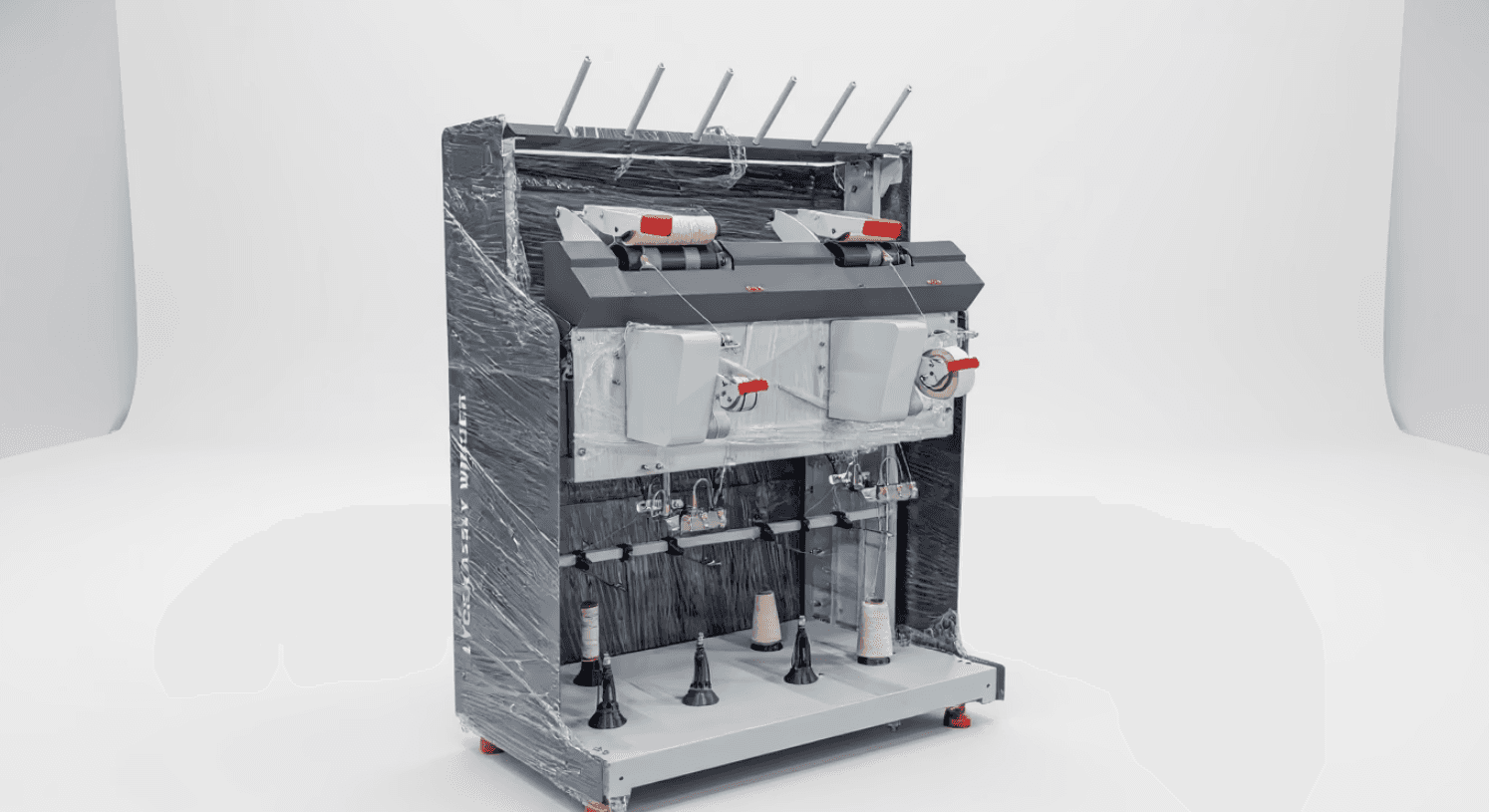
Yarn tangling or knotting occurs when the yarn crosses over itself or nearby threads, forming loops or tight knots during the winding process.
Why it matters
Causes frequent end breaks and clearer cuts on the winder.
Can collapse packages, leading to rewinding and waste.
Key causes
Misaligned or poorly designed yarn guides.
Rough or damaged guide surfaces that catch or snag the yarn.
Tension fluctuations (sudden tight–loose changes) during winding, warping, or weaving.
Twist levels not suited to the yarn.
Remedies
Check and align the yarn guides and separators along the full yarn path from the creel to the package.
Replace or repair any yarn guides and drums that have rough or damaged surfaces (cuts, grooves, sharp edges).
Set and monitor tensioning devices (disc or drum tensioners) to ensure tension remains steady, not jerky.
Use yarns with an appropriate twist for the application.
8. Wild Yarn
Wild yarn behaves in an uncontrolled way during winding or unwinding. It may jump off the package, form loose loops, or refuse to stay on a smooth path.
Why it matters
Complex to handle in winding, warping (beam preparation), and weaving (fabric formation).
More end breaks and quality claims.
Typical causes
Inadequate or unstable tension.
Poorly positioned yarn guides or unstable yarn paths.
Weak gripping or holding of yarn during processing.
Yarns with low twist (not enough turns per meter) or very smooth surfaces, which have low fiber cohesion.
Remedies
Set correct tension levels across all yarn processing machines.
Adjust yarn guides so the path is as straight and short as possible, without sharp angles.
Inspect and maintain tensioners and clamps so they hold yarn securely without crushing it.
Select suitable twist levels for the yarn and intended end use.
How modern precision winding technology reduces wild yarn behavior
Adjustable tape tension per section helps you maintain consistent control over yarn. This minimizes wild yarn loops that trigger stops on TFO, cabler, and covering machines.
Also Read: 5 Ways to Improve Yarn Quality with the Right Machinery Setup
Before adjusting every setting in isolation, it is helpful to view winding, twisting, and heat settings as a single, interconnected system. This is where a partner like Meera Industries can add real value.
How Meera Industries Can Help You Reduce Yarn Faults in Winding
When you want to control yarn faults in winding, the quality of your winding and twisting systems matters as much as your spinning. Thick and thin places, slubs, snarls, and wild yarn all get amplified when packages are built at higher speeds without proper control.
Meera Industries positions itself as a solution partner for this exact challenge. With deep expertise in yarn twisting, winding, and heat setting, we help mills move from reactive fault correction to stable, predictable production.
Here’s why you should choose Meera Industries to tackle yarn faults in winding:
Experts in winding and twisting control: Precision winding works in sync with Cotton TFO Machines, Spun Yarn Twisters, Staple Fiber Twisters, Heavy Ring Twisters, Double Twist Machines, and cable twisting machine setups. This helps you cut slubs, snarls, wild yarn, and other defects before they reach the fabric.
Internationally proven performance: Machines operate in over 25 countries, including Germany, Belgium, Turkey, the USA, and Bangladesh. You get technology built for manufacturers that meet stringent fault limits and strict export quality standards.
Higher productivity with fewer winding defects: High-speed, tension-controlled winding on an automatic bobbin winder, or cone-to-cone assembly winder machine lets you run faster with fewer clear cuts and end breaks. That means less rewinding and more consistent packages.
Versatile and scalable for many yarn types: From polyester and polypropylene to raffia, carpet yarns, embroidery threads, and technical yarns, our equipment's fiber range is extensive. They support both current needs and future expansions.
If you are facing frequent breaks, unstable packages, or quality claims linked to yarn faults in winding, it may be time to upgrade your winding and twisting section. Reach out to Meera Industries to select the optimal combination of winding, TFO, and cabling solutions tailored to your specific plant requirements.
Frequently Asked Questions
Q: How often should we check for yarn faults in winding?
Do a quick visual check on each package every hour and review clearer or break data once per shift. This helps you catch problems early on an automatic bobbin winder or cone-to-cone winder.
Q: How can our operators reduce faults without new machines?
Keep guides and drums clean, follow oiling schedules, avoid fanning fluff, record breaks by position, and standardize basic settings, such as stop–start procedures, across all winders.
Q: When should we consider a precision winder like CWX?
If you run at higher speeds and still see many breaks or quality complaints, your winding section is under stress. In that case, a precision winder with controlled tension and a better package build is worth considering.
Q: Do winding settings change with yarn type?
Yes. Carpet yarns, technical yarns, and sewing threads need different speeds, tensions, and package densities. Constantly adjust settings when you switch between, say, a Technical Yarn Twister yarn and a delicate embroidery or Lycra covering Machine yarn.
Q: What should we look at beyond the yarn twisting machine price when investing?
Check how well the winding system prepares packages, energy use, available speeds, and support in your region. Also, verify how smoothly it works with your existing TFO, thread twisting machine, and heat setting lines.